CONTACT
Treasury Homes
Toby Lim
Address
6849 Old Dominion Dr Ste 400
Mclean VA 22101
Mclean VA 22101
18,915 people live in Oakton, where the median age is 43.3 and the average individual income is $108,564. Data provided by the U.S. Census Bureau.
Total Population
Median Age
Population Density
Average individual Income
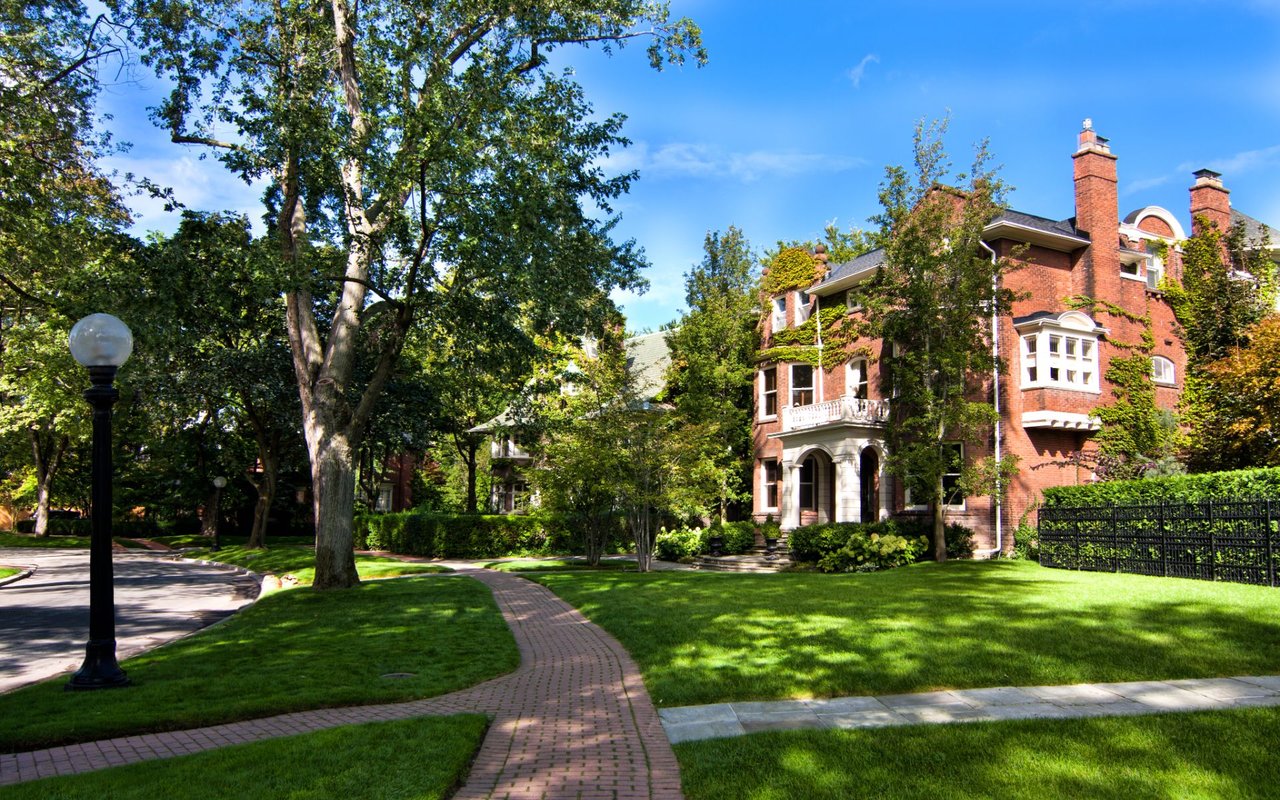
Roughly 16 miles west of Washington, D.C., Oakton sits in the wooded heart of Fairfax County as a Census-Designated Place spanning nearly 10 square miles. It is unincorporated, upscale, and defined by rolling hills, winding roads, and a mature tree canopy that gives the whole community a quiet, sheltered feel. While neighboring areas leaned into dense redevelopment, Oakton kept its classic suburban pacing — neighborhoods here were carved out of the woods rather than built on top of them.
That character draws a fairly specific buyer. Space-seeking families come for the large lots, low-traffic cul-de-sacs, and access to top-rated Fairfax County schools. D.C. and Tysons commuters come because they can completely unplug at home while still keeping a straightforward drive to work via I-66, Route 123, or the nearby Vienna Metro. And privacy-minded buyers come because lot-to-lot separation like this is increasingly rare inside the Capital Beltway. In short, Oakton appeals to people who want estate-style breathing room without surrendering proximity to the region's biggest employment hubs.
If you browse listings in this pocket of Fairfax County, you'll hit a confusing quirk fast: a home labeled "Vienna, VA 22181" may actually sit miles outside the town limits, deep in what locals call Oakton. Because Oakton is unincorporated and has no post office of its own, large parts of it share zip codes (mainly 22181 and 22180) and mailing addresses with the Town of Vienna. The address says Vienna; the experience is Oakton. Knowing the difference matters before you buy or price a home.
The two diverge in four meaningful ways:
| Town of Vienna | Oakton (CDP) | |
|---|---|---|
| Government & taxes | Incorporated town; pays Fairfax County tax plus a separate town tax in exchange for hyper-local services | Unincorporated; governed and serviced entirely by Fairfax County, county taxes only |
| Layout & walkability | Grid-like neighborhoods around a walkable Maple Avenue / Church Street core | Decentralized and car-oriented; commerce limited to a few strip centers |
| Housing & lots | Heavy teardown-and-rebuild activity on tight quarter-acre (or smaller) lots | Larger lots, more variety — colonials, split-levels, and multi-acre estates buffered by trees |
| Transit | Tighter, sometimes walkable proximity to the Vienna Metro | Metro still close, but residents lean on I-66 and Route 123 |
The simplest way to frame it for a buyer: choose Vienna if you want a tight-knit, walkable small-town vibe with a busy community calendar. Choose Oakton if your priorities are peace, privacy, bigger yards, and a slightly lower price-per-square-foot baseline — while still keeping Vienna's restaurants and shops minutes away.
Oakton is a high-demand market and a notably segmented one. Because it holds everything from commuter condos to multi-million-dollar custom estates, the monthly numbers swing depending on what mix of property actually closes. Median sale prices have been running roughly between $793,000 and $1,120,000, and well-priced homes move fast — premium listings routinely go under contract in 6 to 25 days, with sale-to-list ratios hovering around 100% to 101.5%.
But there's a real nuance sellers need to hear. Roughly 30% of listings have had to take a price cut before finding a buyer. That signals a gap between ambitious initial asking prices and what today's buyers will actually pay — even as the cost-per-square-foot baseline holds steady or edges up. The takeaway is that this is a market of strategic positioning, not market-testing. Buyers will pay a premium for quality, privacy, and condition, but they walk away quickly from anything that feels overpriced out of the gate. A realistic, data-backed launch price is what triggers the multiple-offer scenarios; overpricing leads to stagnation and the price drops that quietly erode your leverage.
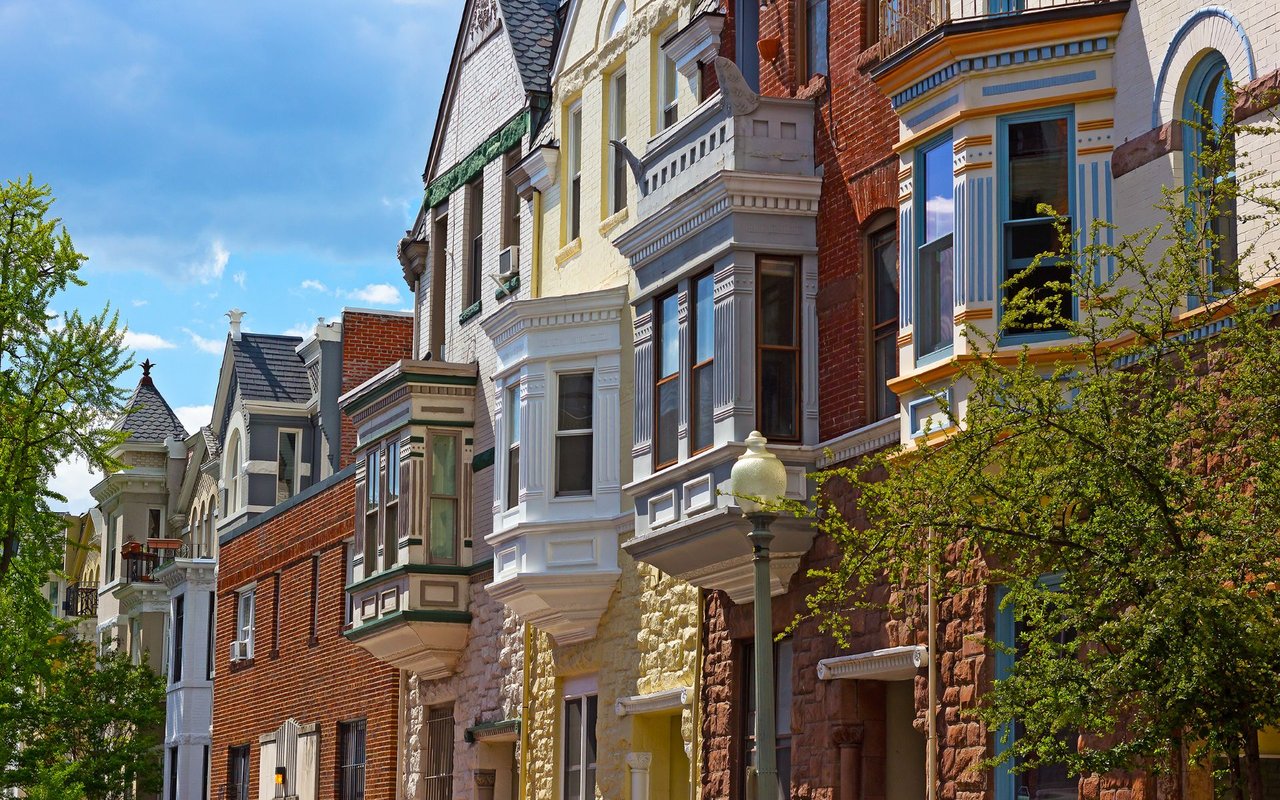
Oakton's housing stock is a genuine architectural tapestry, built out in phases from the 1970s onward, so streets here don't have the cookie-cutter sameness of newer planned communities. The market sorts into three broad tiers.
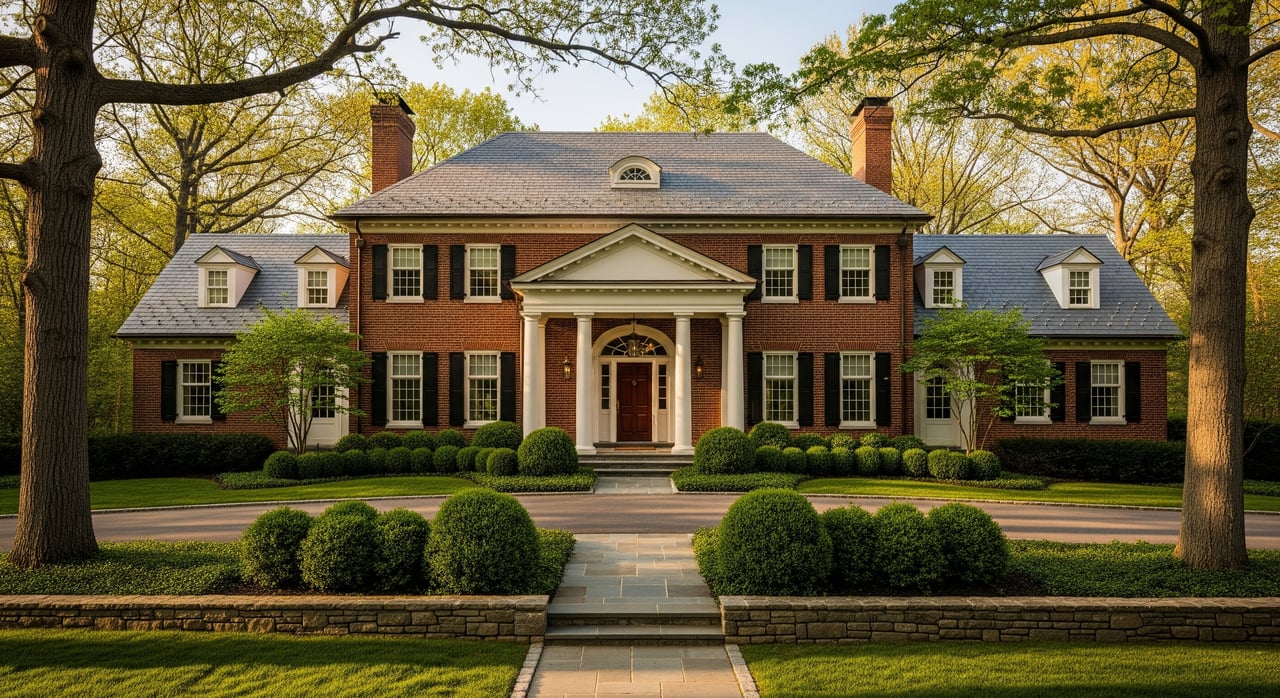
At the top are the luxury estates and acreage properties, generally $1.8M to $4M+. These are Oakton's crown jewels, found along scenic arteries like Vale Road, Hunter Mill Road, and Fox Vale, many sitting on 1- to 5-acre lots behind dense wood buffers. Expect custom Craftsman builds, modern transitionals, and expansive Georgian colonials — often with long private drives, pools, and detached multi-car garages.
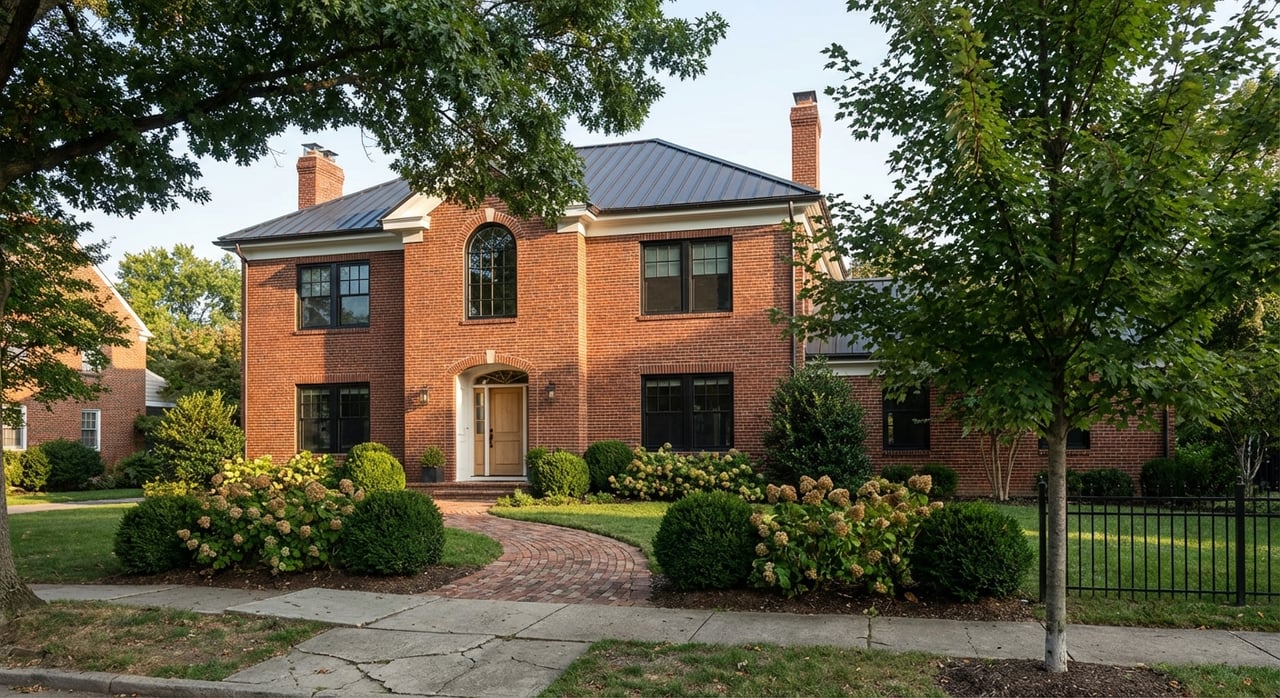
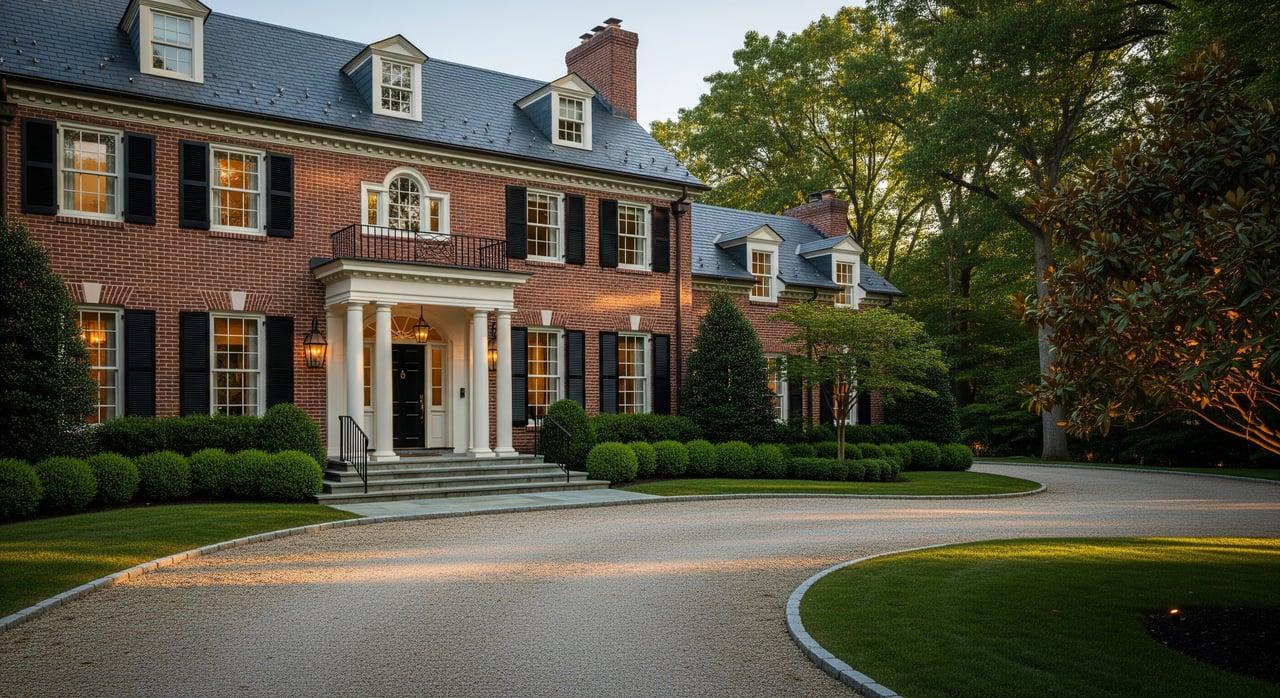
The middle and largest tier is the standard single-family neighborhoods, roughly $950K to $1.6M+. Built mostly from the late 1970s through the 1990s in communities like Waples Mill, Oakton Woods, and Difficult Run, these are brick-front center-hall colonials, split-levels, and contemporaries on quarter-acre to full-acre lots. Families prize them for wide streets, minimal cut-through traffic, mature trees, and proximity to neighborhood swim and tennis clubs.
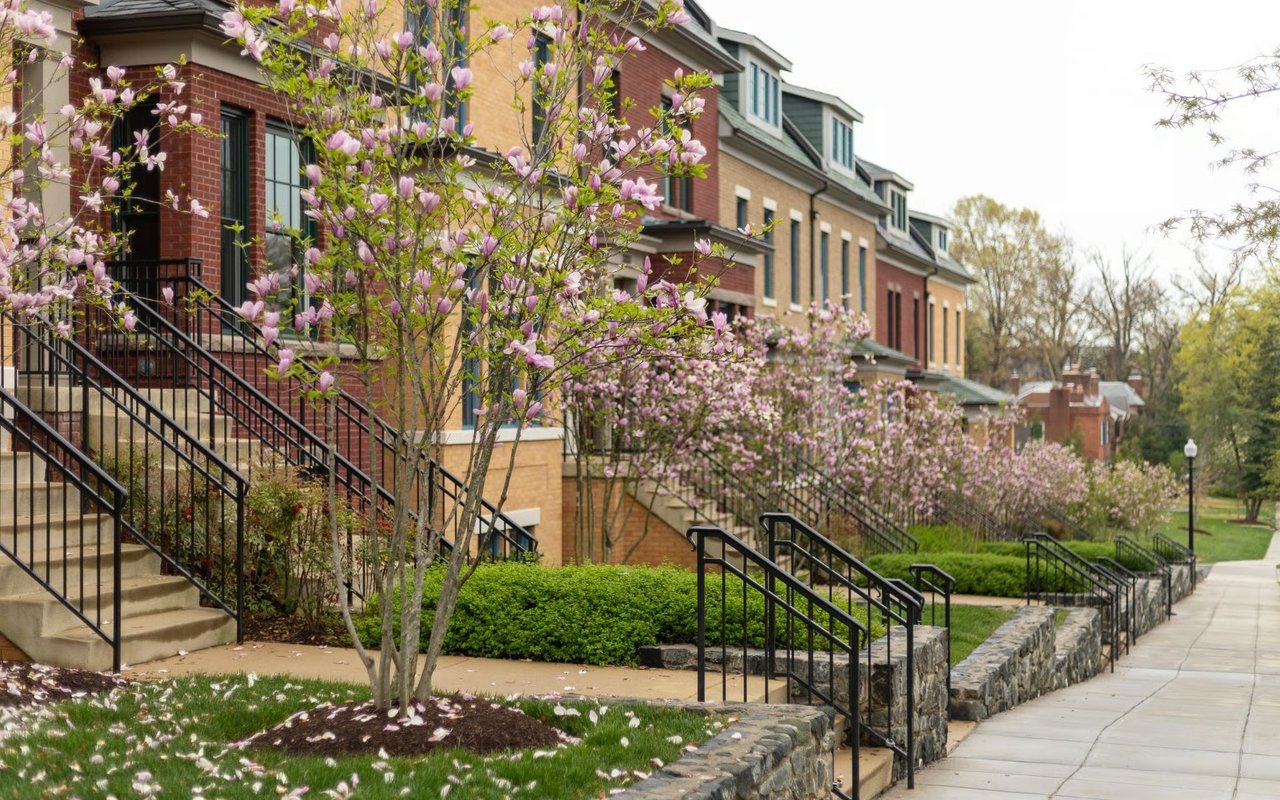
The entry tier is townhomes and commuter condominiums, from about $400K for condos to $850K+ for luxury townhomes. Clustered along the Route 123 corridor near the Vienna Metro — communities like The Vistas, Treebrooke, and Four Winds at Oakton — this segment moves incredibly fast because it pairs Oakton's school pyramids with a lock-and-go lifestyle.
This is the single thing that most clearly separates Oakton from McLean and Vienna. Those neighbors offer real prestige and quick D.C. access, but they come with a spatial trade-off: high-density development on shrinking, cleared lots. Oakton is the antithesis. Its defining quality is a semi-rural, woodsy character — rolling topography, winding scenic roads, and a tree canopy that buffers homes from one another. Because much of Oakton was built around the natural landscape rather than clearing it, the privacy here feels organic rather than engineered.
That spacing translates directly into buyer demand. A $2M new build inside Vienna's town limits might look straight into a neighbor's kitchen window; a comparable investment in Oakton frequently buys an acre or more wrapped in a private curtain of oak and hickory. Pockets of the community are zoned for lower density, which protects the country-lane feel of roads like Vale, Fox Mill, and Hunter Mill from overdevelopment. The result is a genuine best-of-both-worlds shift: you can spend the day in the glass-and-steel landscape of Tysons or downtown D.C. and, 20 minutes later, pull into a driveway where the loudest sound is wind through the trees — without the punishing commute that comes with chasing that same privacy out in Loudoun or Prince William.
Oakton's real estate landscape only makes sense once you look past the generic zip codes and into its specific subdivisions, each with its own reputation and feel.
Waples Mill (and Waples Mill Estates) is the picture-perfect image of Oakton luxury. Built mainly in the late 1980s and '90s, it features grand brick-front center-hall colonials and sweeping contemporaries set back from wide, quiet streets, with park-like half-acre to full-acre yards. It's a perennial favorite among families and shows strong market resilience thanks to its top-tier school tracks.
The Hunter Mill Corridor (Difficult Run / Oakton Mill Estates) is heavily wooded, private, and deeply tied to nature. Expect custom contemporaries and hidden estate homes bordering the Difficult Run stream valley, with instant access to wooded trail networks and equestrian pathways. Living here feels like a mountain retreat that happens to sit minutes from both the Dulles Toll Road and I-66.
The Fox Mill area (Manors of Fox Mill / Fox Vale) — not to be confused with the denser Fox Mill Estates out toward Herndon — is the epicenter for buyers chasing 1- to 5-acre lots. Massive executive estates, custom Craftsman builds, and Georgian layouts here regularly feature pools, detached garages, and gated entries. This is the pinnacle of Oakton's semi-rural executive lifestyle.
Treebrooke and the Flint Hill communities strike the convenience balance. A mix of established split-levels, single-family homes on quarter-acre lots, and premium townhomes near the Route 123 corridor, these neighborhoods offer active swim/tennis clubs (like the Oakton Swim and Racquet Club) while keeping residents within striking distance of the Vienna Metro and the Oakton Shopping Center.
For a large share of buyers, the decision to move to Oakton is a decision about schools. In Northern Virginia, home values and school boundaries are tightly intertwined, and Oakton sits within some of the most coveted pipelines in Fairfax County Public Schools.
Oakton High School, on Blake Lane, is consistently ranked among the top high schools in Virginia, known for academic rigor, a deep Advanced Placement curriculum, robust STEM programs, and a high graduation rate that sends a large share of each class to top-tier universities. The foundation starts early through middle schools like Franklin and Luther Jackson, and elementary feeders including Waples Mill, Oakton, and Flint Hill. Homes zoned for Waples Mill Elementary, in particular, routinely command a real estate premium tied to the school's ratings and parental involvement.
Oakton is also home to Flint Hill School, one of the premier independent co-ed day schools in the D.C. metro. Spread across two campuses — the Lower/Middle School on Jermantown Road and the Upper School on Oakton Road — Flint Hill drives meaningful housing demand from families who want an elite JK-12 option right in their backyard.
Oakton feels like a private retreat, but geographically it sits at the center of Northern Virginia's main transit arteries — which is exactly why it works for professionals splitting time between regional hubs.
The Vienna/Fairfax-GMU Metro station, the western terminus of the Orange Line, sits right on Oakton's southern border near I-66 and Nutley Street. Many residents are a 5-to-10-minute drive from the garages, and from there it's a single-seat ride into Arlington (Ballston, Clarendon, Rosslyn) and downtown D.C. (Foggy Bottom, Metro Center).
For drivers, three major roadways frame the community. I-66 runs along Oakton's southern edge, offering direct access east to the Beltway and D.C. and west toward Centreville and the Blue Ridge, with Express Lanes for more predictable (tolled) rush-hour timing. Route 123 (Chain Bridge Road) cuts straight through the center of Oakton and runs north into the heart of Vienna and on into Tysons — meaning residents reach the region's premier shopping, dining, and corporate offices without ever touching a highway. And the Dulles Toll Road (Route 267), accessible just north via Hunter Mill Road, provides a fast route to Dulles International Airport and east into the Reston and Herndon tech corridors. The net effect is rare for Fairfax County: the low-density feel of a far-flung suburb paired with the transit convenience of an inside-the-Beltway neighborhood.
Because Oakton deliberately avoids the concrete density of its neighbors, daily life here is built around recreation and the outdoors, with the nearby Vienna corridor filling in for nightlife and boutique shopping.
The community's fitness anchor is the Oakmont RECenter (formerly Oak Marr) off Jermantown Road — a major Fairfax County facility with a heated Olympic-sized indoor pool and diving complex, a two-story fitness center, indoor courts, and lighted turf fields. Adjoining it, the Oakmont Golf Complex is one of the region's premier teaching facilities, with a 9-hole par-3 course and a lighted 78-station driving range that includes heated bays for year-round practice.
For the outdoors, the Gerry Connolly Cross County Trail threads through Oakton's stream valleys, giving locals miles of shaded running and hiking through the Difficult Run Stream Valley that connect all the way north toward Great Falls. Nottoway Park, on the eastern border, is a sprawling community hub with tennis and basketball courts, ball fields, a fitness trail, the historic Hunter House, and the beloved summer "Nottoway Nights" free concert series. Cyclists can also pick up the 45-mile W&OD Trail via access points along Hunter Mill Road.
Day-to-day errands center on the Oakton Shopping Center off Chain Bridge Road — anchored by a Giant Food, with local eateries, wine shops, and the long-standing Oakton Wine Shop & Bistro. For a night out, residents simply drive 5 to 10 minutes into the Town of Vienna's Maple Avenue corridor for upscale dining, coffee shops, and local breweries, then retreat back into the quiet of their wooded streets. That arrangement is the quiet luxury of Oakton: borrow Vienna's energy when you want it, leave it behind when you don't.
If you own here, you hold a genuinely valuable asset — and understanding why buyers target this zip code is how you create competitive tension when you sell.
Three forces drive that demand. First is a finite monopoly on space. Inside the Beltway and along the Silver Line, land has been aggressively carved up, and buyers are increasingly fatigued by "luxury" new builds packed in so tightly they can hear the neighbors. Oakton's lower-density zoning protects usable, private land — and buyers pay a premium for the mature tree buffers and room for pools, garages, and outdoor living. Second is built-in relocation demand through schools: high-earning corporate, military, and government families relocating to D.C. must buy inside specific boundary lines before the school year, and the Oakton High pyramid plus Flint Hill keep a steady stream of motivated, well-capitalized buyers in the market. Third is the "unplugged" executive pitch — the strongest search intent for Oakton centers on its rare identity as a true retreat that doesn't sacrifice the commute. Sellers who pair a home's privacy with its quick access to the Vienna Metro, I-66, and Route 123 consistently command the cleanest offers and the strongest cost-per-square-foot numbers in the county.
Because Oakton is so segmented — a luxury townhome near the Metro can sit minutes from a multi-million-dollar private estate — automated online valuation tools are notoriously unreliable here. Standard algorithms struggle with exactly the things that drive Oakton value: the premium buyers place on large lots, the worth of a mature tree buffer, and the boundaries of a specific school feeder zone.
A true read on your equity requires hyper-local variables those models miss — the current premium for usable yard space and privacy, your exact elementary feeder zone (the Waples Mill Elementary track, for instance, carries a historical premium), and recent neighborhood-specific comps, including homes that sold off-market or under intense competition.
Curious what your property is actually worth in today's market? A custom, data-backed valuation tailored to Oakton's specific neighborhood dynamics will tell you far more than any instant estimate. Reach out to the Treasury Homes team for a comprehensive home valuation report.
The local market is layered right now: well-positioned homes still move in 6 to 25 days, but buyers have grown strategic, and roughly 30% of listings take a price cut before selling. The cost-per-square-foot baseline remains resilient — buyers will pay top dollar for space, privacy, and condition — but they step back fast from anything that feels overpriced. Winning here means tailoring the strategy to your specific property type.
For luxury estates and large-lot properties, traditional per-square-foot pricing fails to capture land value, so the move is to market the home as a private sanctuary. Highlight private sightlines, the density of the tree canopy, and potential for pools and outdoor entertaining — and use professional drone videography to literally map the property lines and show buyers how insulated they are.
For standard single-family neighborhoods like Waples Mill or Oakton Woods, buyers are highly informed and track days on market closely. Position the home as a turn-key family anchor, prioritize high-impact staging and condition before listing, and launch at a realistic, data-backed price. Correct initial pricing triggers multiple offers; overpricing leads to stagnation and the price drops that strip away negotiating leverage.
For townhomes and commuter condos, which compete directly with modern developments in Tysons and Reston, lean into the lifestyle and transit narrative. Emphasize exact proximity to the Vienna Metro and highway access, the easy reach of Vienna's dining corridor, and the low-maintenance predictability of the community — all paired with Oakton's elite public school track.
Oakton rewards local knowledge — knowing which side of a zip-code line a home actually sits on, which streets carry a school premium, and how to price an acre of tree buffer that an algorithm can't see. That's where Treasury Homes comes in. The team specializes in Oakton and the wider DMV — Arlington, McLean, Fairfax, Capitol Hill, Dupont Circle, and Georgetown — across single-family homes, luxury estates, condos, and townhomes, pairing a consultative approach with marketing built to create real competitive tension. Whether you're weighing a move, preparing an estate property for a custom marketing plan, or just trying to time your listing before the peak school-relocation season, they're a straightforward resource to start with.
Reach out to Toby Lim at (703) 479-9479 or [email protected], or Jessica Bauer at (707) 344-0408 or [email protected]. The office is at 6849 Old Dominion Dr, Ste 400, McLean, VA 22101 — and a free, no-pressure home valuation or consultation is the easiest first step.
There's plenty to do around Oakton, including shopping, dining, nightlife, parks, and more. Data provided by Walk Score and Yelp.
Explore popular things to do in the area, including Le Papiyon Chocolatier, Black Sesame, and Dolcemente Pastries.
| Name | Category | Distance | Reviews |
Ratings by
Yelp
|
|---|---|---|---|---|
| Dining · $$$$ | 3.36 miles | 12 reviews | 5/5 stars | |
| Dining | 2.4 miles | 41 reviews | 5/5 stars | |
| Dining | 0.23 miles | 11 reviews | 5/5 stars | |
| Dining | 3.47 miles | 12 reviews | 5/5 stars | |
| Shopping | 3.35 miles | 12 reviews | 5/5 stars | |
| Active | 3.93 miles | 7 reviews | 5/5 stars | |
| Beauty | 3.32 miles | 10 reviews | 5/5 stars | |
| Beauty | 3.38 miles | 15 reviews | 5/5 stars | |
| Beauty | 3.13 miles | 13 reviews | 5/5 stars | |
| Beauty | 4.31 miles | 9 reviews | 5/5 stars | |
| Beauty | 3.43 miles | 14 reviews | 5/5 stars | |
| Beauty | 2.63 miles | 23 reviews | 5/5 stars | |
|
|
||||
|
|
||||
|
|
||||
|
|
||||
|
|
||||
|
|
Oakton has 6,881 households, with an average household size of 2.75. Data provided by the U.S. Census Bureau. Here’s what the people living in Oakton do for work — and how long it takes them to get there. Data provided by the U.S. Census Bureau. 18,915 people call Oakton home. The population density is 1,831.61 and the largest age group is Data provided by the U.S. Census Bureau.
Total Population
Population Density Population Density This is the number of people per square mile in a neighborhood.
Median Age
Men vs Women
Population by Age Group
0-9 Years
10-17 Years
18-24 Years
25-64 Years
65-74 Years
75+ Years
Education Level
Total Households
Average Household Size
Average individual Income
Households with Children
With Children:
Without Children:
Blue vs White Collar Workers
Blue Collar:
White Collar: