CONTACT
Treasury Homes
Toby Lim
Address
6849 Old Dominion Dr Ste 400
Mclean VA 22101
Mclean VA 22101
235,463 people live in Arlington, where the median age is 35.5 and the average individual income is $88,024. Data provided by the U.S. Census Bureau.
Total Population
Median Age
Population Density
Average individual Income
Arlington, Virginia occupies a rare position in American real estate: it is simultaneously one of the most strategically located, historically significant, and actively evolving communities in the country. At just 26 square miles, it is the smallest self-governing county in the United States — yet it functions with the ambition and infrastructure of a major city. That contrast is precisely what makes it so compelling.
The character here is defined by intensity and intention. Residents tend to be highly educated, professionally driven, and deeply engaged with their surroundings. You will find federal employees, tech workers from Amazon's HQ2, policy professionals commuting into D.C., and a growing contingent of remote workers who chose Arlington specifically because it offers world-class access without the density or cost of the District itself. The social fabric is international and diverse, particularly along Columbia Pike, which remains one of the most culturally rich corridors in the entire D.C. metro.
The lifestyle Arlington offers is difficult to replicate elsewhere. On any given Saturday morning, residents are cycling the 18-mile Mount Vernon Trail along the Potomac, picking up produce at a Whole Foods or MOM's Organic Market within walking distance of home, or grabbing Balkan small plates at Ambar in Clarendon before catching a show at the Tony Award-winning Signature Theatre in Shirlington. This is a community where urban convenience and outdoor recreation coexist without compromise.
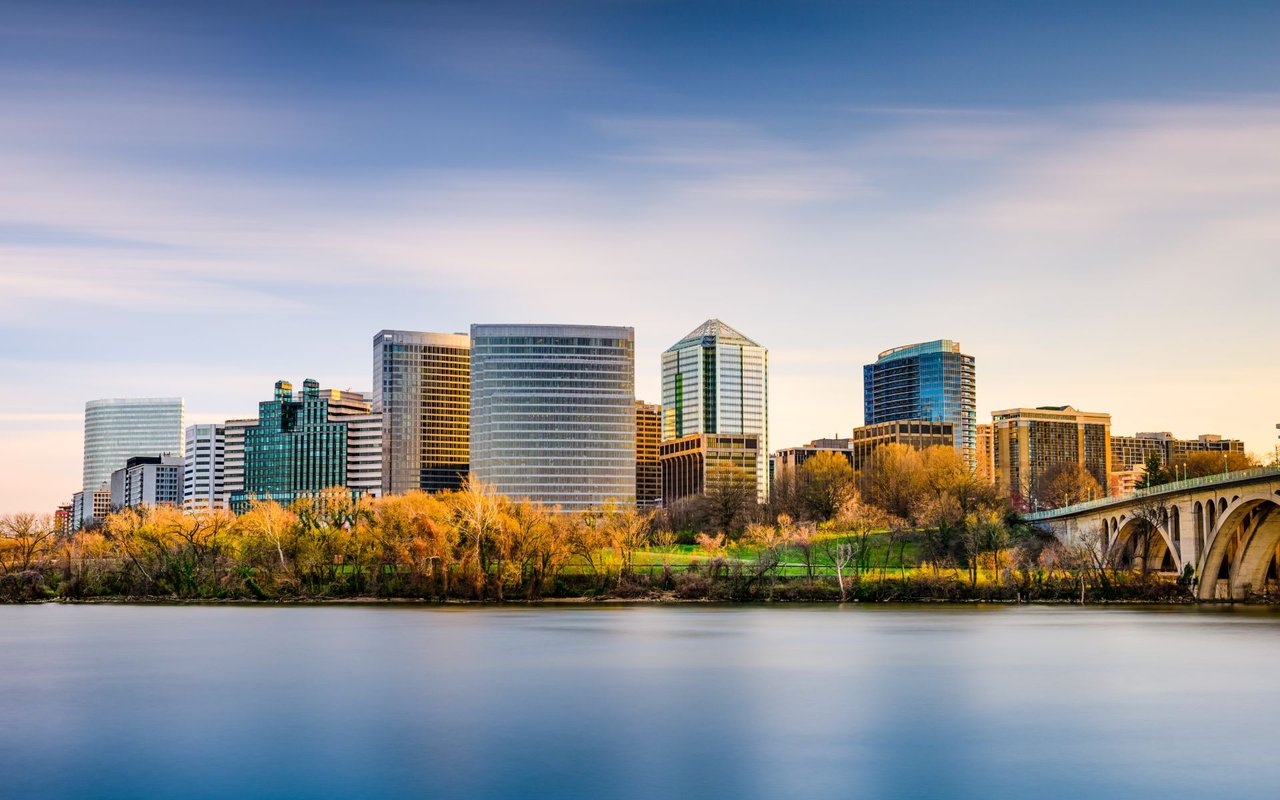
What makes Arlington particularly appealing in 2026 is its momentum. Significant development — from Amazon's National Landing campus to adaptive office-to-residential conversions along the Rosslyn-Ballston corridor — is reshaping the county's skyline while its quieter residential streets remain largely intact. For buyers and sellers alike, understanding Arlington means understanding its layers: the glass towers near Metro stations, the 1920s bungalows just blocks away, and everything in between.
Arlington's identity was shaped, above all else, by its proximity to power. It began as part of the original 10-mile square surveyed for the District of Columbia in 1791, making it a literal extension of the nation's capital. That relationship proved complicated. Residents, feeling underrepresented in Congress and deeply opposed to any restrictions on the slave trade, successfully petitioned to leave the District. In 1846, the land was retroceded to Virginia and renamed Alexandria County.
Its next defining moment came with the Civil War. Union forces occupied the area almost immediately after hostilities began, recognizing its strategic position on the western bank of the Potomac. The most consequential act of that occupation was the seizure of Robert E. Lee's estate, Arlington House — a property that would eventually become Arlington National Cemetery, permanently anchoring the county's identity to the nation's military history.
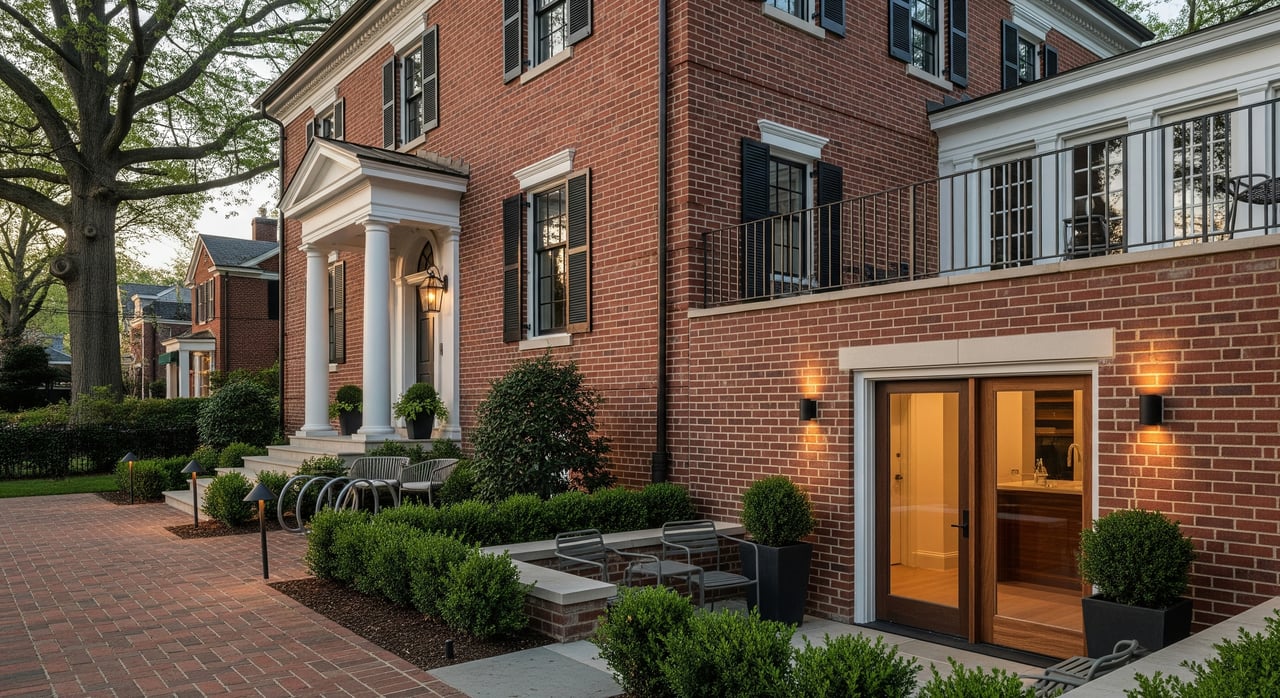
The early 20th century brought another rebranding: in 1920, Alexandria County was renamed Arlington County to eliminate confusion with the neighboring City of Alexandria. That clarity of identity coincided with a period of rapid residential growth. The completion of the Pentagon in 1943 drew a massive influx of workers and military personnel, sparking a housing boom characterized by Colonial Revival homes and Craftsman bungalows that still define much of North Arlington's streetscape today.
The most transformative chapter of modern Arlington began in the 1970s with the arrival of the Metro's Orange and Blue lines. Rather than allow transit stations to become surrounded by parking lots and strip malls — the fate of so many suburban corridors — Arlington made a deliberate choice. It pioneered what urban planners now call "transit-oriented development," concentrating density and mixed-use development tightly around station areas while fiercely protecting the residential character of adjacent neighborhoods. The result is the Rosslyn-Ballston corridor: a spine of sleek high-rises and vibrant streetlife that exists alongside quiet, tree-lined streets just a few blocks away. It is a model studied by cities around the world.
Arlington sits on the western bank of the Potomac River, directly across from Washington, D.C. Its borders are clean and logical: the Potomac River forms the northeastern edge, Fairfax County extends to the west and south, and the City of Alexandria anchors the southeastern boundary. Because it was carved from the original D.C. survey, Arlington forms the southwestern corner of what was once the capital's diamond-shaped footprint — a piece of geography that still carries symbolic weight.
The proximity to D.C. is genuinely remarkable. Residents can walk, bike, or take a five-minute Metro ride into the heart of the District via the Key, Roosevelt, or Memorial Bridges. For daily commuters, this is not a suburb of Washington — it is Washington, in all but name.
The terrain shifts noticeably as you move away from the river. The land near the Potomac sits on the flat Atlantic Coastal Plain, while the interior climbs steadily into the rolling hills of the Piedmont. The highest point, Minor Hill, reaches approximately 460 feet above sea level, offering some neighborhoods a genuine sense of elevation and privacy. Despite its urban density, Arlington maintains significant green infrastructure: the Mount Vernon Trail runs continuously along the river, and the W&OD Railroad Trail — sometimes called the "skinniest park in Virginia" — stretches 45 miles from Shirlington all the way to the Blue Ridge Mountains.
The climate is humid subtropical. Summers are hot and famously sticky, with July averages around 88°F. Winters are cool to cold with occasional significant snowfall from Nor'easters. The shoulder seasons — spring with its cherry blossoms along the Potomac, and fall with its vibrant foliage — are widely considered the most pleasant times to be in Arlington, and not coincidentally, the most active periods in the real estate market.
As of early 2026, Arlington's housing market has settled into what analysts are calling a "strategic normalization." The frenzied bidding wars and near-zero days on market of the early 2020s have passed, but do not mistake calm for weakness. Low inventory continues to support prices, and demand for well-maintained, well-located properties remains consistently high.
The median sale price currently ranges between $705,000 and $790,000 depending on property type and the month's sales mix. Single-family homes frequently exceed $1.5 million, particularly in North Arlington's most established neighborhoods, while the condo market remains more accessible at an average near $508,000 — a meaningful entry point for buyers looking to establish roots in the county.
Inventory has increased approximately 28–31% year-over-year, giving buyers meaningfully more options than they had during peak pandemic competition. Even so, supply remains historically constrained, especially along the transit-oriented corridors where demand is structural and ongoing. The median days on market has risen to roughly 29–31 days — a far cry from the sub-10-day sprints of recent memory. That said, turnkey homes in top school districts still routinely go under contract within a week, a reliable indicator that quality continues to command urgency.
Looking ahead, 2026 forecasts project approximately 3.8% price appreciation for single-family homes and a more modest 2.1% for condos, following a period of healthy correction in 2025. Mortgage rates hovering near 6% have made buyers more analytical and selective. This is now a selective seller's market — one where pricing discipline and property presentation matter in ways they simply did not three years ago.
Arlington's housing stock is as layered as its history, shaped by a century of evolving needs and a planning philosophy that deliberately concentrates density along transit corridors while preserving quieter residential character nearby.
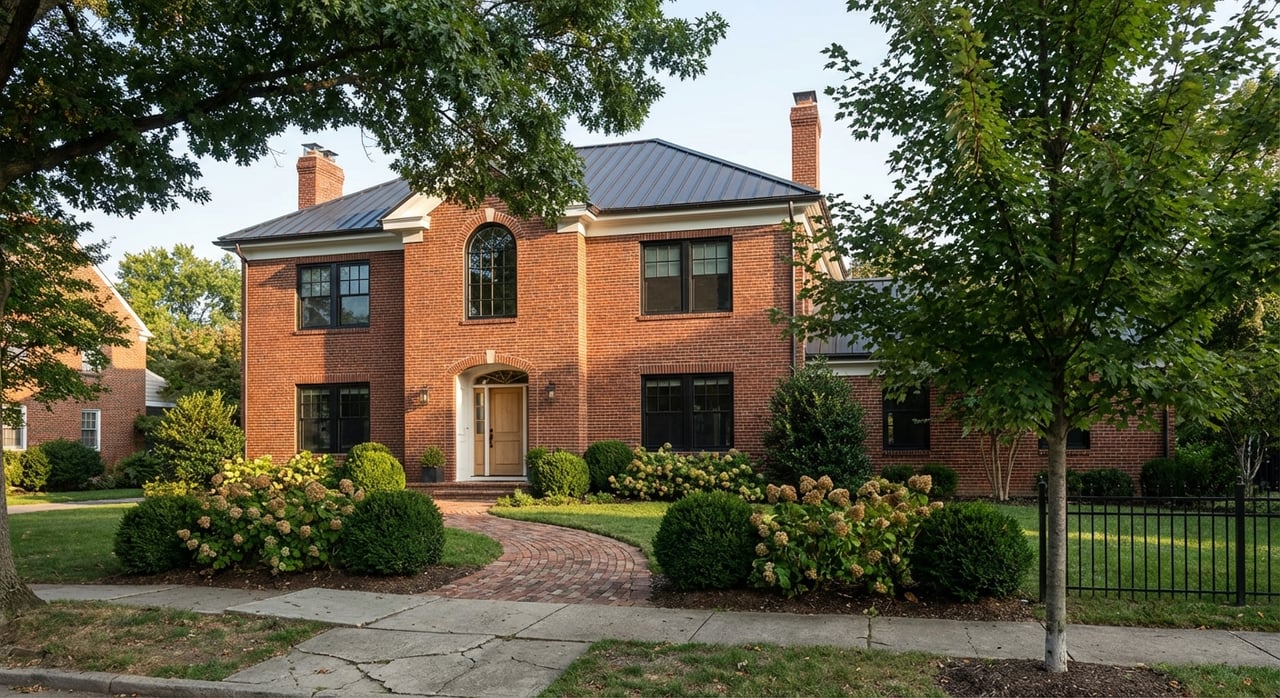
Detached Single-Family Homes are concentrated primarily in North Arlington — neighborhoods like Yorktown and Lyon Village — and in established South Arlington pockets such as Arlington Ridge. Architecturally, these range from 1920s Bungalows and Dutch Colonials to mid-century Ramblers. A notable trend in 2026 is the "tear-down": older, modest homes on desirable lots are increasingly replaced by large modern Craftsman or Transitional estates that command significant premiums.
Condominiums and Co-ops dominate the Rosslyn-Ballston corridor and the National Landing area near Amazon HQ2. Buyers here can choose between sleek glass high-rises with luxury amenities — rooftop pools, 24-hour concierges, co-working lounges — and older garden-style condos in two- to three-story brick buildings that offer a more neighborhood-scaled feel at a lower price point.
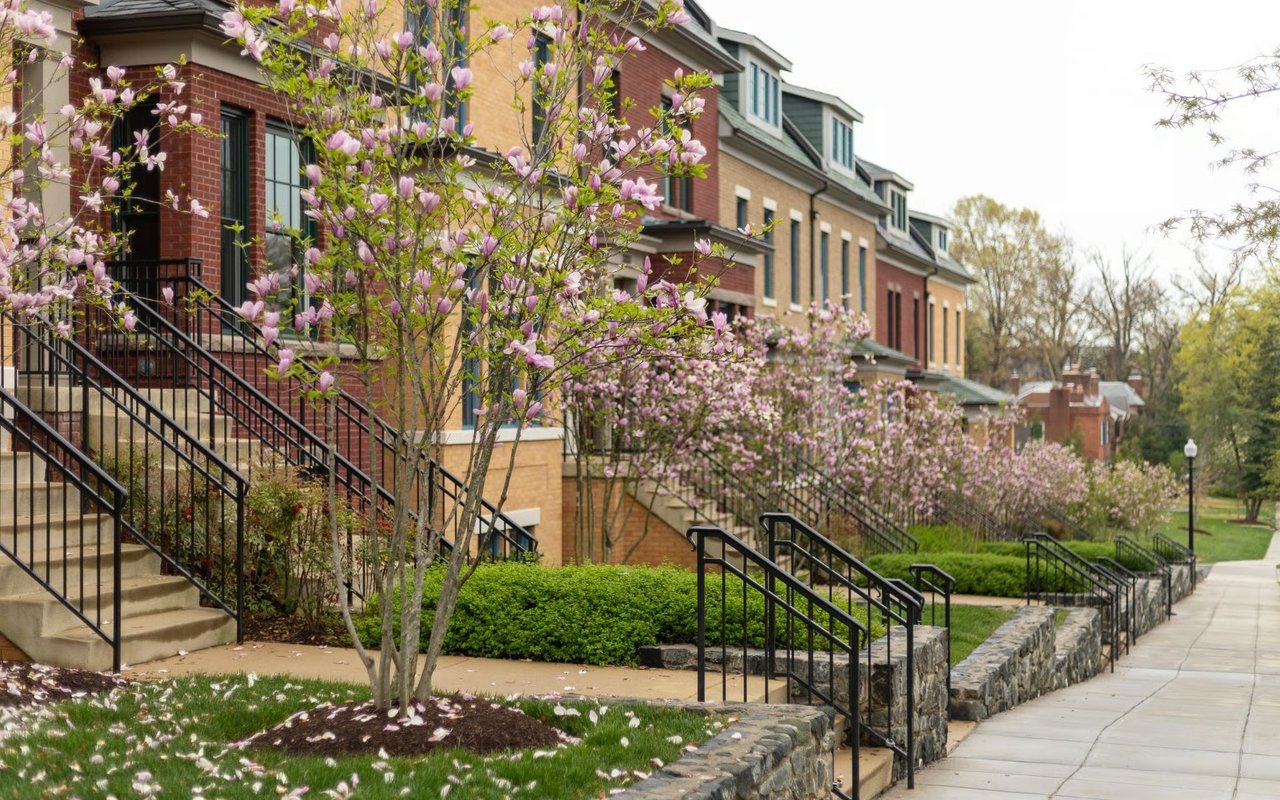
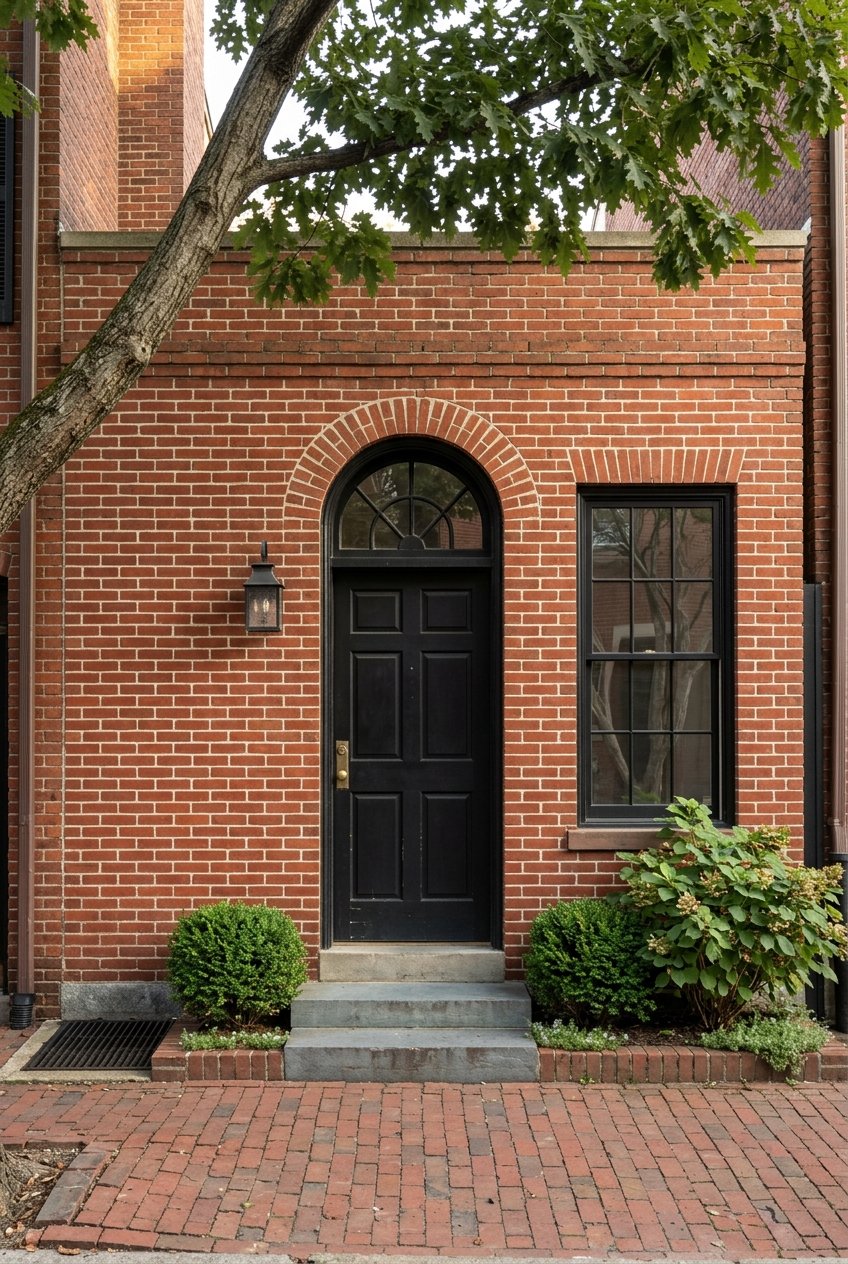
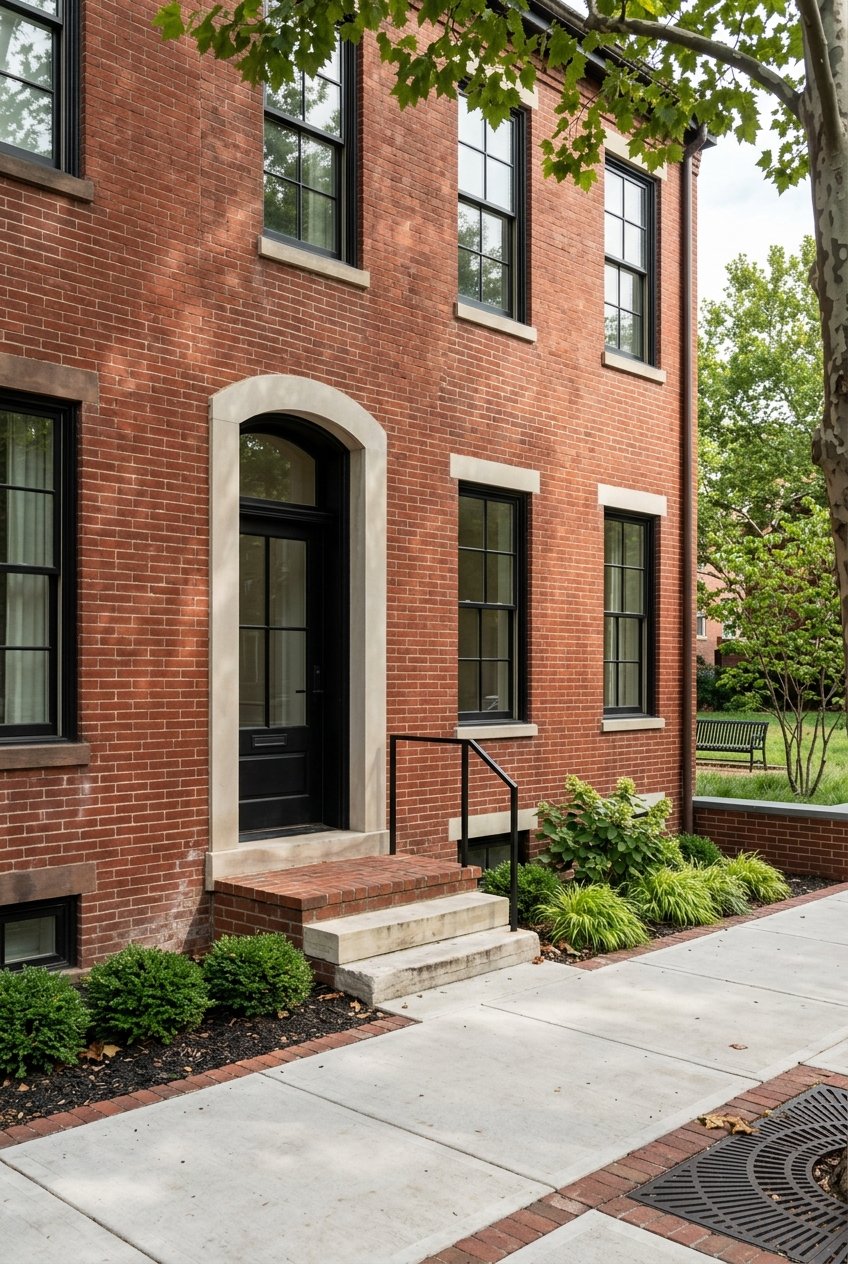
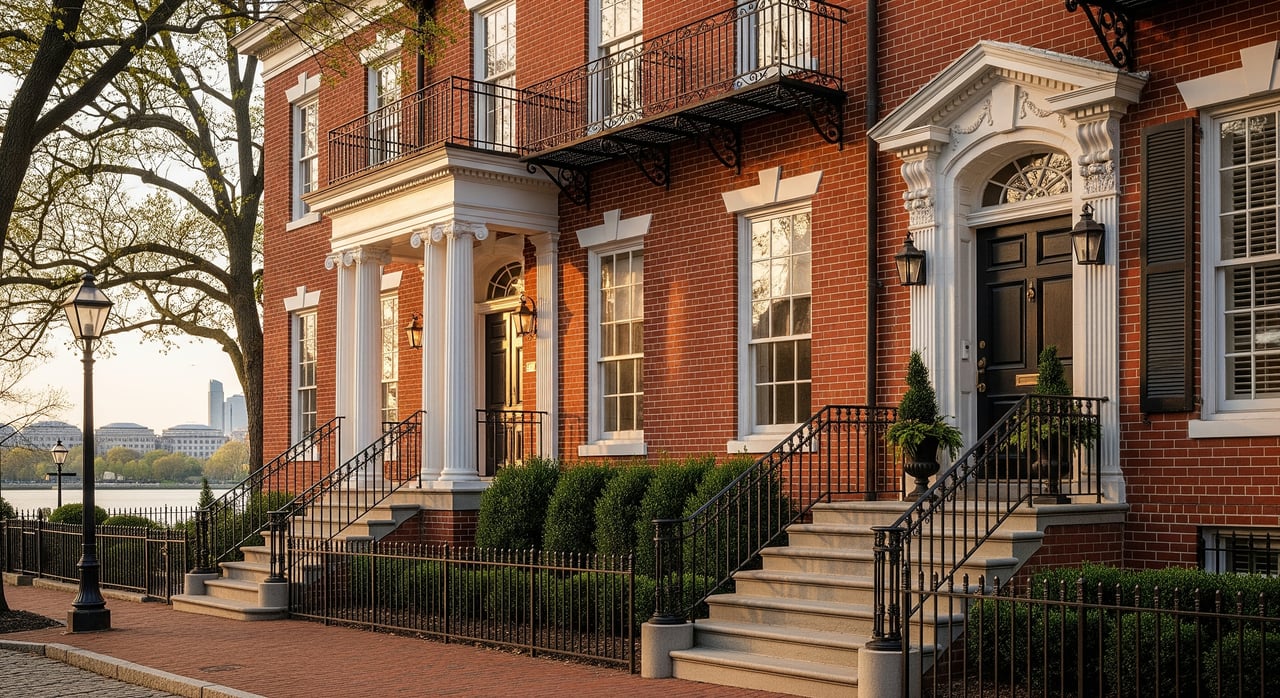
Townhomes and Rowhouses serve as the essential middle ground for buyers who need more space than a condo but face the steep premium of detached homes. The range is wide: historic brick rowhouses in Fairlington (originally built to house WWII workers) sit alongside modern multi-story luxury townhomes with rooftop terraces and two-car garages near Clarendon and Pentagon City.
Apartments round out the market, catering heavily to the young professional demographic that defines much of Arlington's renter population. High-end apartment complexes cluster near Metro stations and are increasingly designed as self-contained "live-work-play" environments with integrated retail and co-working spaces at street level.
Moving to Arlington rewards preparation. The county's density, strong school system, and transit infrastructure make it an exceptional place to live — but there are real costs and logistics that catch newcomers off guard.
Metro proximity is everything. Within 0.5 miles of an Orange, Silver, Blue, or Yellow line station, car-light or car-free living is genuinely achievable. Beyond that radius, the calculus changes. Prioritize your commute destination and work backwards from the station that serves it before choosing a neighborhood.
Budget for Virginia's hidden costs. The state assesses an annual personal property tax on vehicles — budget $500 to $1,000 or more per year depending on your car's value. If you are renting or buying a condo, parking spots typically run $150 to $300 per month, and condo fees range from $400 to $800+ monthly. These are not incidental line items; they affect your true cost of living meaningfully.
Understand the school pyramid system. Arlington Public Schools assigns students based on home address, with strict boundaries that determine your elementary, middle, and high school pathway. If schools are a factor in your decision — and for many families they are the primary factor — research the specific pyramid for your address before making an offer, not after.
Know your income benchmark. To live comfortably near the county's median home price while maintaining a standard 30% housing-to-income ratio, a household income of $180,000 or above is generally recommended in 2026.
Arlington in 2026 is a county actively reinventing itself, tackling both a commercial vacancy problem and a housing shortage through a wave of adaptive reuse, affordable housing investment, and continued build-out of the Amazon campus.
National Landing and Amazon HQ2 remain the county's most closely watched development story. The Metropolitan Park hub is fully operational, and the surrounding National Landing district has matured into a genuine neighborhood anchor, including the recently completed Crystal City Water Park — an outdoor food hall and public green space that has become the area's social center. Amazon's iconic Helix tower, while paused previously, continues to generate investor and developer interest in the surrounding blocks.
The Langston Boulevard Area Plan represents one of the most significant long-range reshaping efforts in the county. Early 2026 saw approval of Leckey Gardens, a 100% affordable housing development adding 249 units to the corridor. Meanwhile, "Missing Middle" zoning changes are beginning to produce tangible results: newly permitted duplexes and townhomes are appearing in traditionally single-family neighborhoods like Cherrydale and Lyon Village, gradually diversifying the housing supply in areas that have long been inaccessible to moderate-income buyers.
Rosslyn-Ballston Adaptive Reuse is converting older office buildings into residential and mixed-use properties at an accelerating pace. The Alexan at Courthouse — a 15-story, 394-unit development replacing a 40-year-old office block — is among the most prominent examples. Projects at 3601 Wilson Boulevard and 3033 Wilson Boulevard are similarly converting obsolete commercial square footage into modern apartments with ground-floor retail, gradually filling the voids left by remote work's impact on office demand.
Arlington's market rewards informed buyers. The diversity of its housing stock — spanning a century of construction across radically different price points and density types — means that "due diligence" looks different depending on what you are purchasing.
For older single-family homes, particularly those built before 1960, two issues deserve close attention: underground sewer lines and electrical systems. Sewer lines commonly fail around the 50-year mark; ask specifically whether the line to the street has been replaced. Unrenovated homes may also contain knob-and-tube or aluminum wiring, which can make homeowners insurance expensive or difficult to obtain.
For condominiums, the financial health of the building is as important as the unit itself. Always review the Reserve Study before making an offer. A low monthly condo fee can signal an underfunded reserve account and a looming Special Assessment — one-time bills for roof, elevator, or structural repairs that can reach $20,000 or more per unit. In 2026, rising insurance premiums and stricter building safety regulations are pushing condo fees upward across the board; understand what you are buying into.
Flood and stormwater risk is an increasingly relevant consideration, particularly for properties near Four Mile Run or Donaldson Run. Arlington has sharpened its focus on inland flash flooding in recent years; consult the Arlington RAMP (Risk Assessment and Management Plan) maps even if a property is not in a designated FEMA coastal zone.
School boundaries should never be assumed to be permanent. Arlington Public Schools conducts periodic boundary refinements to manage overcrowding. Review the 2026–2030 redistricting outlook before treating a school assignment as a given.
Parking and zoning deserve a check, particularly in high-density areas. Some Residential Permit Parking zones no longer issue new permits to incoming residents — a meaningful issue if the home lacks a driveway or garage.
Selling in Arlington in 2026 requires strategy that sellers could afford to skip just a few years ago. The "list it and they will come" era has passed; buyers are more analytical, and the market responds accordingly.
Seasonality has returned. The spring window — particularly late March through April — remains the strongest time to list, capturing families motivated to close and relocate before the new school year. Listing in January carries a real cost: expect 5–10% less traffic, though the buyers you do attract in winter tend to be genuinely motivated.
Pricing discipline is non-negotiable. Overpricing by even 5% risks listing stagnation, and homes that sit beyond 30 days in the current market carry a stigma that invites low-ball offers. The smarter strategy is to price at fair market value and create controlled competition rather than to anchor high and wait.
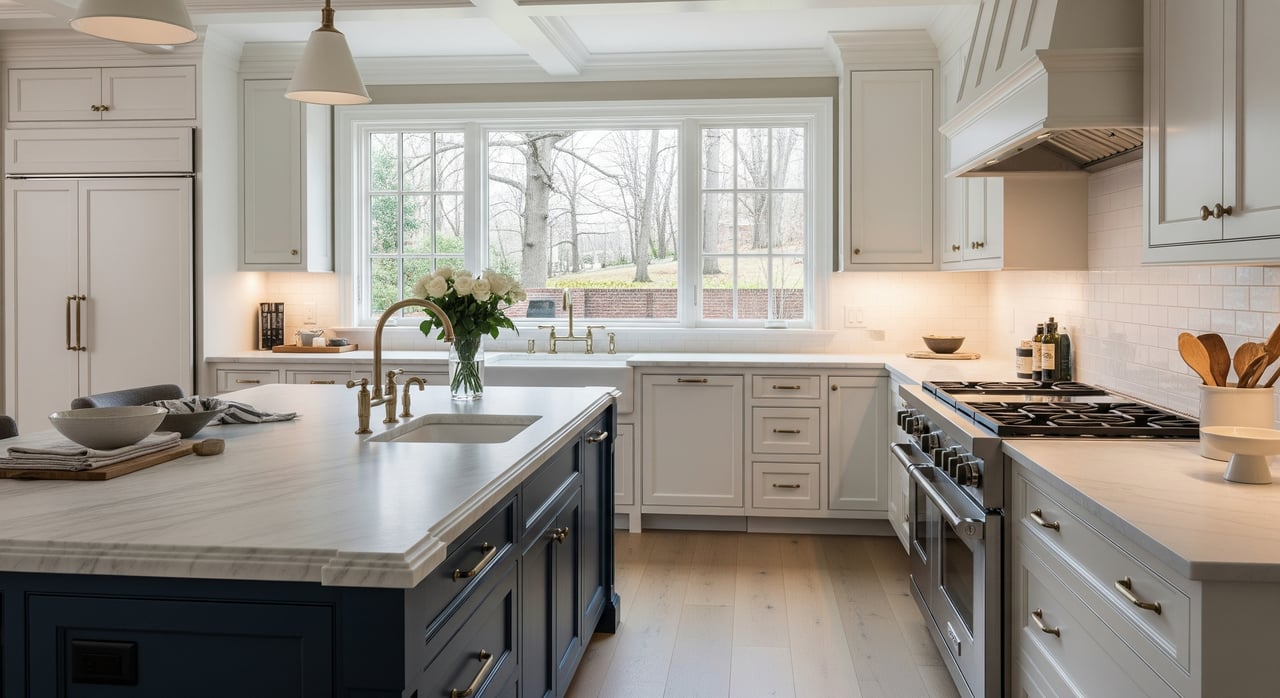
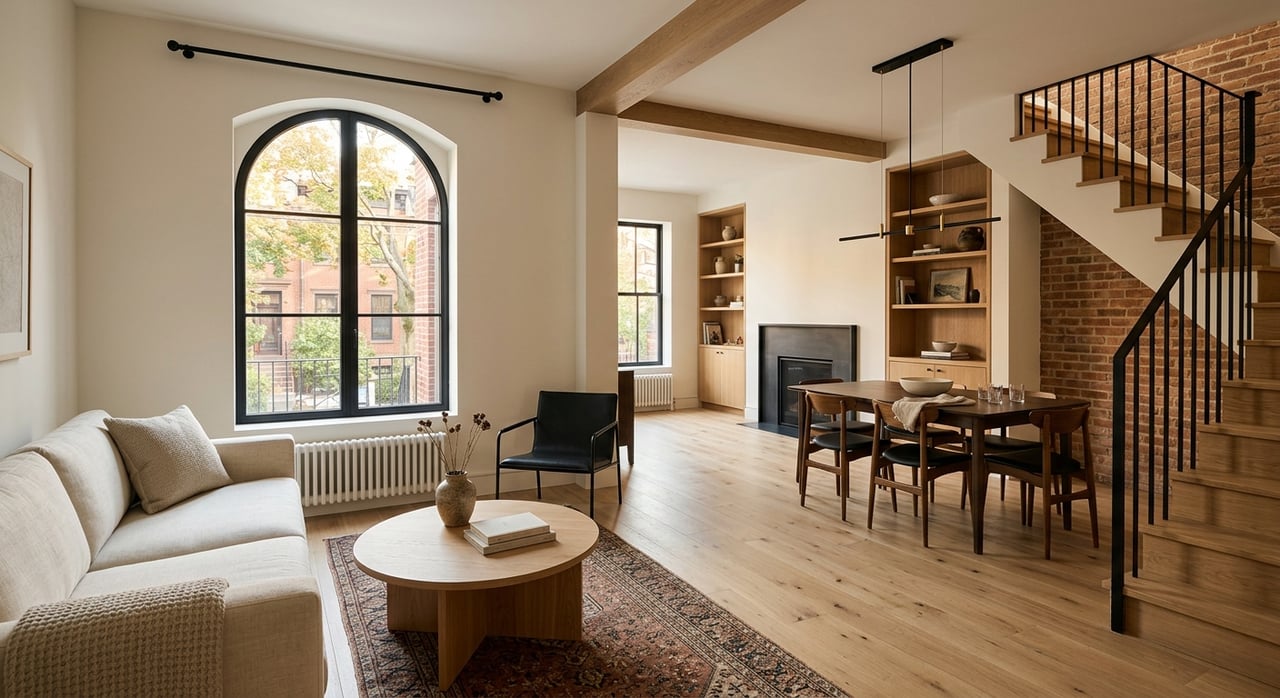
Presentation standards have risen. Staging is now baseline, not a differentiator. For 2026, design trends have shifted away from the cool gray palettes that dominated the past decade toward warmer whites, natural wood accents, and what designers are calling "organic modern" finishes. A dedicated, camera-ready home office remains a top-three buyer priority in a county where remote and hybrid work is the norm.
Know your lot's potential. Under Arlington's expanded Expanded Housing Option (EHO) zoning, many large lots with older homes may now be eligible for multi-unit redevelopment. If you own such a property, your buyer pool may include developers — and your land value may reflect that opportunity significantly.
Arlington's food and entertainment scene has matured well beyond its reputation as D.C.'s dining afterthought. In the post-HQ2 era of 2026, it functions as a legitimate culinary destination in its own right.
The Rosslyn-Ballston corridor is the center of gravity. Ambar in Clarendon remains the benchmark for Balkan small plates, while Carlyle holds its place as a neighborhood institution. Newer arrivals like Top Pot (hot pot) and the French-inspired Paris Baguette have added range to the corridor's offerings. National Landing has emerged as a strong contender, particularly with the Crystal City Water Park food hall drawing regular crowds; Takumi and Ember Kitchen & Spirits represent the area's push toward higher-end dining anchored by the Amazon campus.
Columbia Pike continues to deliver the county's most authentic international dining experience. Bob & Edith's Diner operates around the clock as a neighborhood institution. Ethiopian, Thai, and Latin American restaurants line the corridor, with Café Sazón drawing consistent praise for its Latin American menu. For local cult favorites, The Italian Store remains the definitive destination for imported cheeses and what many residents consider the finest sub sandwiches in the D.C. metro area.
The bar and nightlife scene is similarly varied. Clarendon Ballroom anchors the weekend crowd, while The Renegade offers a live music alternative with a distinctly different energy. Galaxy Hut has maintained its status as an Arlington institution for indie music and craft beer over decades. For something entirely its own, Arlington Cinema & Drafthouse — a combination second-run movie house and stand-up comedy venue housed in an Art Deco building — is a community fixture with no real equivalent elsewhere in Northern Virginia.
Few jurisdictions at Arlington's density can claim 99% of residents live within a 10-minute walk of a park. That statistic reflects a genuine, long-term commitment to green infrastructure that shapes daily life in the county.
The Mount Vernon Trail is arguably Arlington's most beloved asset: 18 miles of paved path along the Potomac River, offering unobstructed views of the D.C. skyline. Gravelly Point — where planes on final approach to Reagan National fly just a few hundred feet overhead — has become one of the most distinctive and beloved public spaces in the entire region. The W&OD Trail extends 45 miles from Shirlington to the Blue Ridge Mountains, serving as the primary artery for Arlington's sizable long-distance cycling community. The Custis Trail connects the W&OD to Rosslyn through four miles of hilly, wooded residential streets, bridging the county's urban core with its greener western neighborhoods.
Potomac Overlook Regional Park deserves particular mention for the way it defies its surroundings: 67 acres of genuine forest with hiking trails and a working nature center, located minutes from Metro stations. Lubber Run Park hosts a beloved outdoor amphitheater with free summer concerts. Long Bridge Park, near Crystal City, offers 30 acres of lit synthetic turf fields and the Long Bridge Aquatics & Fitness Center, which includes an Olympic-sized pool.
Arlington is also consistently ranked among the most dog-friendly counties in the country, with 10 dedicated off-leash areas. Shirlington Dog Park — with its substantial acreage, creek access, and even a dog-washing station — is a social hub in its own right.
Arlington Public Schools (APS) holds an A/A+ overall rating and consistently ranks among the top three school districts in Virginia. The system operates on a neighborhood school model, with attendance determined by home address — a fact that makes school boundary research essential for families considering a purchase.
The flagship high schools — Yorktown, Washington-Liberty, and Wakefield — are distinguished for their academic rigor, with many earning "Distinguished" status from the state. Washington-Liberty offers an International Baccalaureate program, and Arlington's Spanish-English dual-immersion programs at schools like Escuela Key and Claremont Elementary are among the most respected in the region, attracting families who specifically relocate to access them.
The private school landscape is anchored by Bishop O'Connell High School, a premier Catholic college preparatory institution, and complemented by strong Montessori options including Children's House Montessori and Arlington Montessori House for the infant-through-kindergarten range. For pre-K, The Goddard School and Two Birds Childcare are among the most sought-after programs in the county.
Higher education has a meaningful presence as well. George Mason University's Mason Square campus in Virginia Square is a leader in law and policy. Marymount University maintains its main campus in North Arlington. Graduate programs from Northeastern, UVA's Darden School, and Virginia Tech operate from the Rosslyn-Ballston and National Landing corridors, making Arlington a legitimate university town for graduate and professional students.
Arlington may be the most transit-connected jurisdiction of its size anywhere in the United States. It was built — deliberately and over decades — to function without a car, and for many residents, that promise is fully delivered.
Metrorail is the foundation. Four lines — Orange, Silver, Blue, and Yellow — serve 11 stations across the county. The Orange and Silver lines run the length of the Rosslyn-Ballston corridor; the Blue and Yellow serve South Arlington through Pentagon City and Crystal City. In 2026, a second entrance at Crystal City is being finalized to improve access to the HQ2 development area — worth monitoring for buyers in that corridor, as it will meaningfully improve pedestrian flow.
Bus service fills the gaps. Arlington Transit (ART) operates local green-and-white buses between Metro stations, while Metrobus extends connectivity into D.C. and Maryland. Taken together, the bus and rail network makes it genuinely possible to live without a car in most parts of the county.
Biking and walking are not afterthoughts here. Arlington holds Gold-Level Walk Friendly Community status, maintains over 100 miles of multi-use trails, and hosts Capital Bikeshare stations at consistent intervals throughout the county. Bike commuting to D.C. is a primary — not backup — transportation mode for a meaningful portion of residents.
For drivers, I-66 provides the main east-west connection to D.C. and Fairfax County, though HOV requirements during peak hours are strictly enforced in the direction of travel. I-395 links South Arlington to D.C. and Alexandria. The George Washington Parkway along the Potomac serves as both a commuter route and a scenic drive, providing direct access to Reagan National Airport (DCA) — one of Arlington's most underrated logistical advantages for frequent travelers.
Within Arlington's 26 square miles, certain micro-locations carry a prestige and consistency of value that buyers specifically seek out — and sellers in these pockets reliably benefit from.
Lyon Village is perhaps the most sought-after address in the county. Concentrated near the Clarendon Metro, its streets are lined with beautifully maintained 1920s and 1930s homes on generous lots, often surrounded by mature canopy trees. The neighborhood's combination of walkability, architectural character, and top-tier school pyramid creates a market where homes rarely linger.
Yorktown commands consistent premiums in North Arlington, driven by its association with one of APS's most respected school pyramids and its established, quiet residential character. Buyers who prioritize schools and single-family homes at the upper end of the market frequently focus their search here.
Country Club Hills offers a more elevated version of North Arlington's residential character — large lots, significant homes, and a sense of remove from the corridor's commercial energy that attracts senior professionals and families looking for space without leaving the county.
Fairlington, in South Arlington, occupies a different niche: its meticulously maintained historic brick rowhouses, originally built for WWII defense workers, have become some of the most desirable and distinctive homes in the county. Strong community association governance and an unusually cohesive neighborhood identity make this one of Arlington's most tightly held markets.
National Landing represents the emerging prestige market. As Amazon's campus matures and the surrounding infrastructure develops, early buyers are positioning themselves in what many analysts expect to become the county's next major appreciation story.
At its core, Arlington works because it resolves a tension that most communities cannot: the desire for urban access and the need for human-scaled community. Residents here do not sacrifice one for the other.
The practical advantages are significant. Reagan National Airport is in your backyard. The District is five minutes away by Metro or bike. The school system is among Virginia's finest. The trail network is world-class. The restaurant scene is legitimate. The job market — anchored by federal agencies, defense contractors, Amazon, and a dense ecosystem of technology and policy firms — is among the most resilient in the country.
But what people tend to talk about when they talk about loving Arlington is harder to quantify. It is the particular pleasure of watching a plane bank low over the Potomac from Gravelly Point on a Sunday afternoon. It is the neighborhood association that actually shows up. It is the Clarendon farmers market on a May morning, and Signature Theatre on a winter evening, and a dog park in Shirlington that functions as a genuine community commons. It is the feeling that the county's density has not come at the expense of its humanity.
For buyers and sellers, that quality of life is not just an amenity — it is the underlying asset. Arlington's values are durable precisely because what makes the county exceptional is structural, not cyclical.
Navigating Arlington's market — with its layered price points, strict school boundaries, evolving zoning, and fast-moving inventory — requires more than a general familiarity with Northern Virginia real estate. It requires on-the-ground expertise and a team that has built meaningful relationships within the county.
Treasury Homes brings that expertise to every transaction. Whether you are relocating to Arlington for the first time, looking to move up within the county, or preparing a property for sale in a market that demands precise positioning, the Treasury Homes team is equipped to guide you with clarity and confidence. From identifying the right neighborhood for your lifestyle and school priorities to structuring offers that compete effectively — or pricing and presenting a listing to generate the right kind of attention — Treasury Homes operates as a trusted partner through every step of the process.
If Arlington is on your radar, reach out to Treasury Homes to begin the conversation. The right guidance makes all the difference in a market this nuanced.
There's plenty to do around Arlington, including shopping, dining, nightlife, parks, and more. Data provided by Walk Score and Yelp.
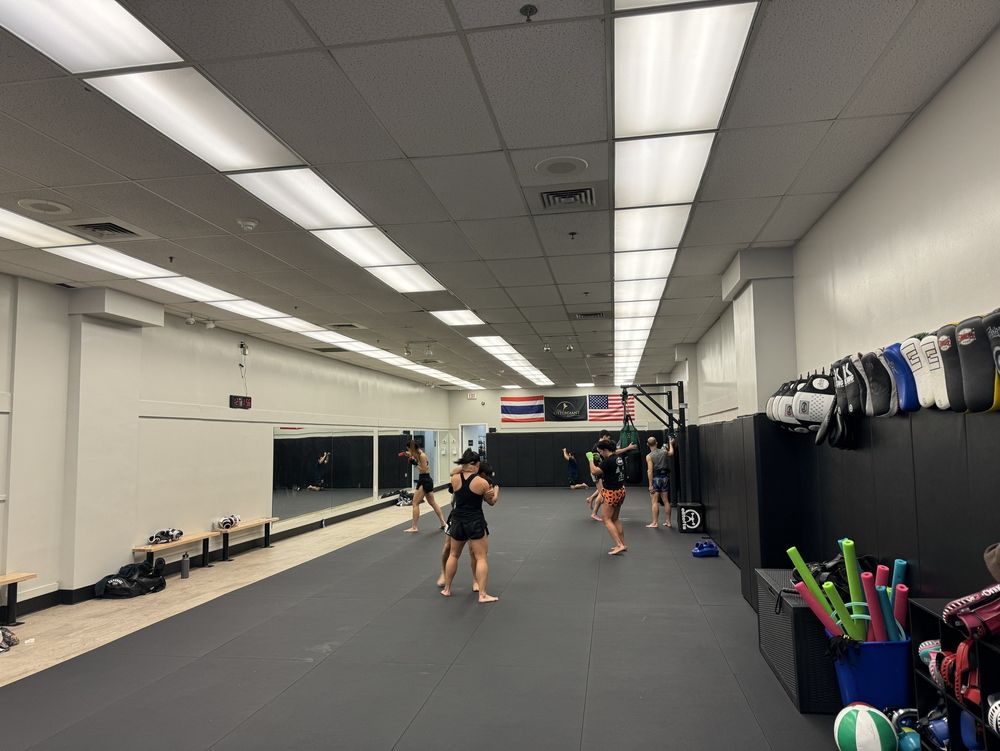
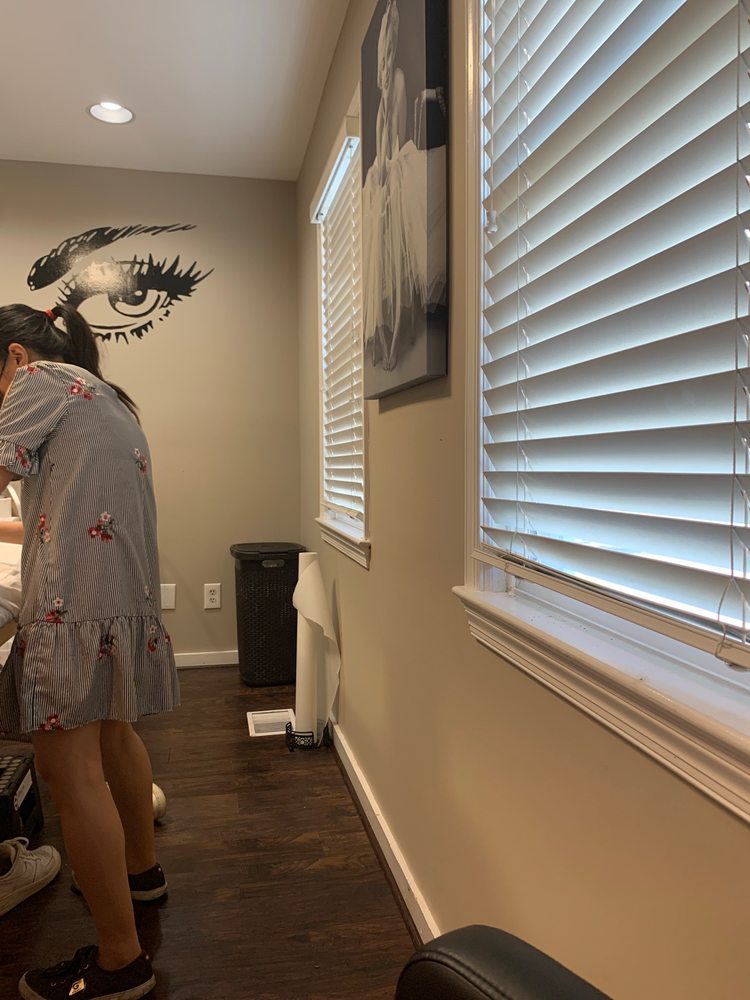
Explore popular things to do in the area, including Area 2 Farms, Picamas, and DG Cakes.
| Name | Category | Distance | Reviews |
Ratings by
Yelp
|
|---|---|---|---|---|
| Dining | 2.35 miles | 8 reviews | 5/5 stars | |
| Dining | 1.01 miles | 11 reviews | 5/5 stars | |
| Dining · $$ | 3.26 miles | 6 reviews | 5/5 stars | |
| Active | 4.21 miles | 8 reviews | 5/5 stars | |
| Active | 0.37 miles | 14 reviews | 5/5 stars | |
| Active | 3.53 miles | 13 reviews | 5/5 stars | |
| Active | 2.81 miles | 28 reviews | 5/5 stars | |
| Active | 4.04 miles | 8 reviews | 5/5 stars | |
| Active | 0.39 miles | 12 reviews | 5/5 stars | |
| Active | 0.49 miles | 12 reviews | 5/5 stars | |
| Active | 1.23 miles | 6 reviews | 5/5 stars | |
| Beauty | 0.61 miles | 6 reviews | 5/5 stars | |
| Beauty | 3.96 miles | 15 reviews | 5/5 stars | |
| Beauty | 0.76 miles | 6 reviews | 5/5 stars | |
| Beauty | 0.92 miles | 10 reviews | 5/5 stars | |
| Beauty | 0.61 miles | 21 reviews | 5/5 stars | |
| Beauty | 0.92 miles | 20 reviews | 5/5 stars | |
| Beauty | 2.43 miles | 31 reviews | 5/5 stars | |
|
|
||||
|
|
||||
|
|
||||
|
|
||||
|
|
||||
|
|
Arlington has 111,530 households, with an average household size of 2.08. Data provided by the U.S. Census Bureau. Here’s what the people living in Arlington do for work — and how long it takes them to get there. Data provided by the U.S. Census Bureau. 235,463 people call Arlington home. The population density is 9,057.18 and the largest age group is Data provided by the U.S. Census Bureau.
Total Population
Population Density Population Density This is the number of people per square mile in a neighborhood.
Median Age
Men vs Women
Population by Age Group
0-9 Years
10-17 Years
18-24 Years
25-64 Years
65-74 Years
75+ Years
Education Level
Total Households
Average Household Size
Average individual Income
Households with Children
With Children:
Without Children:
Blue vs White Collar Workers
Blue Collar:
White Collar: