Wondering whether a newer home or an older one makes more sense in Fairfax? You are not alone. In a market with a large established housing base and a high median owner-occupied home value, this choice often comes down to more than looks or list price. If you are weighing character, condition, efficiency, and future costs, this guide will help you compare the tradeoffs with more confidence. Let’s dive in.
Fairfax Has More Older Homes
If Fairfax feels full of established neighborhoods, that is because it is. According to the 2024 ACS profile for Fairfax County, about 78.4% of housing units were built in 1980 or earlier, while 21.6% were built in 2000 or later.
That age mix shapes your search in a big way. In Fairfax, you are often choosing among mid-century and late-20th-century homes, not just brand-new construction. The county’s growth history also helps explain why, with a major buildout period from the 1950s through 1980 and many neighborhoods developed during that time, as documented by Fairfax County planning and survey materials.
You are also comparing different home types, not just different build years. The same ACS report shows that Fairfax housing includes a large share of one-unit detached homes and one-unit attached homes, so your decision may involve detached houses, townhomes, or other attached options alongside age and condition.
Newer Homes: What You May Gain
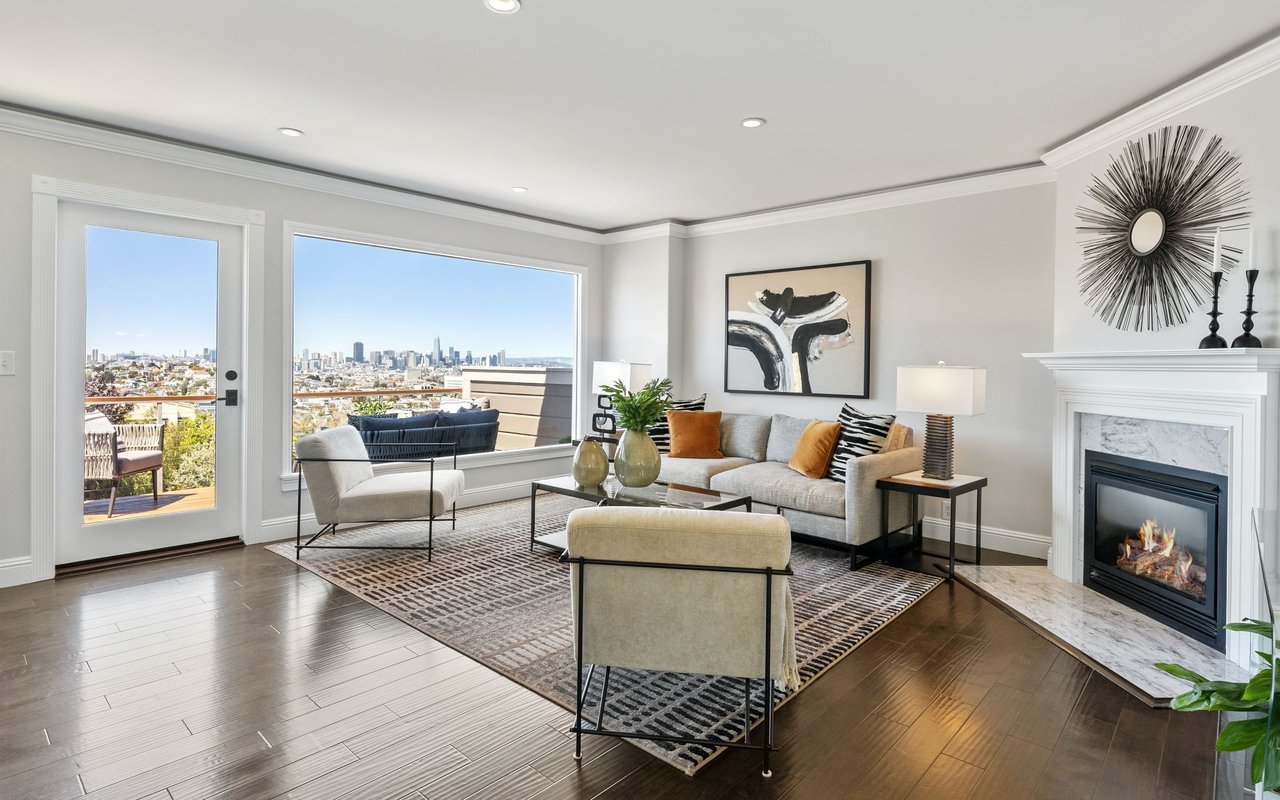
Newer homes in Fairfax often appeal to buyers who want a more predictable move-in experience. In many cases, they offer layouts and finishes that feel more aligned with what buyers expect today.
Modern Layouts and Flow
Many newer homes, or older homes that have been heavily modernized, feel more open and visually connected. By contrast, Fairfax County’s architectural survey materials show that many older homes reflect styles such as Ranch, Split-Level, Split-Foyer, and Modern Colonial, which can mean more separated rooms and a more traditional layout history. You can see examples of these styles in the county’s Modern Architecture Survey.
That does not make one format better than the other. It simply means your day-to-day living experience may feel very different depending on the home’s era and whether it has been updated.
A Stronger Efficiency Baseline
Newer homes usually benefit from more current building standards. Virginia’s Uniform Statewide Building Code applies to new construction and renovations, and Fairfax County’s energy-conservation guidance outlines insulation and glazing requirements tied to the Virginia Residential Code.
In practical terms, that often means newer homes start from a better efficiency baseline. The U.S. Department of Energy also notes that building energy codes set minimum efficiency standards, and its Efficient New Homes program highlights benefits such as comfort, durability, and energy savings.
Fewer Immediate Projects, Sometimes
Many buyers prefer newer homes because they expect fewer near-term repairs. That can be true, especially when systems, windows, roofing, and finishes are all relatively recent.
Still, newer does not automatically mean lower-maintenance. Builder quality, materials, and ongoing upkeep matter just as much as the build date. A newer home with rushed finishes can still become expensive, while an older home with thoughtful updates can be a much steadier choice.
Older Homes: What You May Gain
Older homes remain a major part of the Fairfax market for a reason. They often offer advantages that newer homes cannot easily replicate.
Established Locations and Mature Settings
Because so much of Fairfax developed decades ago, many older homes sit in established neighborhoods with mature trees, settled streetscapes, and long-standing community layouts. For many buyers, that setting is a major draw.
This is part of why the newer-versus-older decision is not just about house condition. It is also about where and how you want to live within Fairfax.
Character and Architectural Variety
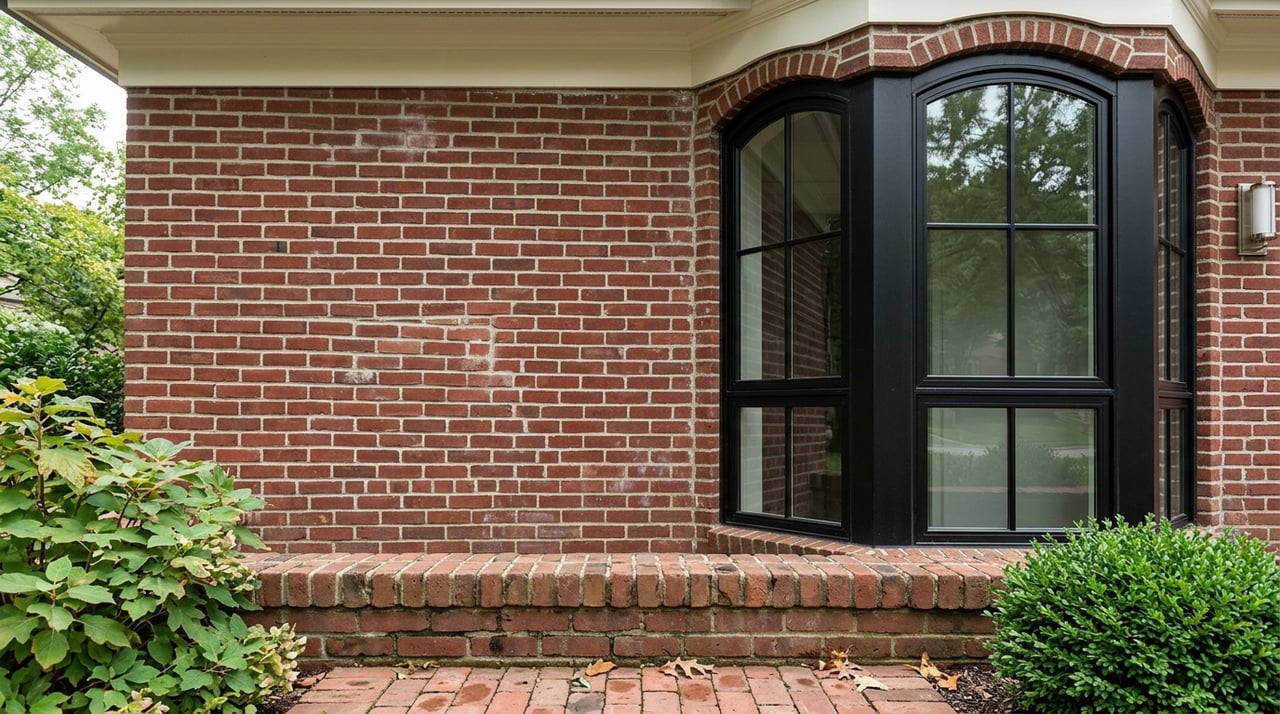
Older Fairfax homes often come with distinct architectural identity. County materials document styles ranging from Ranch and Split-Level homes to more design-forward examples with open plans, floor-to-ceiling windows, and low-pitched roofs in places like Hollin Hills.
For some buyers, that variety feels more interesting than the more standardized look of newer construction. If you value original details, lot maturity, or renovation potential, an older home may offer more upside.
Renovation Potential
An older home can be a smart buy if the bones are solid and the updates are manageable. That is especially true if you are comfortable improving a property over time or want to tailor it to your preferences.
The key is knowing which updates matter. According to the 2025 NAR Remodeling Impact Report, buyers are less willing to compromise on condition, and projects tied to worn surfaces, energy efficiency, and resale planning remain important.
What Matters More Than Build Year
If you remember one thing, let it be this: the year a home was built is only the starting point. In Fairfax, the better comparison is often the home’s current condition.
Compare the Big Systems
Whether a home is newer or older, ask about:
- Roof age
- HVAC age and service history
- Water heater age
- Window age and condition
- Insulation levels
- Air sealing and draft issues
Fairfax County’s energy guidance makes this point practical. The most useful comparison is often the building envelope and mechanical systems, not the date on the tax record.
Look at Update Quality
A renovated older home can be a great purchase, but not all updates are equal. Cosmetic work may look appealing online while leaving older wiring, aging HVAC components, or inefficient windows untouched.
On the flip side, a newer home can look fresh but still raise concerns if the workmanship or materials feel inconsistent. You want to look past the finish level and ask what has actually been improved.
Factor in Operating Costs
With Fairfax County reporting a median monthly owner cost with a mortgage of $3,227, monthly ownership costs already matter. Utility bills, maintenance, and future repairs can widen the gap between two homes that seem similarly priced at first.
Older homes can improve their performance with weatherization work. Virginia’s Weatherization Assistance Program highlights measures like air sealing, insulation, and HVAC repair as ways to reduce energy use and improve comfort and safety.
Extra Due Diligence for Older Homes
Older homes are not automatically riskier, but they do call for a more careful review.
Lead Paint in Pre-1978 Homes
This is one of the clearest examples. Fairfax County says 47% of county homes were built before 1978, and the county’s lead information page notes that older homes are more likely to contain lead-based paint.
If you are considering a pre-1978 home, make sure you understand the disclosure requirements and renovation implications. This does not mean you should avoid those homes. It means you should evaluate them with eyes open.
Historic or Overlay Constraints
Some older neighborhoods may also include preservation-related considerations. For example, Hollin Hills is a historic overlay district, which can affect what exterior changes are allowed.
If preserving original character matters to you, that may be a plus. If you want maximum flexibility for exterior renovations, it is something to confirm early.
Which Buyer Type Fits Each Option?
The right answer often depends on your timeline, budget, and appetite for projects.
Newer Homes May Fit You If
A newer home may be the better fit if you:
- Want a more open layout
- Prefer fewer immediate repair projects
- Value a stronger energy-efficiency baseline
- Need a move-in-ready option due to a tight schedule
- Want more predictability in the first few years of ownership
Older Homes May Fit You If
An older home may be the better fit if you:
- Value established locations and mature lots
- Like architectural variety or traditional design
- Are comfortable budgeting for upgrades
- Want the potential to renovate over time
- Care more about long-term upside than turnkey condition
How to Make a Smarter Fairfax Comparison
When you tour homes, try to compare them through a practical lens instead of a simple old-versus-new label.
Ask yourself:
- Has this home been updated in meaningful ways?
- Which major systems may need attention soon?
- How does the layout fit the way you live?
- What will monthly costs likely look like beyond the mortgage?
- If I need to sell later, will condition or layout limit demand?
That last question matters. NAR found that 46% of REALTORS® said buyers are less willing to compromise on home condition, which means resale can be affected quickly when maintenance is deferred.
The Bottom Line for Fairfax Buyers
In Fairfax, older homes dominate the market, so this is not really a niche decision. It is one of the most important choices many buyers will make.
Newer homes often offer convenience, efficiency, and modern flow. Older homes often offer location, character, and renovation potential. The best choice is usually the one that matches your budget, tolerance for projects, and long-term plans, while also holding up under close review of systems, efficiency, and update quality.
If you want help comparing specific homes in Fairfax, the team at Treasury Homes can help you look beyond the listing photos and weigh the real tradeoffs with confidence.
FAQs
Which home ages are most common in Fairfax?
- Fairfax County housing is mostly older, with about 78.4% of units built in 1980 or earlier and 21.6% built in 2000 or later.
Are newer homes in Fairfax always lower-maintenance?
- No. Newer homes may benefit from newer code standards and efficiency features, but builder quality, materials, and upkeep still matter.
Do older Fairfax homes have better locations?
- Many older homes are in established neighborhoods because much of Fairfax developed decades ago, but the best location depends on your goals and preferred setting.
What should buyers check first in an older Fairfax home?
- Focus on major systems and performance items like the roof, HVAC, windows, insulation, air sealing, and any meaningful renovations already completed.
Do pre-1978 homes in Fairfax need special attention?
- Yes. Pre-1978 homes may involve lead-based paint considerations, so buyers should review disclosures carefully and understand renovation rules.
Which updates help resale most in Fairfax homes?
- Kitchens, bathrooms, roofing, energy-related upgrades, and visible improvements like front doors tend to matter most for buyer appeal and resale.