CONTACT
Treasury Homes
Toby Lim
Address
6849 Old Dominion Dr Ste 400
Mclean VA 22101
Mclean VA 22101
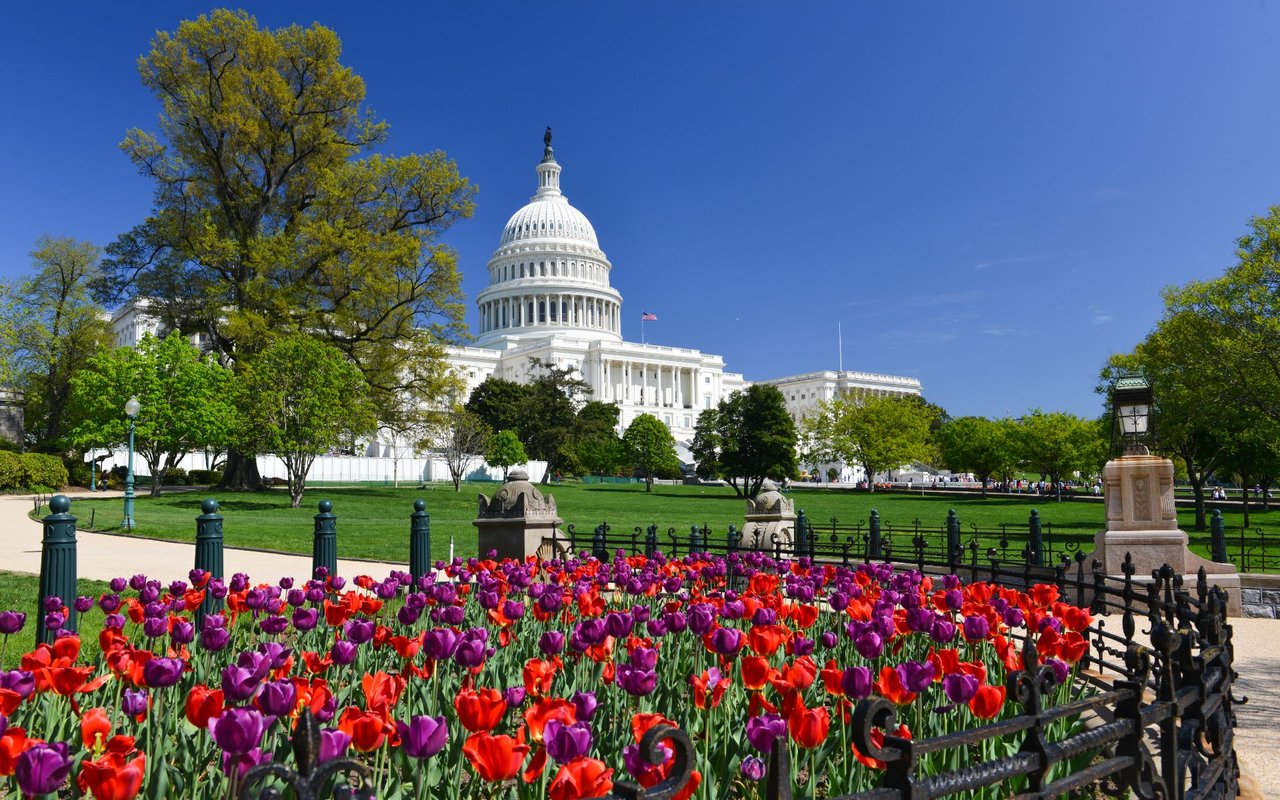
28,742 people live in Capitol Hill, where the median age is 35 and the average individual income is $102,845. Data provided by the U.S. Census Bureau.
Total Population
Median Age
Population Density
Average individual Income
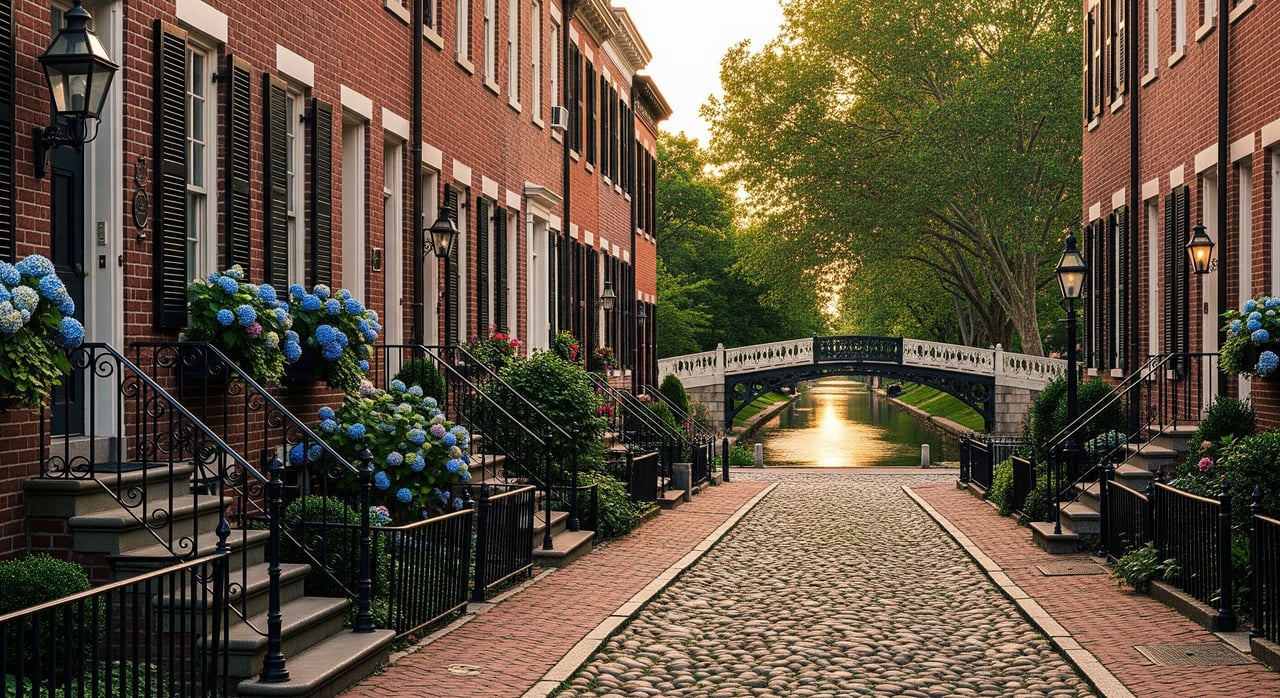
Capitol Hill is where the machinery of national government meets one of Washington's most tightly knit residential communities. Walk a few blocks in any direction from the Capitol dome and the marble grandeur gives way to quiet, tree-canopied streets lined with 19th-century brick rowhouses, corner cafés, and small parks where neighbors actually know each other. It is, in the truest sense, a village embedded inside a global capital.
The neighborhood's character comes from that contrast. Senators, federal staffers, lobbyists, and Supreme Court clerks live alongside multi-generation families, restaurateurs, and longtime residents who have spent decades restoring their homes. On a Saturday morning, the same sidewalk carries a congressional aide grabbing coffee, a family heading to Eastern Market for pancakes, and a couple walking their dog to Lincoln Park. High-stakes politics and slow-paced neighborhood ritual coexist comfortably here in a way few places manage.
Capitol Hill tends to suit three kinds of people especially well. The first are professionals tied to the institutions of government — anyone in law, policy, federal agencies, or the legislative branch who values being able to walk to work. The second are urban families drawn by the strong local school cluster, the parks, and the safety of a community-anchored neighborhood that still feels genuinely connected. The third are those who simply want to ditch the car: people whose ideal weekend is a walk to a farmers market, an independent bookstore, and a memorable dinner, all within a few blocks. If you measure quality of life in footsteps rather than highway miles, the Hill delivers.
Capitol Hill is a premium, high-demand market, but it no longer behaves as a single market. The housing stock has split into two very different ecosystems, and understanding which one your property belongs to is the difference between pricing with confidence and leaving money on the table.
The neighborhood's median sale price sits in the neighborhood of $830,000, and while the broader D.C. market has cooled toward stabilization, premium micro-markets like the Hill have held their value remarkably well — a resilience driven by the stable base of federal and private-sector employment that anchors the area.
Where the two markets diverge is in leverage:
| Property Type | Market Condition | What Sellers Should Expect |
|---|---|---|
| Historic rowhouses & single-family homes | Highly competitive; inventory extremely tight | Strong seller leverage, shorter days on market (often ~17–35 days), and multiple offers when priced and presented well |
| Condos & co-ops | Inventory influx; balanced to buyer-favored | Longer decision windows (often ~45–73+ days), more negotiation, and a need for sharp pricing and staging from day one |
A few forces are shaping buyer behavior right now, and each one is directly relevant if you're thinking about selling:
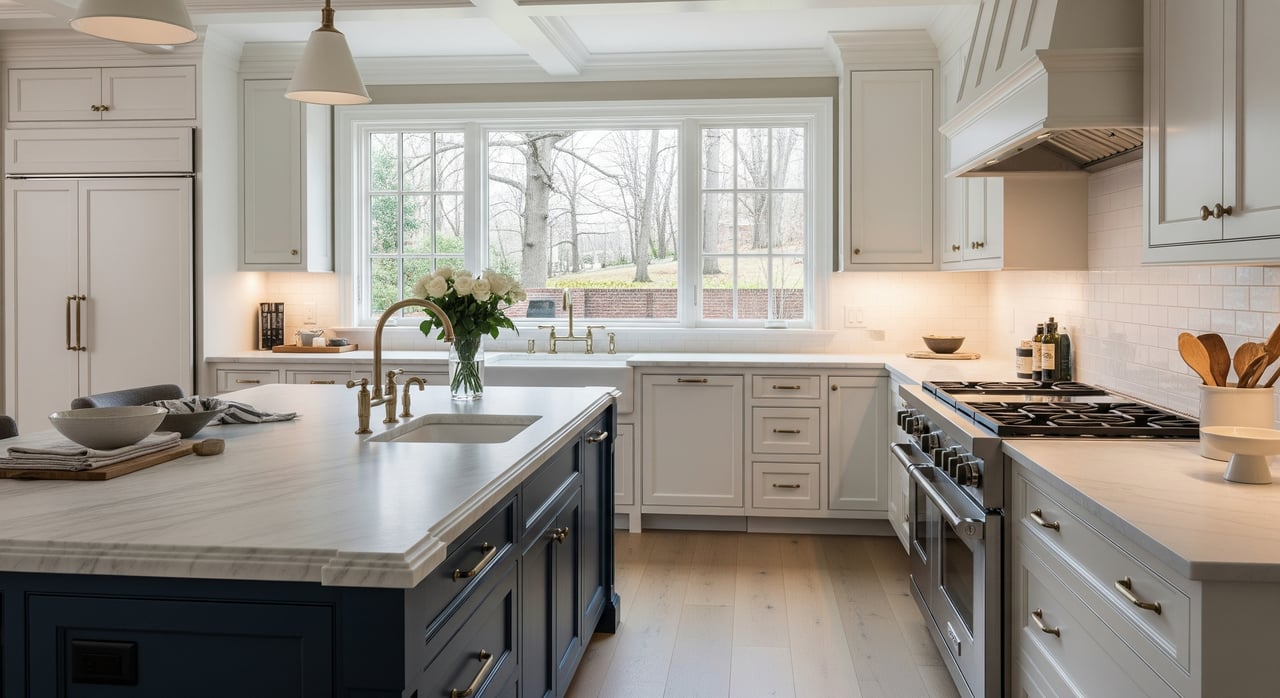
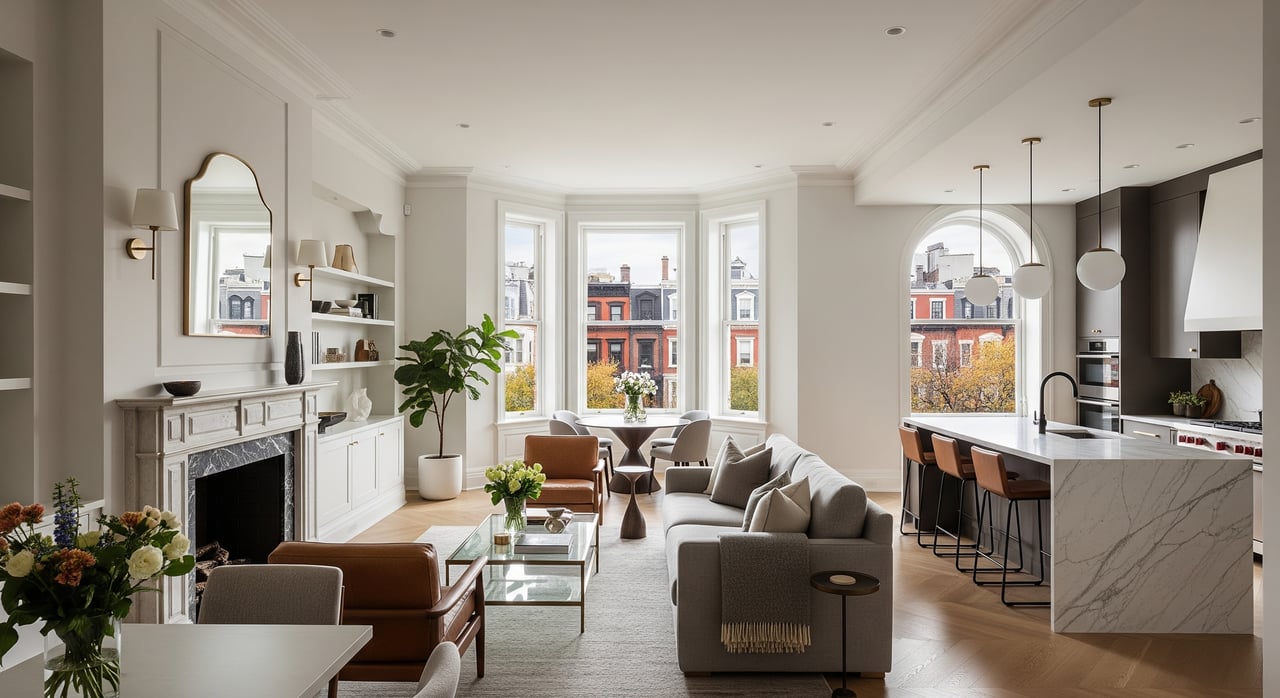
The turn-key premium is real and growing. With elevated interest rates and high renovation costs, today's buyers are paying a meaningful premium for move-in-ready homes. Updated kitchens, modern bathrooms, and clean cosmetic refreshes translate into faster sales and stronger offers. Conversely, buyers heavily discount homes that signal a looming renovation.
The rate-lock effect continues to choke single-family supply. So many owners are holding onto sub-3% mortgages that classic rowhouses rarely hit the market — and when a well-maintained one does, pent-up demand produces fast, competitive engagement.
In the condo and townhouse segment, concessions have replaced price cuts as the smart play. Rather than slashing a list price, successful sellers are funding interest-rate buy-downs or covering several months of HOA fees — strategies that speak directly to monthly-budget-conscious buyers and close deals without gutting the headline number.
Finally, private outdoor space and work-from-home flexibility remain non-negotiable for buyers. In a dense neighborhood, a brick patio, a rooftop deck, or a dedicated home-office alcove can be the deciding feature.
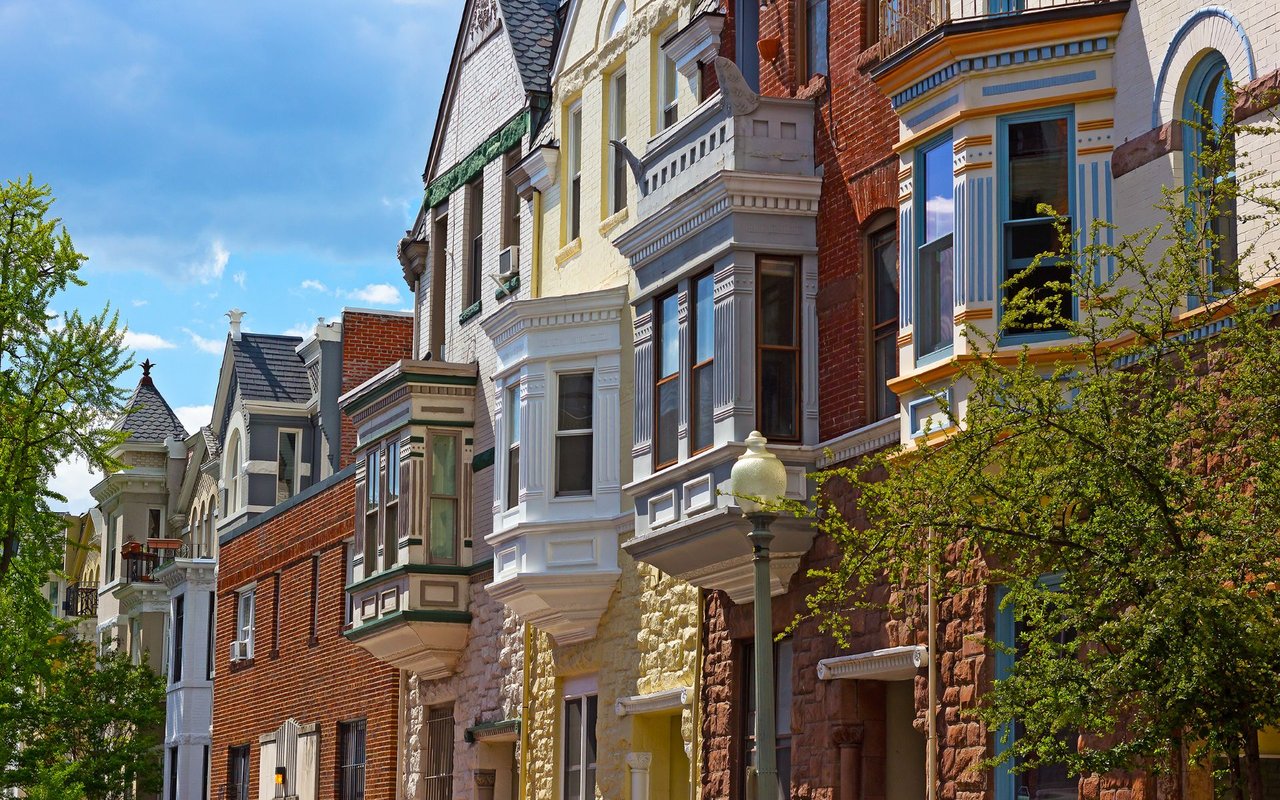
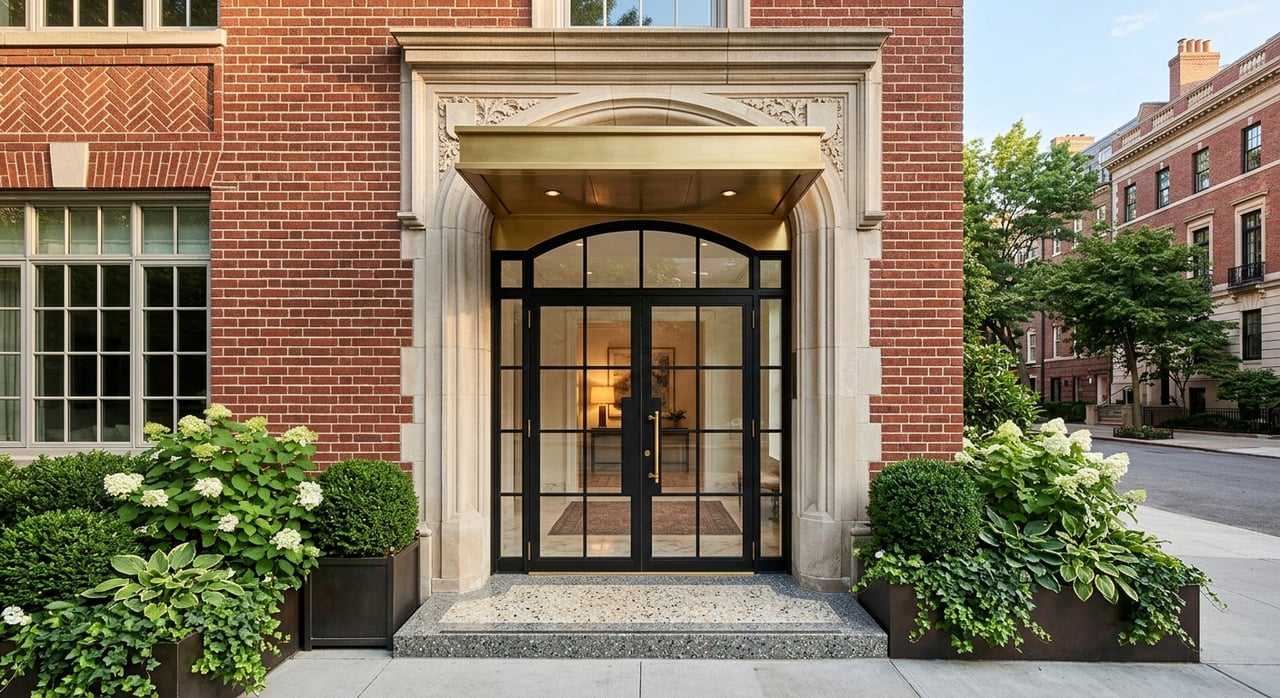
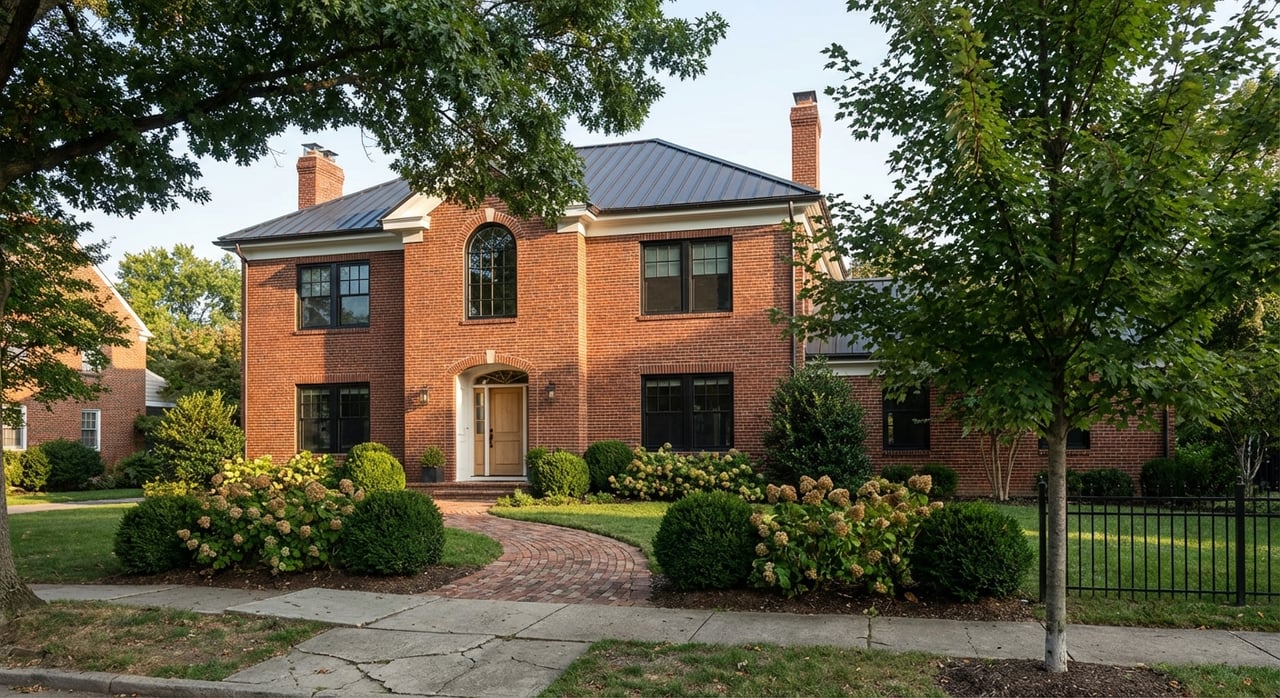
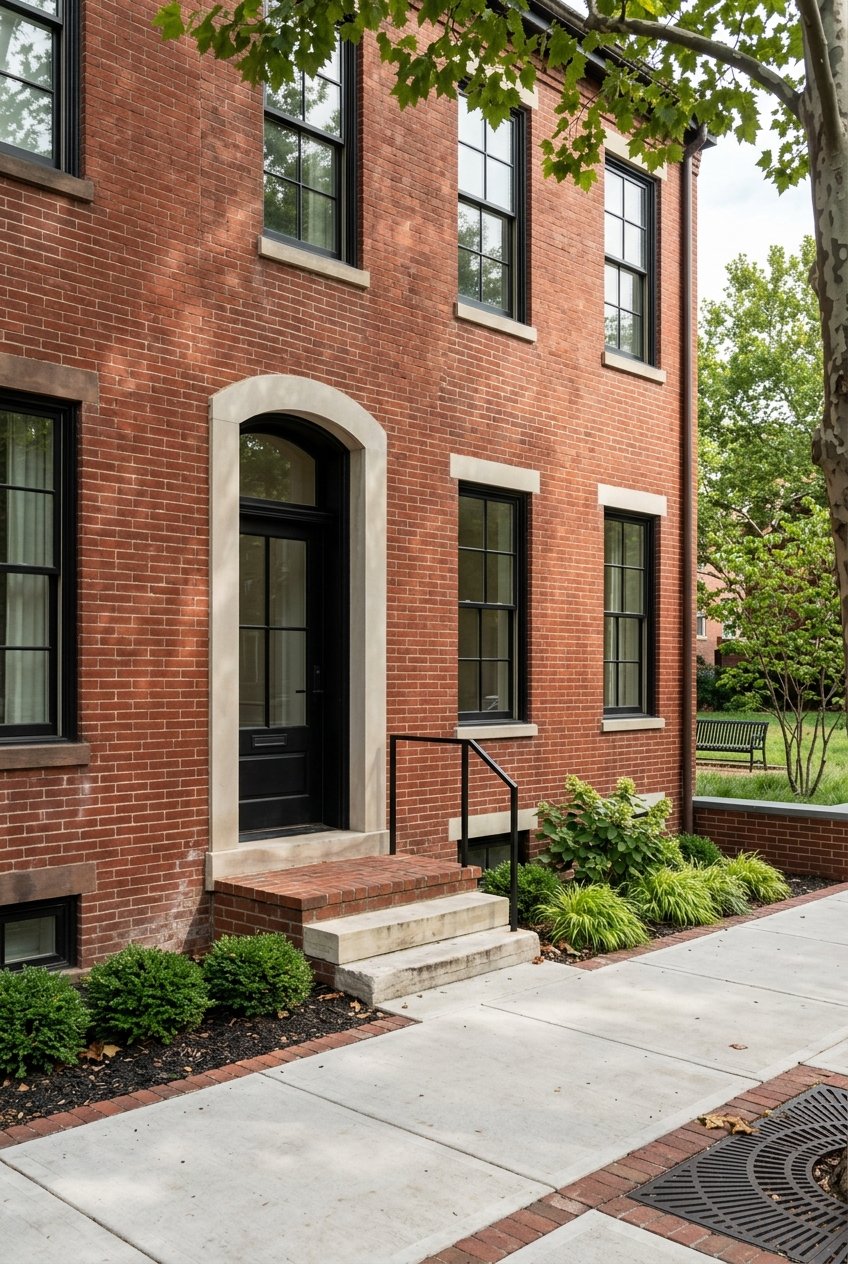
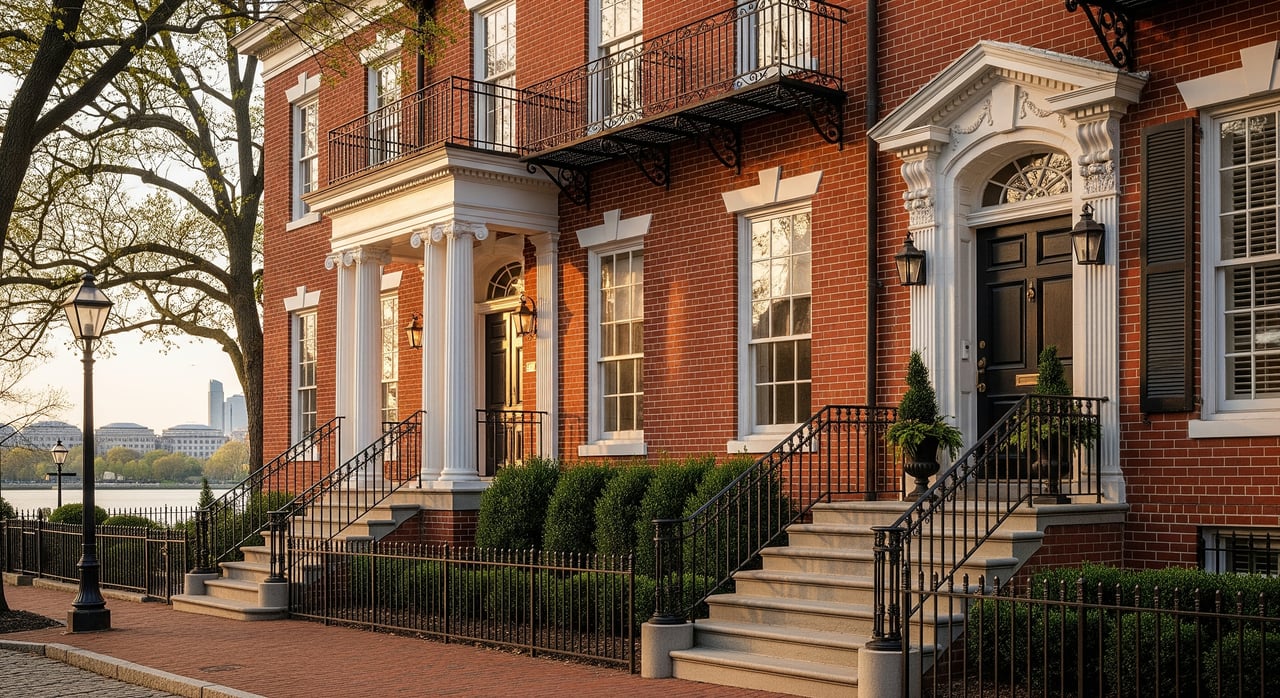
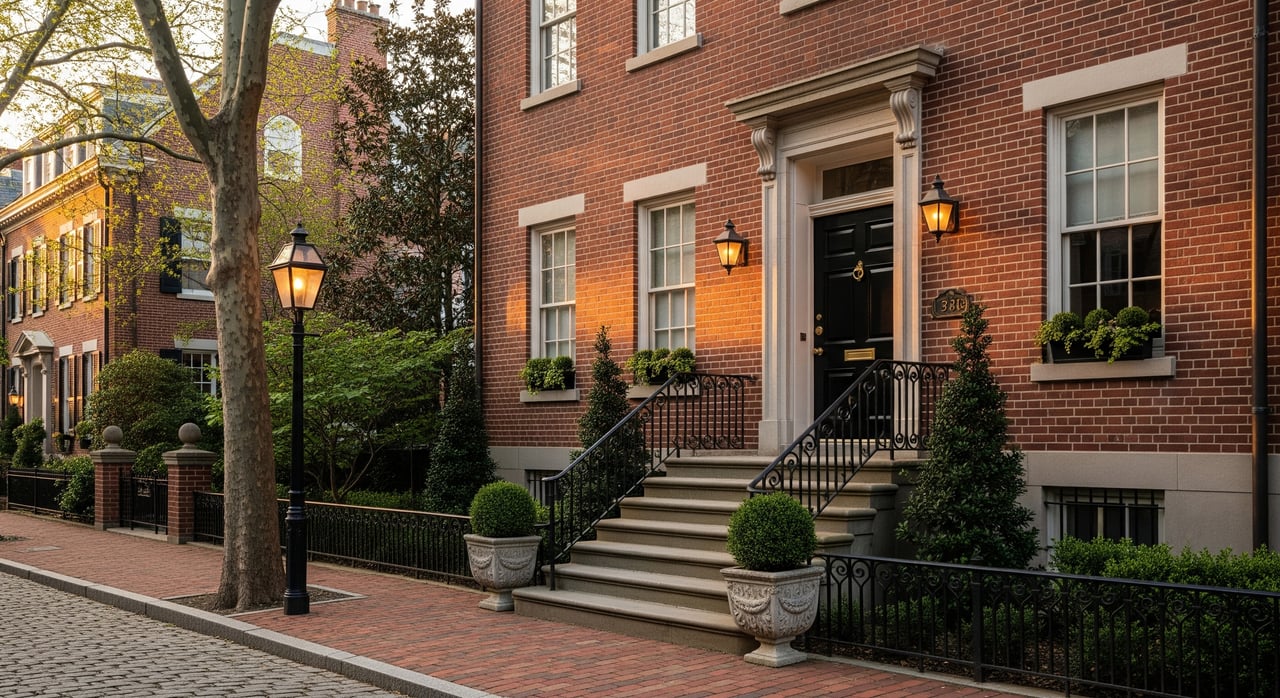
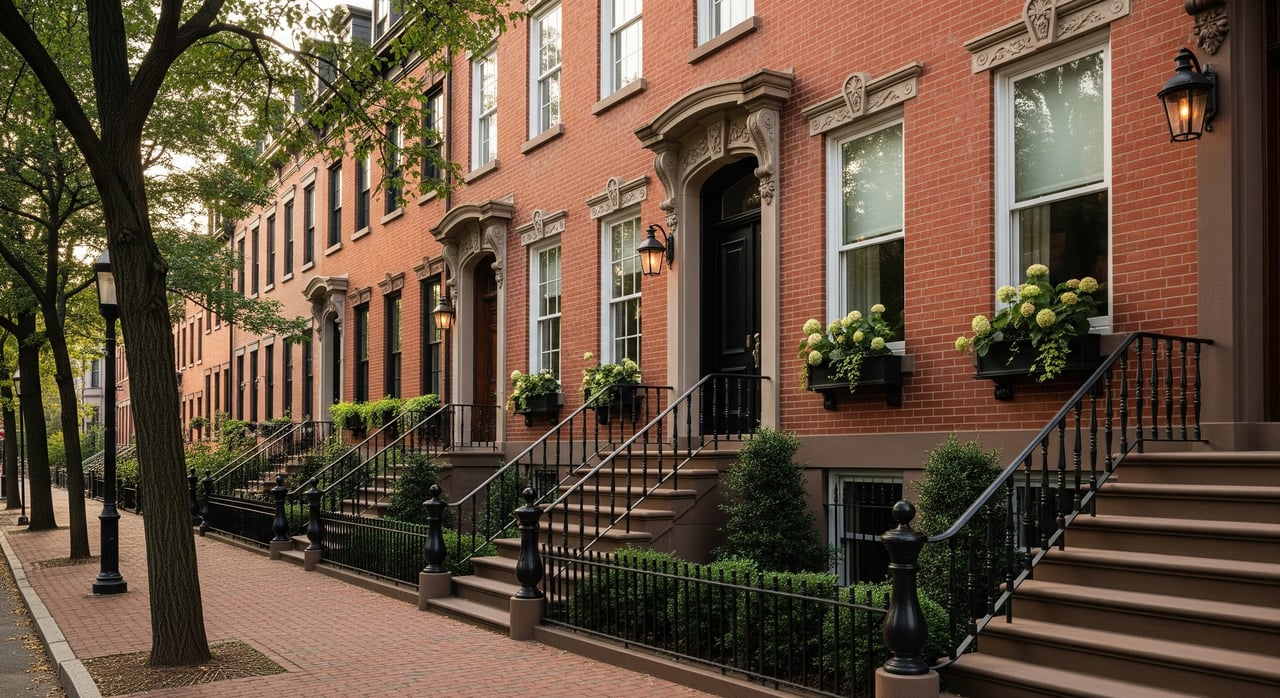
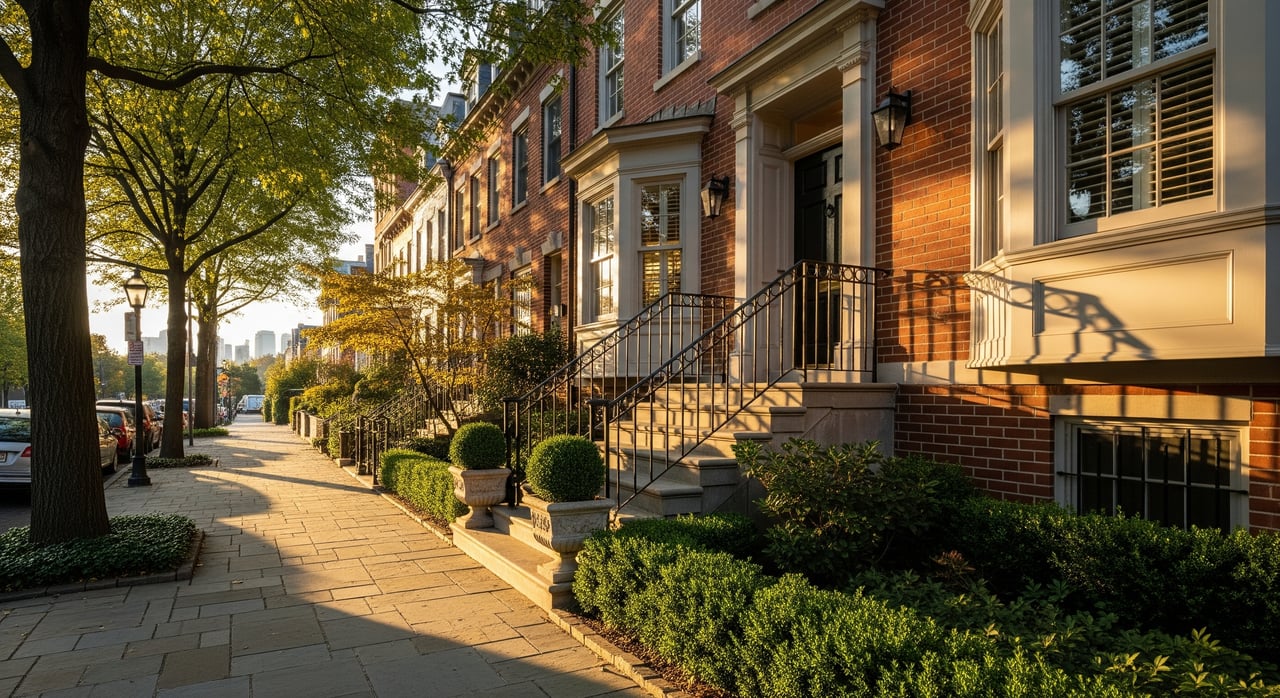
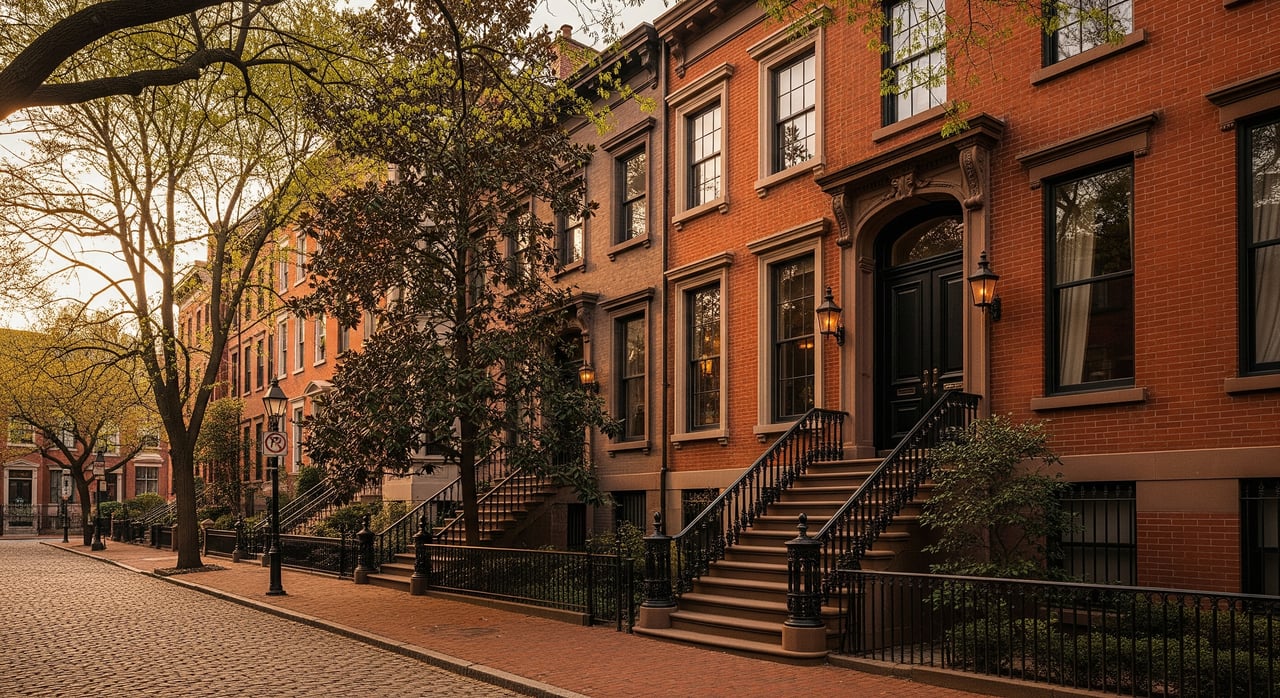
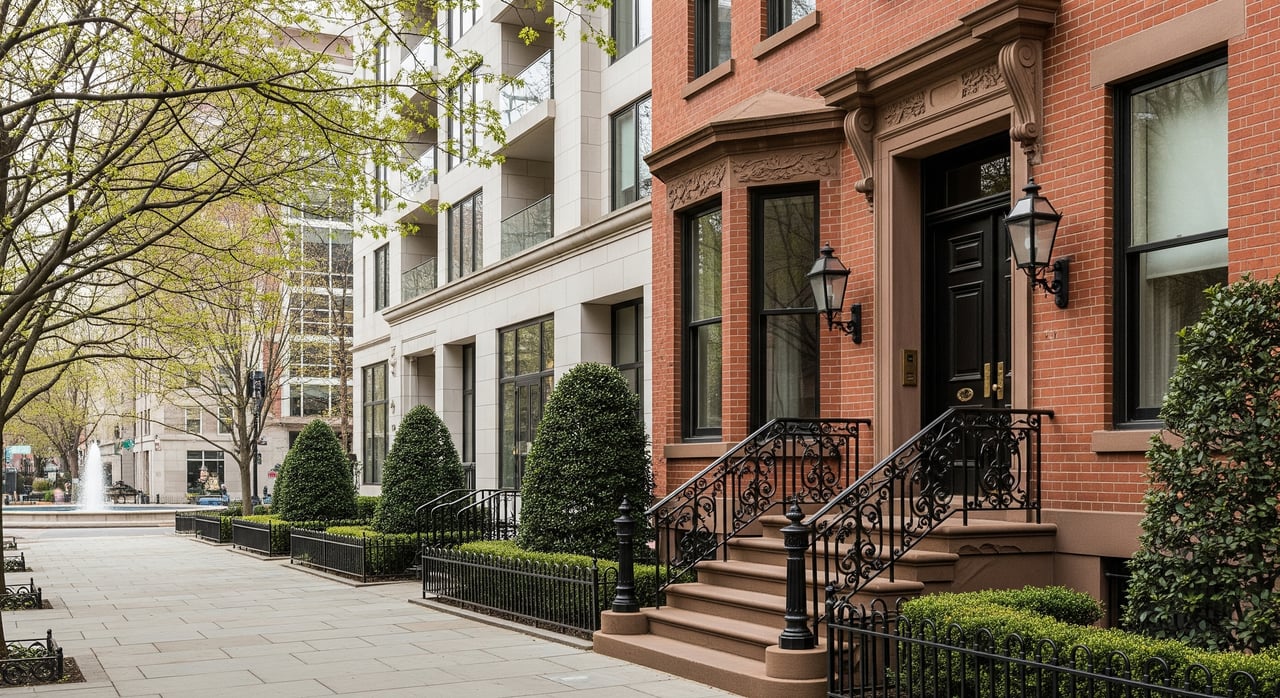
The visual identity of Capitol Hill is written in brick. Block after block of historic rowhouses turn the neighborhood into an open-air museum of late-18th- through early-20th-century domestic architecture. For a buyer, owning here means owning a piece of that history. For a seller, the architectural style of your home is one of the most powerful levers in your marketing.
Three styles dominate, and each attracts a distinct buyer:
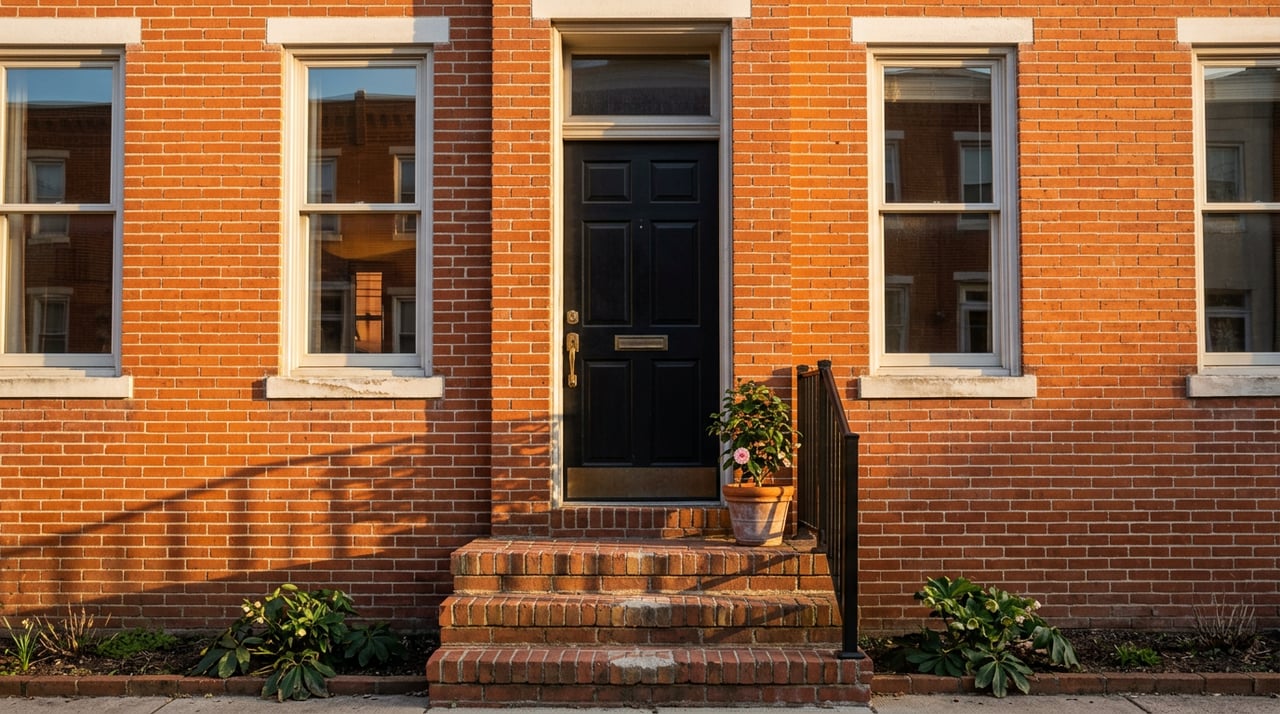
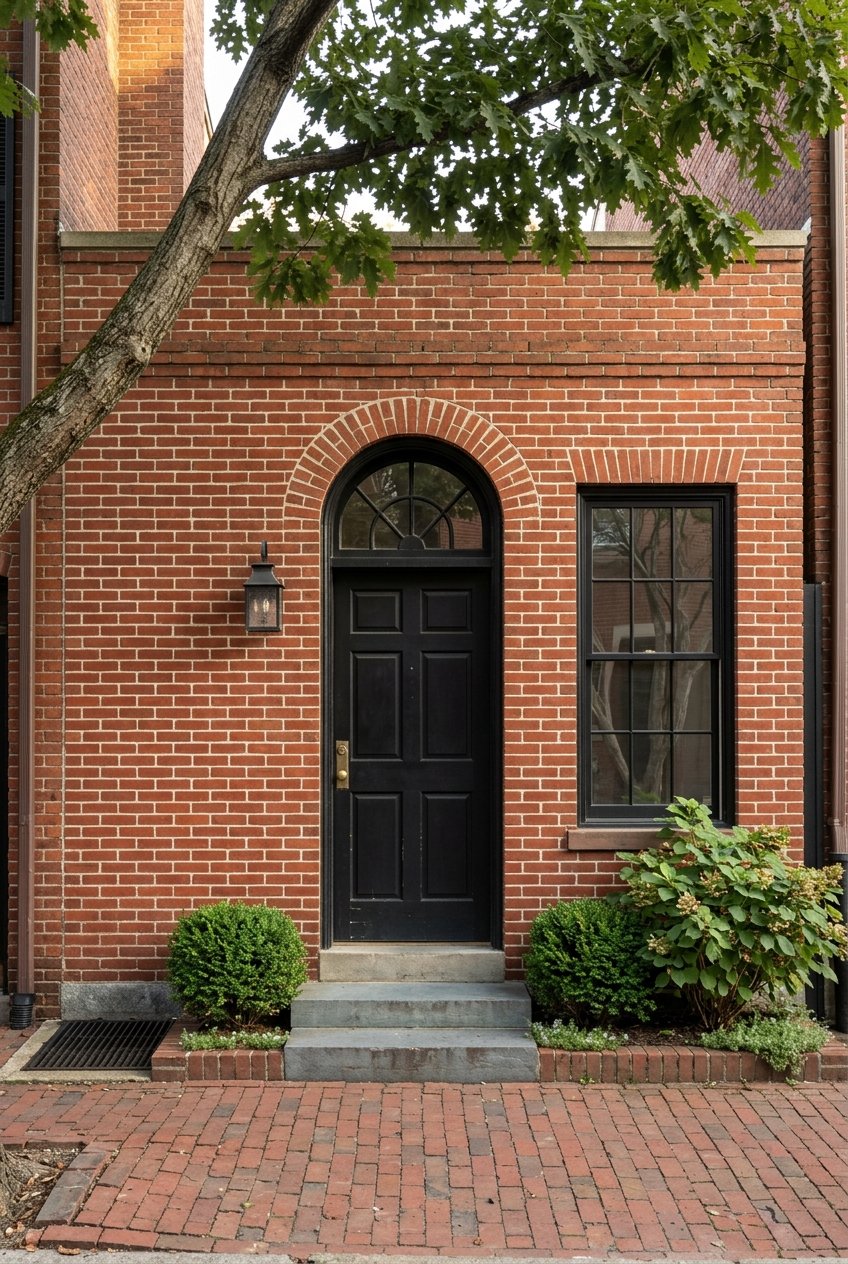
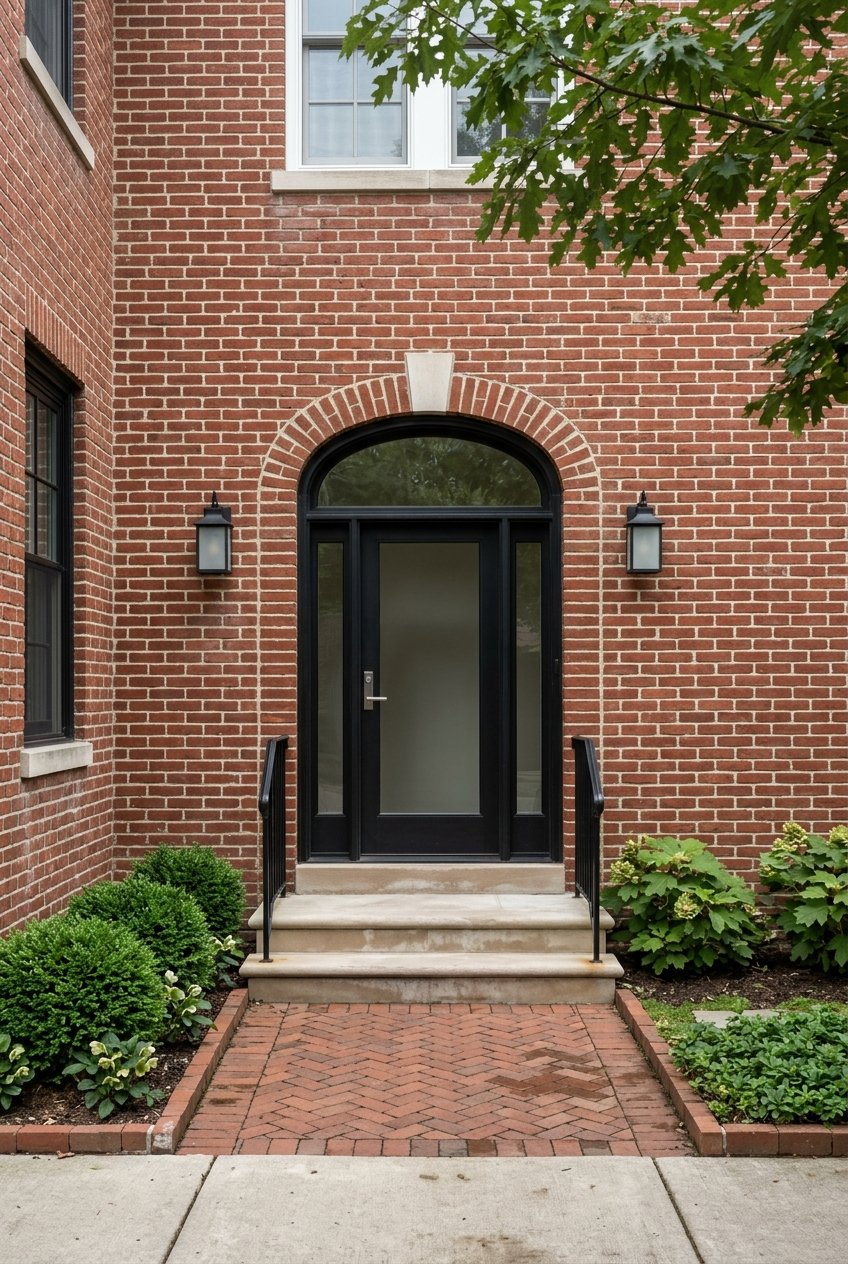
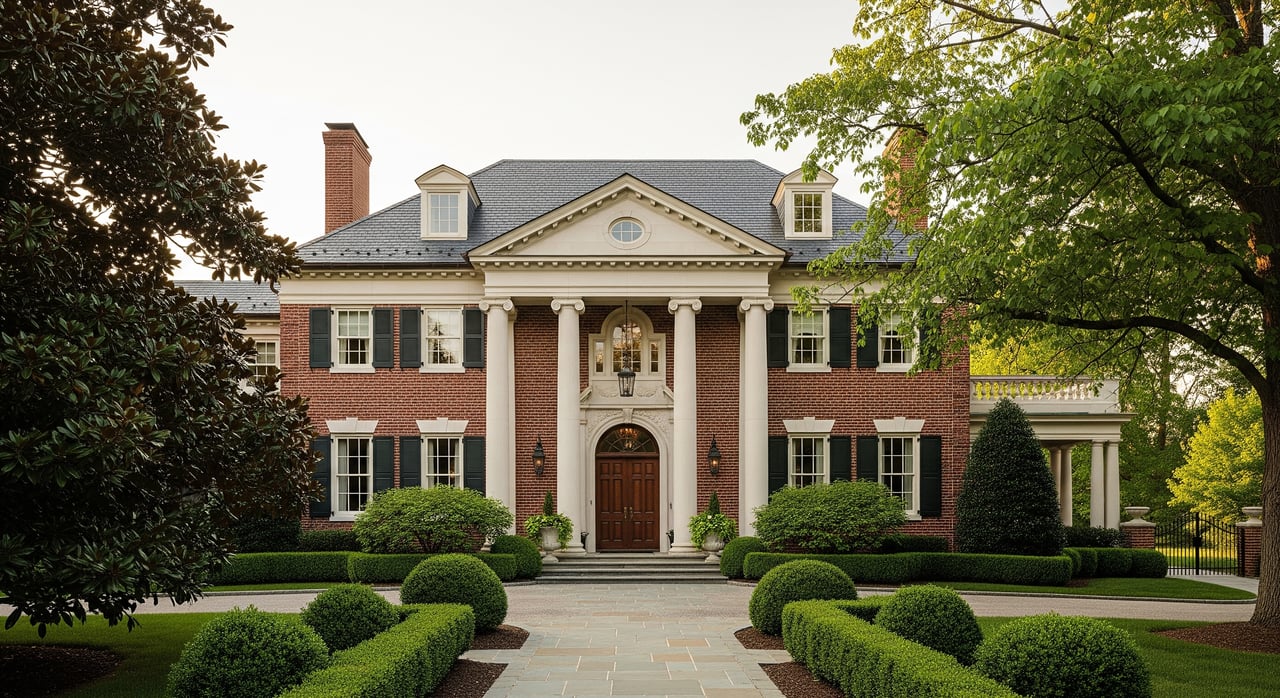
Federal style (late 1700s to the 1840s) is the oldest and most restrained. These homes favor symmetry and simplicity — flat brick façades, clean rectangular windows with stone lintels, and modest entries, often topped by a graceful fanlight above the door. Their appeal is purity and pedigree; they draw buyers who love historic character without ornamentation.
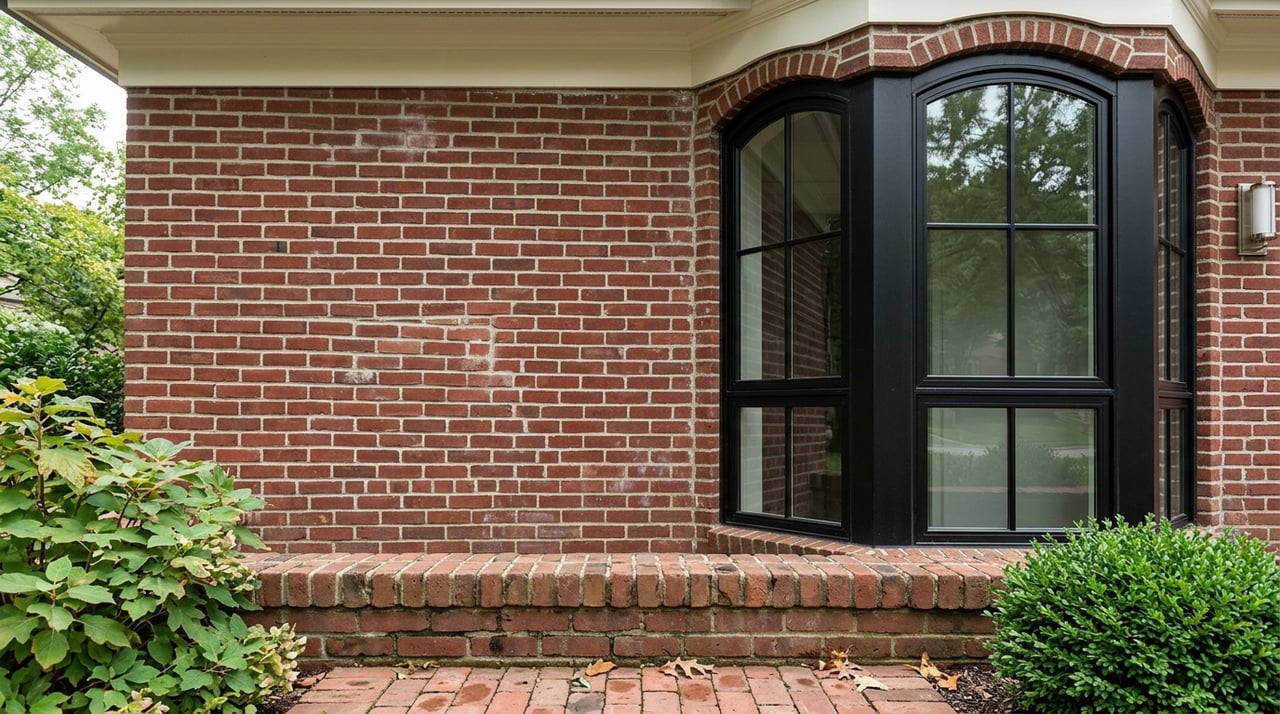
Victorian style (1860s–1900s) is the opposite of restraint. Exuberant and highly detailed, Victorians bring asymmetrical façades, decorative brickwork, bay windows, turret-style corners, and ornate porches. Inside, they offer the drama buyers fall for: soaring ceilings, original plaster moldings, and elaborate fireplace mantels. These homes sell on curb appeal and "character."
Italianate style (1850s–1880s) feels stately and grand, inspired by Italian villas. Look for tall, narrow, often-arched windows, deeply bracketed overhanging cornices, and grand stoops. Those tall windows are a genuine selling point in rowhouse living, flooding interiors with the natural light that dense blocks can otherwise lack.
With roughly 8,000 contributing structures, the Capitol Hill Historic District is the largest historic district in Washington, D.C., and one of the largest residential historic districts in the entire United States. That designation is what protects the neighborhood's beauty from out-of-scale, incompatible redevelopment — but it also sets rules that every owner and buyer needs to understand.
In a historic district, the exterior of your home is a matter of public interest. Exterior modifications, additions, or demolitions must be reviewed and approved by preservation authorities such as the D.C. Historic Preservation Review Board (HPRB) and the Historic Preservation Office (HPO). Two principles govern almost everything:
Visibility determines scrutiny. Work on the front façade is tightly regulated — you generally cannot alter window openings, remove historic porches, or change original brickwork without strict review. The rear of the house is far more flexible; additions or alterations that can't be seen from a public street or right-of-way are treated much more leniently, which is where most modern updates happen.
Repair is preferred over replacement, and replacement must be "in-kind." That has practical consequences: cheap vinyl replacement windows are not permitted on the historic façade, where you'll typically need wood windows matching the original profile and pane configuration. Unpainted historic brick must stay unpainted, sandblasting is forbidden because it destroys the brick's protective surface, and repointing must use softer, historically accurate lime-based mortar rather than modern Portland cement, which can crack old brick.
For sellers, this is where strategy matters. To an uninitiated buyer, "historic district" can sound like endless red tape, and that anxiety can suppress offers. The smart move is to demystify the process: provide a pre-approved architectural concept, a clear summary of what's permissible at the rear of the property, or quotes from contractors experienced in historic preservation. Doing that homework for the buyer protects your bottom line.
If one place defines Capitol Hill life, it's Eastern Market. Operating continuously since 1873, it isn't just a neighborhood amenity — it's a cultural anchor no other community in the DMV can claim. While other areas have master-planned developments or temporary pop-ups, the Hill has a permanent, historic public market at its heart.
Inside the historic brick South Hall, multi-generational merchants sell six days a week — butchers, fishmongers, cheesemongers, and bakers who become familiar faces. It's where a Tuesday-morning stack of blueberry buckwheat pancakes from Market Lunch is as routine as sourcing fresh cuts for a dinner party. Grocery shopping here is a community ritual, not a chore.
On weekends, the market spills outdoors, closing surrounding streets to make room for regional farmers, fine artists, woodworkers, and antique dealers. For residents, this is the ultimate built-in weekend luxury: a social hour where neighbors cross paths, kids play on the renovated Eastern Market Metro Plaza, and you can stock the pantry and decorate the house without leaving a three-block radius. From a real estate standpoint, proximity to Eastern Market is one of the most consistent drivers of premium value on the Hill.
Running south from Pennsylvania Avenue toward the Navy Yard, Barracks Row (8th Street SE) is the neighborhood's commercial and culinary spine. Named for the historic Marine Barracks — the oldest continuously active post in the U.S. Marine Corps — the corridor blends deep military heritage with a genuinely destination-worthy dining scene.
Barracks Row punches well above its size on food. It's anchored by icons like Chef Aaron Silverman's Rose's Luxury, which helped reintroduce whimsical, Michelin-recognized fine dining to a cozy converted-townhouse setting. The street also runs deep on global flavors — Ambar, famous for its limitless Balkan small plates, sits alongside well-regarded Belgian, Indian, and Mediterranean spots. For daytime energy, sought-after casual staples like Call Your Mother deli keep the morning crowds steady.
Evenings here are sophisticated rather than rowdy. Unlike the club-heavy corridors of Northwest D.C., nightlife on the Hill revolves around intimate pubs, low-key rooftops, cozy wine bars, and versatile spots that pair comfort food with live entertainment. It fits the neighborhood's demographic perfectly: high-powered professionals, families, and longtime residents who want a great cocktail or an excellent glass of wine without the pretense.
Capitol Hill is densely built, yet it never feels like a concrete grid — and that's by design. Pierre L'Enfant's original 1791 plan for Washington deliberately broke the street grid with pocket parks, traffic circles, and grand squares. The result is a beautifully distributed network of green space; you're rarely more than two or three blocks from a canopy of mature trees.
Four parks define daily life on the Hill, each with its own personality. Lincoln Park is the crown jewel — the largest on the Hill, with two broad lawns flanked by monuments to Abraham Lincoln and Mary McLeod Bethune. It functions as the neighborhood's backyard, full of off-leash dogs, picnickers, and kids on bikes. Stanton Park anchors the northern half, centered on a statue of Revolutionary War general Nathanael Greene; families favor it for its enclosed playground and rows of cherry blossoms that rival the Tidal Basin without the tourist crowds. Marion Park, further south toward Navy Yard, is a shaded, laid-back oasis popular with joggers and fitness groups. And Folger Park, just blocks from the Capitol, is the quiet one — deep shade, stone walls, and benches built for a book and a morning coffee.
In real estate, location is everything — and Capitol Hill holds one of the most powerful, recession-resistant locational advantages anywhere in the world. Living here means sharing a property line with the literal seats of American power: the U.S. Capitol, the Supreme Court, the Library of Congress, and the House and Senate office buildings, most within a 5-to-15-minute walk.
For political, legal, and federal professionals, that proximity erases the concept of a daily commute. Members of Congress, senior staffers, court clerks, and agency officials can walk from their rowhouses to the office in minutes. In a line of work defined by late-night votes, sudden hearings, and emergency sessions, being able to walk home past midnight — without a delayed train or a surge-priced rideshare — is a genuine quality-of-life upgrade.
That same proximity creates an unusually durable advantage for sellers. While other D.C. neighborhoods feel the pull of shifting corporate remote-work trends, the legislative branch and federal government require a physical presence. The demand for homes within walking distance of the Capitol dome stays fixed — from a junior staffer seeking a one-bedroom condo to a political consultant buying a Victorian estate to host fundraisers. That steady, motivated buyer pool is a meaningful part of why Hill real estate remains one of the safer long-term investments in the region.
Capitol Hill was laid out long before the automobile, and it shows in the best way: this is one of the most walkable, transit-connected neighborhoods in the entire Washington region. For residents, a car is genuinely optional; for sellers, the transit grid is a major selling point.
Three Metro stations bracket and bisect the neighborhood, each serving a different need. Eastern Market Station (Blue/Orange/Silver) sits in the commercial heart of the neighborhood and offers an easy ride downtown, to Rosslyn, and out to the Northern Virginia tech corridors. Capitol South Station (Blue/Orange/Silver) is steps from the House and Senate office buildings — the primary hub for Hill staffers and federal workers. And Union Station, on the northern edge, is the region's ultimate transportation hub, linking residents to the Red Line and serving as a launchpad for Amtrak, MARC (to Baltimore), and VRE (to Virginia).
Day to day, though, life on the Hill is measured in footsteps. With a Walk Score that consistently lands in the mid-to-high 90s, wide brick sidewalks shaded by mature trees make walking a pleasure rather than a utility — whether you're heading to Trader Joe's or Whole Foods, meeting friends on Barracks Row, or strolling to a pocket park.
For families putting down roots, the strength of the local school options is one of the biggest reasons they stay on the Hill long-term. The neighborhood offers a strong mix of public, charter, and private choices.
On the public side, Capitol Hill is home to some of the most sought-after traditional elementary schools in the D.C. Public Schools (DCPS) system, known locally as the "Hill Cluster" and defined by deep parental involvement. Brent Elementary is well regarded for academics and a tight community feel; Maury Elementary is known for its modern campus and strong early-childhood programs; and Peabody (part of the Capitol Hill Cluster) specializes in early childhood before students matriculate to Watkins Elementary for grades 1–5 and Stuart-Hobson Middle School for grades 6–8.
Families seeking specialized or lottery-based options often look to the charter network, including Two Rivers Public Charter School, which uses an Expeditionary Learning, project-based model, and Lee Montessori Public Charter School, offering tuition-free Montessori education. On the private side, Capitol Hill Day School (Pre-K through 8th) is known for treating the neighborhood and city as an extended classroom, while St. Peter School offers a traditional Catholic Pre-K-through-8 curriculum just blocks from the Capitol.
Selling on the Hill rewards a sharp, localized strategy. The market is resilient but deliberate — buyers are well-funded yet cautious — so the levers that drive value depend heavily on your specific property type and on how well you navigate the neighborhood's historic oversight.
Because Capitol Hill is the largest residential historic district in the U.S., any exterior work visible from a public right-of-way triggers preservation review, and that directly affects both your timeline and your bottom line. Three points matter most:
There's a real return on "in-kind" maintenance. If your rowhouse needs exterior attention before listing, resist the temptation to cut corners — modern, non-compliant replacements like vinyl windows get flagged and can delay your sale. Properly repaired wood windows, lime-based repointing, and a freshly maintained Victorian cornice pay dividends, because buyers pay a premium for a historic exterior that's already been cared for correctly.
There's a disclosure advantage, too. An unpermitted exterior modification — a non-compliant rear deck or an alley-visible basement entrance — can spook buyers during inspection or closing. A pre-listing audit, plus an organized packet of approved HPO certificates and Department of Buildings permits, eliminates that friction before it starts.
And if you're selling "potential," sell it safely. Don't just market a home as having "room to expand." Savvy buyers know HPRB reviews can run three to six months. Work with an architect to pull basic zoning footprints, or point to what neighbors on your block have already built, to prove the concept is viable under historic guidelines.
Then match your strategy to your property type. Single-family homes and rowhouses remain highly competitive thanks to the rate-lock effect; if yours is move-in ready, expect intense interest, short days on market, and a real shot at multiple offers near or above list. Condos and co-ops are a different game — with more inventory and longer decision windows, success comes from staging beautifully, pricing realistically from day one, and using strategic concessions (a rate buy-down, prepaid HOA dues) rather than reactive price cuts.
Choosing a neighborhood is about matching your daily rhythm to the community's footprint. Capitol Hill offers an unusually rich lifestyle, but its urban character comes with honest trade-offs.
The strengths are substantial. The commute — or the lack of one — is an elite perk for anyone working in government, law, or policy. The community identity is genuine, from Saturday mornings at Eastern Market to evening walks along Barracks Row, and the neighborhood feels like a small town inside a powerful city. You're investing in finite, protected historic real estate, where strict preservation rules guarantee the area's beauty won't be overrun by out-of-scale high-rises. And the green space is everywhere, thanks to L'Enfant's deliberate scattering of pocket parks.
The trade-offs are equally real. Real estate here commands a premium, and maintaining a 100-plus-year-old historic home requires a real budget for specialty contractors who understand historic brick and woodwork. Urban space is constrained — rowhouses offer grand vertical living but often lack expansive yards or multi-car garages, and parking is largely a street-permit game. And if your dream is to gut a fixer-upper into a glass-front modern statement, the Historic Preservation Review Board will quickly ground that plan.
The verdict: Capitol Hill is ideal for the civic-minded professional, the urban foodie, and the historic-preservation lover — individuals and families who want a walkable, community-driven life where they can walk to a memorable dinner, chat with their local butcher, and pass the illuminated Capitol dome on an evening stroll. It's for people who see a home not just as square footage, but as a piece of living history.
Whether you're weighing a sale, sizing up a historic rowhouse versus a modern condo, or simply trying to understand what your home could command in today's market, having a local expert in your corner makes all the difference — especially in a neighborhood where preservation rules and a two-speed market reward those who know the terrain.
Treasury Homes is a DC and Northern Virginia team specializing in Capitol Hill, Dupont Circle, Georgetown, Arlington, McLean, Fairfax, and Oakton, with deep experience across residential, luxury, condominium, and investment properties. The team pairs a consultative, no-pressure approach with the marketing and pricing strategy needed to position a historic-district home correctly from day one. If you'd like a candid read on your home's value or a walkthrough of what selling on the Hill actually involves, reach out — consider this an open invitation to a conversation, not a sales pitch.
Treasury Homes · 6849 Old Dominion Dr, Ste 400, McLean, VA 22101 Toby Lim, Team Lead — (703) 479-9479 · [email protected] Jessica Bauer, Operations Manager — (707) 344-0408 · [email protected] Request a free home valuation at treasuryhomesdmv.com/home-valuation
There's plenty to do around Capitol Hill, including shopping, dining, nightlife, parks, and more. Data provided by Walk Score and Yelp.
Explore popular things to do in the area, including Speedy Snack, DC Falafel, and Little Engine .
| Name | Category | Distance | Reviews |
Ratings by
Yelp
|
|---|---|---|---|---|
| Dining | 1.57 miles | 52 reviews | 4.9/5 stars | |
| Dining | 0.57 miles | 29 reviews | 4.9/5 stars | |
| Dining | 0.17 miles | 26 reviews | 4.8/5 stars | |
| Dining | 3.49 miles | 96 reviews | 4.8/5 stars | |
| Shopping | 0.57 miles | 11 reviews | 5/5 stars | |
| Shopping | 0.93 miles | 12 reviews | 5/5 stars | |
| Shopping | 3.65 miles | 7 reviews | 4.9/5 stars | |
| Shopping | 2.57 miles | 13 reviews | 4.8/5 stars | |
| Active | 1.32 miles | 10 reviews | 5/5 stars | |
| Active | 1.62 miles | 77 reviews | 4.9/5 stars | |
| Active | 0.47 miles | 8 reviews | 4.9/5 stars | |
| Nightlife | 1.32 miles | 10 reviews | 4.9/5 stars | |
| Beauty | 0.79 miles | 16 reviews | 5/5 stars | |
| Beauty | 0.22 miles | 10 reviews | 5/5 stars | |
| Beauty | 2.29 miles | 15 reviews | 5/5 stars | |
| Beauty | 0.22 miles | 12 reviews | 5/5 stars | |
| Beauty | 3.03 miles | 82 reviews | 5/5 stars | |
| Beauty | 1.49 miles | 41 reviews | 5/5 stars | |
| Beauty | 2.72 miles | 51 reviews | 5/5 stars | |
| Beauty | 0.34 miles | 33 reviews | 4.9/5 stars | |
| Beauty | 3.19 miles | 36 reviews | 4.9/5 stars | |
| Beauty | 1.4 miles | 125 reviews | 4.8/5 stars | |
| Beauty | 0.66 miles | 105 reviews | 4.8/5 stars | |
|
|
||||
|
|
||||
|
|
||||
|
|
||||
|
|
||||
|
|
Capitol Hill has 13,563 households, with an average household size of 2. Data provided by the U.S. Census Bureau. Here’s what the people living in Capitol Hill do for work — and how long it takes them to get there. Data provided by the U.S. Census Bureau. 28,742 people call Capitol Hill home. The population density is 25,602.203 and the largest age group is Data provided by the U.S. Census Bureau.
Total Population
Population Density Population Density This is the number of people per square mile in a neighborhood.
Median Age
Men vs Women
Population by Age Group
0-9 Years
10-17 Years
18-24 Years
25-64 Years
65-74 Years
75+ Years
Education Level
Total Households
Average Household Size
Average individual Income
Households with Children
With Children:
Without Children:
Blue vs White Collar Workers
Blue Collar:
White Collar: