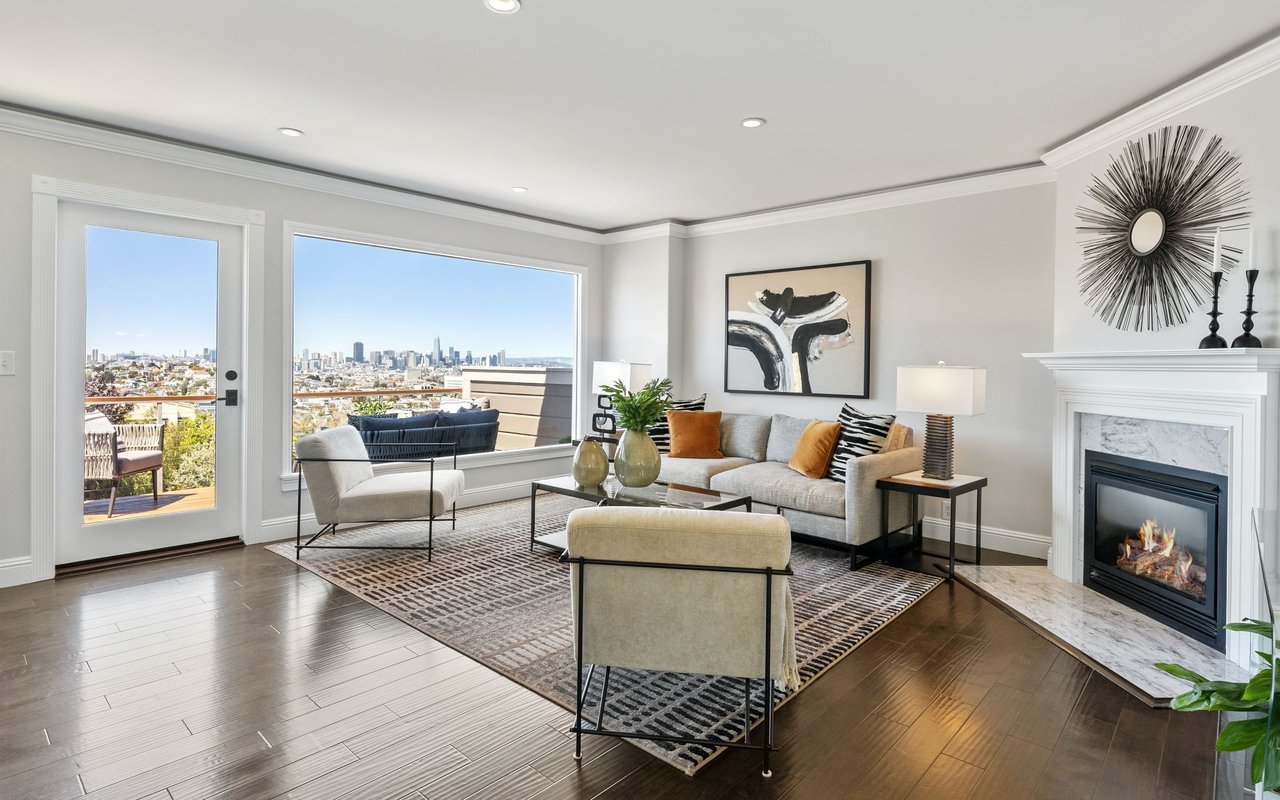
You love the energy of Dupont Circle, but condo options and fees can feel like a maze. You’re not alone. Between historic conversions, mid-rise buildings, and newer condos, costs and layouts vary a lot within a few blocks. In this guide, you’ll learn what to expect on price and monthly fees, how layouts differ by building type, and how to compare options with confidence. Let’s dive in.
Why choose Dupont Circle
Dupont Circle puts you close to Red Line Metro, cafes, restaurants, galleries, and everyday errands. The neighborhood blends historic charm with city convenience, which is why many buyers prioritize walkability here. You’ll find everything from boutique buildings to full-service residences, each with its own trade-offs on space, amenities, and cost.
Common building types
Historic conversions and rowhouses
These are older apartment houses or rowhomes that were converted to condos. You’ll often see tall ceilings, big windows, and unique floorplans. Elevators and parking are less common, and layouts can be quirky in a good way or a tricky way depending on your needs.
Mid-rise apartment-style buildings
Many of these are 4 to 8 stories with elevators and straightforward one- and two-bedroom layouts. Amenity packages are usually modest, which can help keep fees reasonable. Some were built as rentals and later converted to condos.
Newer mixed-use and high-rise condos
You’ll see more modern floorplans, in-unit HVAC, and amenity spaces like gyms and rooftops. These buildings may include garage parking and better storage. Fees are often higher to support staffing and amenities.
Co-ops and small associations
Dupont also has co-ops and very small condo associations. Co-ops have different financing and approval steps, and small associations can have unique governance and reserves. Ask your lender early about financing requirements.
Typical layouts and sizes
Studios and micro-units
Good if you want location first and low maintenance. Expect efficient kitchens and smart storage solutions. These work well if you travel often or keep a light footprint.
One-bedroom condos
The most common choice for solo buyers and couples. In older buildings, you may see separate dining rooms or enclosed kitchens. In newer buildings, layouts are more open with better closet space.
Two-bedroom condos
Popular if you need a home office or guest room. Some older two-bedrooms feel compartmentalized. Newer versions often offer en-suite baths and walk-in closets.
Three-bedroom and larger
Less common in Dupont’s core. Larger units tend to appear in newer buildings or combined units in historic conversions. If you need more space, expect fewer choices and higher prices.
Layout traits: older vs. newer
- Older: compartmentalized rooms, formal dining, smaller closets, potential walk-ups, and high ceilings.
- Newer: open kitchen-living areas, larger closets, in-unit laundry, and better sound insulation.
Parking, storage, and extras
On-site parking is limited in many historic buildings. Deeded or assigned spots can add significant cost and resale value. Newer condos are more likely to offer garage parking, bike storage, and package rooms.
- Ask if parking conveys, can be leased, or is a separate deeded space.
- Confirm storage availability and size, plus any fees.
- Check bike storage rules and guest parking options.
The true cost of ownership
Understanding all cost categories helps you compare buildings apples-to-apples.
Purchase price and price per square foot
Price per square foot swings a lot based on age, amenities, and exact location. Compare within the same building type when you can. Small but well-designed units in prime spots can command a premium.
Property taxes in D.C.
Property taxes are based on assessed value and the residential tax rate. For parcel-specific estimates and appeals, review guidance from the D.C. Office of Tax and Revenue.
Mortgage and condo project approval
Condos come with project-level underwriting. Lenders look at owner-occupancy ratios, reserves, and litigation before approving loans. To understand approval standards, review Fannie Mae condo and co-op project eligibility and Freddie Mac condominium project requirements.
Monthly condo or HOA fees
Fees can be a large part of your monthly cost. Always check what they include.
What fees usually cover:
- Building master insurance and common-area utilities
- Reserve fund contributions and major systems upkeep
- Common area cleaning, maintenance, and repairs
- Elevators, security systems, landscaping, snow removal
- On-site staff where applicable, plus management fees
- Water and sewer, and sometimes heat or gas depending on metering
- Amenity upkeep like a gym, package room, roof deck, or pool
What fees often do not cover:
- In-unit repairs, appliances, and your HO-6 insurance
- Parking if it is deeded or billed separately
- Special assessments for large projects if reserves are low
- Your unit’s property taxes and individually metered utilities
Insurance
You will typically carry an HO-6 policy for your interior finishes, personal property, and liability. The building’s master policy covers common elements. Confirm coverage limits and deductibles.
Utilities
Some buildings include water and sewer, and sometimes heat or gas. Electricity, cable, and internet are often separate. Always verify metering and inclusions before you write an offer.
Older vs. newer buildings
Older buildings: what to expect
Pros include character, larger windows, and top-tier walkability. Fees can be lower if amenities are minimal. The trade-offs are older systems, thinner walls in some cases, fewer elevators, and limited parking.
- Ask about recent projects like roof, façade, elevator, or boiler work.
- Review reserves and the latest reserve study for future plans.
- Clarify who maintains in-unit systems like HVAC and hot water.
- Check for engineering reports and any notes on plumbing or electrical updates.
Newer buildings: what to expect
Pros include modern HVAC, in-unit laundry, open layouts, and richer amenity sets. You may also find structured parking and better sound control. Fees can be higher to support staff and amenities.
- Confirm what amenities are fully built and included in fees.
- If the developer still controls the board, review transition timelines and rules.
- Ask about punch-list items, warranties, and developer history.
- Review financials since newer buildings have shorter reserve histories.
Governance and key rules
Resale package and association documents
Before you commit, ask for the resale disclosure package and core documents. You want the declaration, bylaws, rules, budgets, financial statements, reserve study, and meeting minutes from the last 12 to 24 months. These reveal upcoming projects, fee changes, and any disputes.
Short-term rental rules in D.C.
Short-term rentals require local registration and must comply with District rules. Associations often have their own limits as well. For an overview of local requirements, see the D.C. Department of Buildings short-term rental guidance.
Historic preservation
Many buildings sit in or near historic districts. Exterior work and some common-area changes may require review. To learn how this can affect renovations, explore the D.C. Historic Preservation Office.
Buyer checklist for showings
Use this quick checklist to compare options with clarity.
Pre-offer document requests:
- Resale disclosure packet and association rules
- Current budget, last 2 to 3 years of financials, and latest reserve study
- Meeting minutes for 12 to 24 months
- Master insurance certificate and policy summary
- Records of recent capital projects or engineering reports
Questions to ask during a visit:
- Which utilities are included in the monthly fee?
- How well funded are reserves and when was the last reserve study?
- Any planned projects or pending special assessments?
- Is the building self-managed or professionally managed?
- Are parking or storage spaces available for sale or lease?
- What is the subletting policy and any rental caps?
- What is the owner-occupancy ratio?
- How are packages and deliveries handled?
Red flags to watch for:
- Missing reserve study or incomplete financials
- Frequent or large surprise assessments
- Ongoing litigation or high board turnover
- Repeated complaints in minutes about basic services
Amenities and lifestyle trade-offs
Amenities drive fees and convenience. Decide which services you value most.
- Minimal amenities: often lower fees, but fewer services in-building.
- Basic amenities: elevator, laundry room, small storage, moderate fees.
- Full-service: concierge, package rooms, gym, roof deck, higher fees.
- Luxury new construction: highest purchase prices and fees, turnkey living.
Consider storage needs, guest hosting, and package handling. In a central neighborhood, window quality and soundproofing also matter. If you are sensitive to noise, ask about window type, floor construction, and any sound mitigation work.
How Treasury Homes supports your search
You deserve clear guidance and a smooth process from the first tour to closing. Our team reviews condo financials, reserve studies, and rules so you understand fees, risks, and long-term maintenance plans. We coordinate showings, line up lenders who know D.C. condo underwriting, and tap our vendor network for inspections and insurance.
If you are relocating, we build efficient tour routes and share neighborhood-level insights to help you compare Dupont with nearby markets like Logan Circle or the West End. If you are investing or renovating, we focus on practical ROI and exit strategies. When you are ready to see what is possible, connect with Treasury Homes for thoughtful, responsive support.
FAQs
What do Dupont Circle condo fees usually include?
- Fees often cover master insurance, reserves, common-area utilities and upkeep, and amenities; some buildings also include water, sewer, and heat, so always verify inclusions.
Do most Dupont Circle condos include parking?
- Parking is limited in many historic buildings, while newer condos are more likely to offer garage options that can be deeded or leased for an added cost.
How can I avoid surprise special assessments?
- Review the reserve study, recent financials, and meeting minutes; low reserves or deferred maintenance signal a higher risk of near-term assessments.
Can I use my Dupont condo for short-term rentals like Airbnb?
- It depends on both D.C. regulations and your association’s rules; check local licensing guidance and the condo bylaws before buying.
Are older Dupont condos noisier than newer ones?
- Construction varies, but older buildings can have thinner walls or older windows; ask about window upgrades, floor assemblies, and look for noise notes in meeting minutes.
How much should I budget for HOA or condo fees?
- Fees vary widely by building size, staffing, utilities, and amenities; compare apples-to-apples by confirming exactly what the fee covers and what is billed to you.