CONTACT
Treasury Homes
Toby Lim
Address
6849 Old Dominion Dr Ste 400
Mclean VA 22101
Mclean VA 22101
24,478 people live in Fairfax, where the median age is 37.3 and the average individual income is $62,800. Data provided by the U.S. Census Bureau.
Total Population
Median Age
Population Density
Average individual Income
Fairfax, Virginia occupies a rare position in the Washington metropolitan landscape — it is simultaneously one of Northern Virginia's most historically rooted communities and one of its most forward-looking. As both an independent city and the seat of the surrounding Fairfax County, it functions as a true urban nucleus for the entire NoVA region, drawing federal professionals, technology contractors, academics, and growing families who want proximity to D.C. without sacrificing the quality of suburban life.
What sets Fairfax apart from its neighbors is its layered identity. Drive through Old Town and you'll pass a working courthouse that dates to 1799. Turn a corner and you'll find a walkable mixed-use district anchored by acclaimed restaurants and craft breweries. This is a city that has evolved deliberately — and the residents who call it home tend to stay.
Fairfax's story begins not as a city, but as a courthouse. Established in 1805 under the name "Town of Providence," the settlement grew around the Fairfax County Courthouse, which had been completed six years earlier in 1799 and still stands as one of the city's most recognizable architectural landmarks.
The Civil War left a lasting imprint on the area. Given its position just miles from Washington, D.C., Fairfax became one of the first flashpoints of the conflict — the Battle of Fairfax Court House in 1861 is widely recognized as the first land battle of the Civil War. Confederate Captain John S. Mosby famously raided the town, and the tension between Union and Confederate forces made Fairfax a strategically contested zone throughout the war.
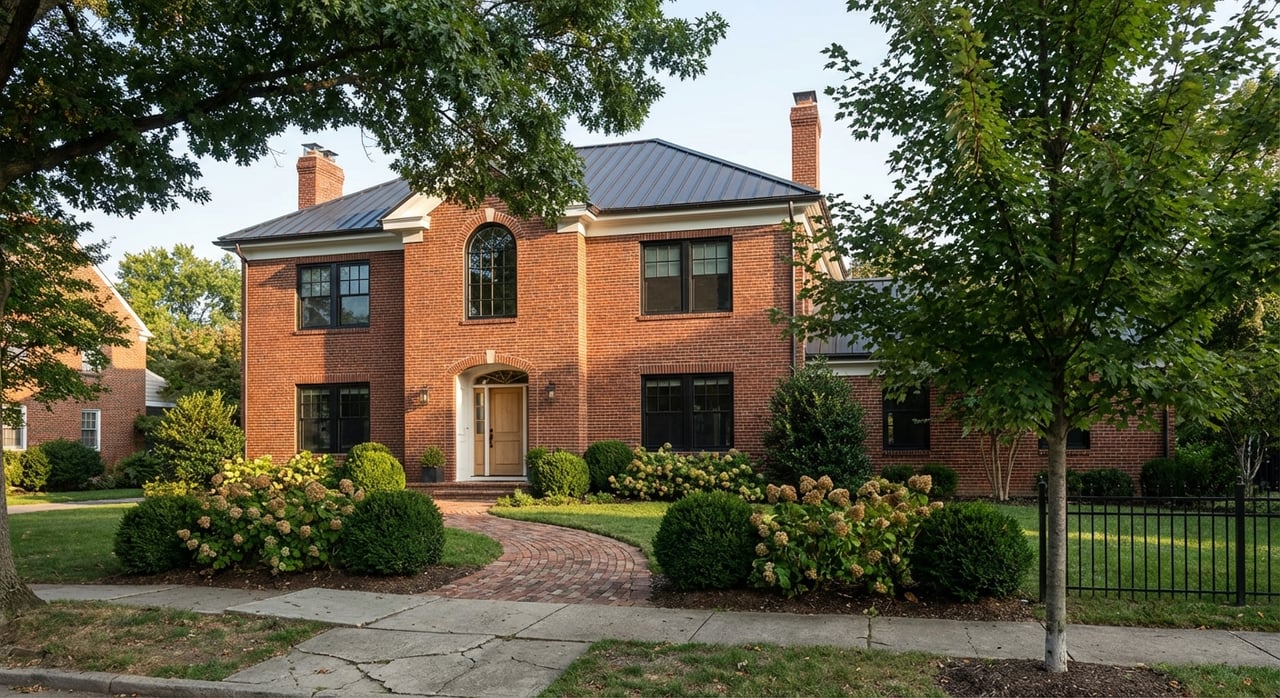
The 20th century brought a quieter but equally significant transformation. Post-war suburbanization introduced the ranchers, split-levels, and brick colonials that still define many of the city's residential streets. The arrival of George Mason University in the late 1950s changed the city's character entirely — suddenly, Fairfax had an academic anchor that attracted talent, investment, and intellectual energy. Paired with the expansion of the Dulles Tech Corridor, the former courthouse town evolved into one of Northern Virginia's most dynamic professional and academic centers.
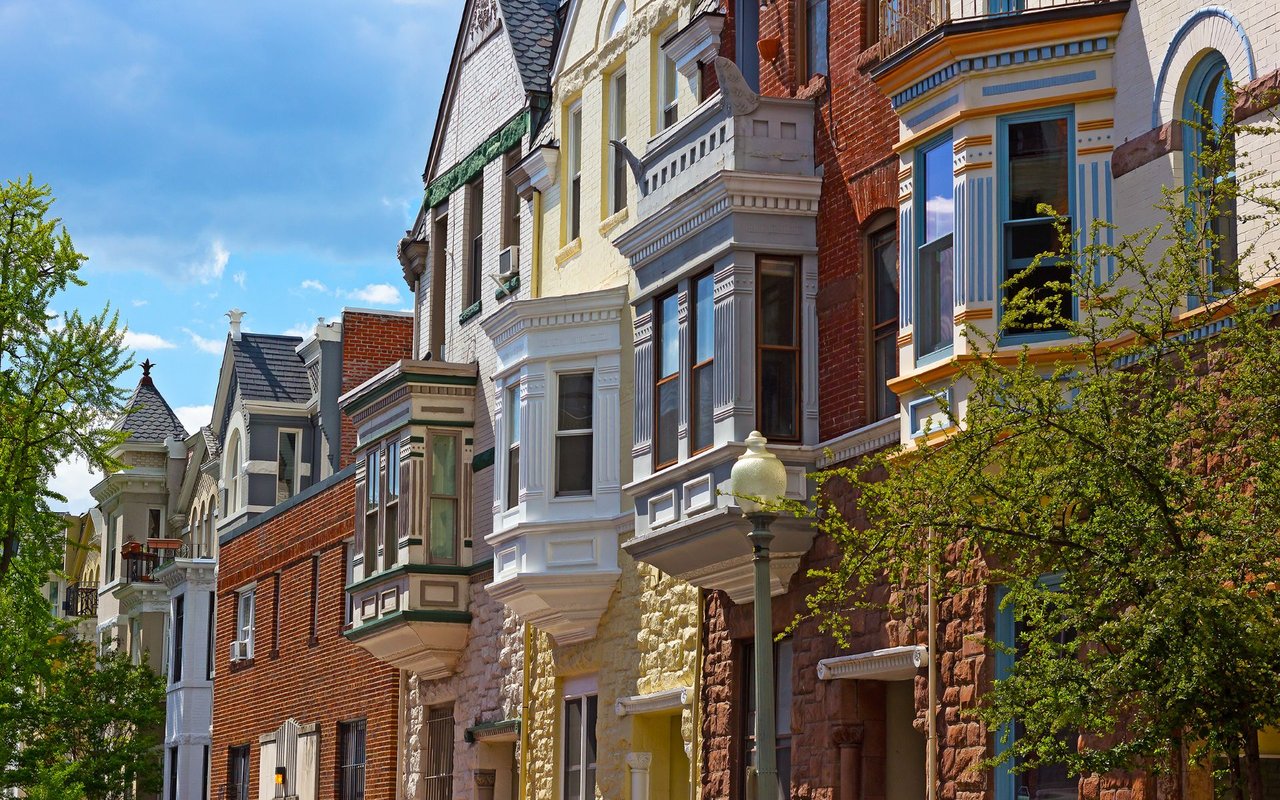
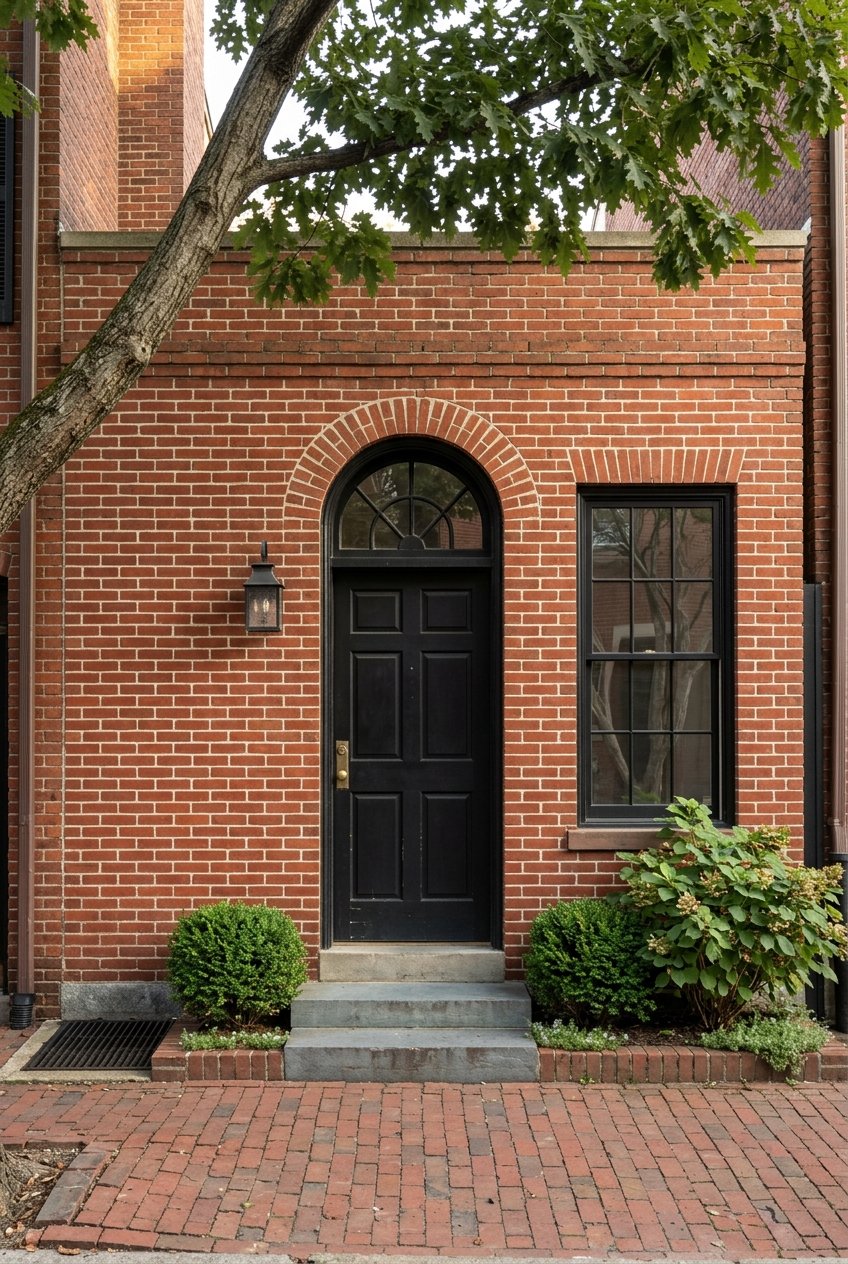
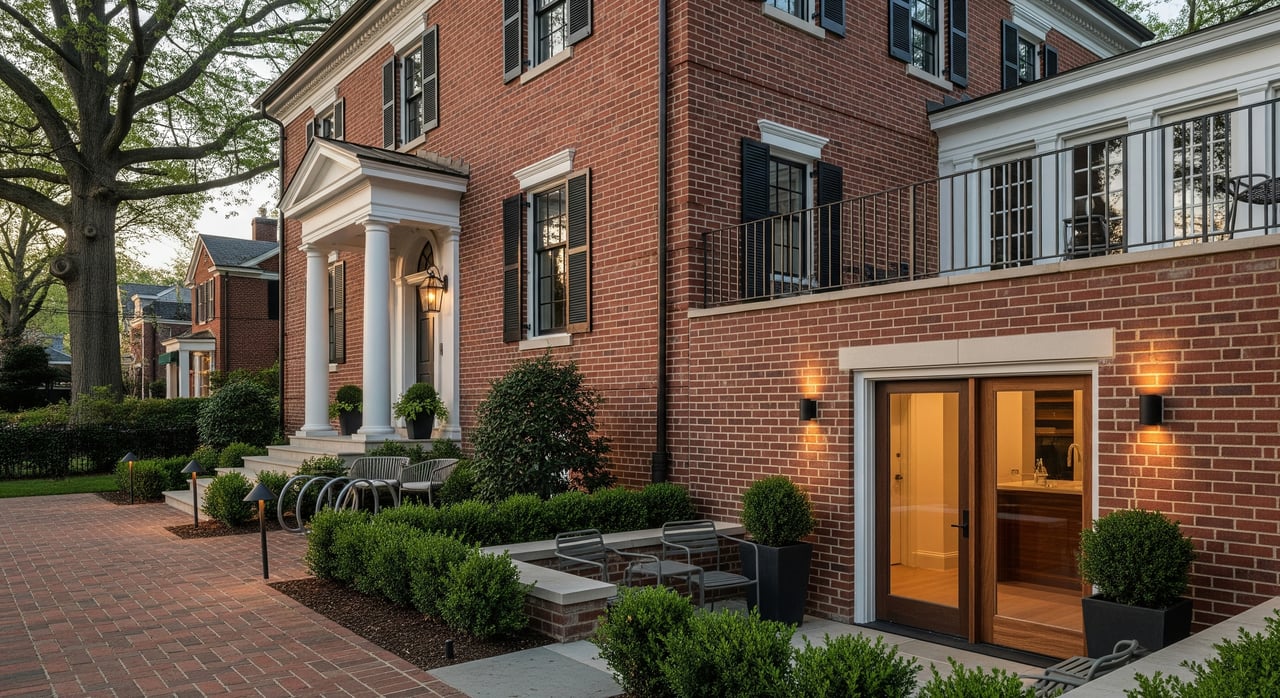
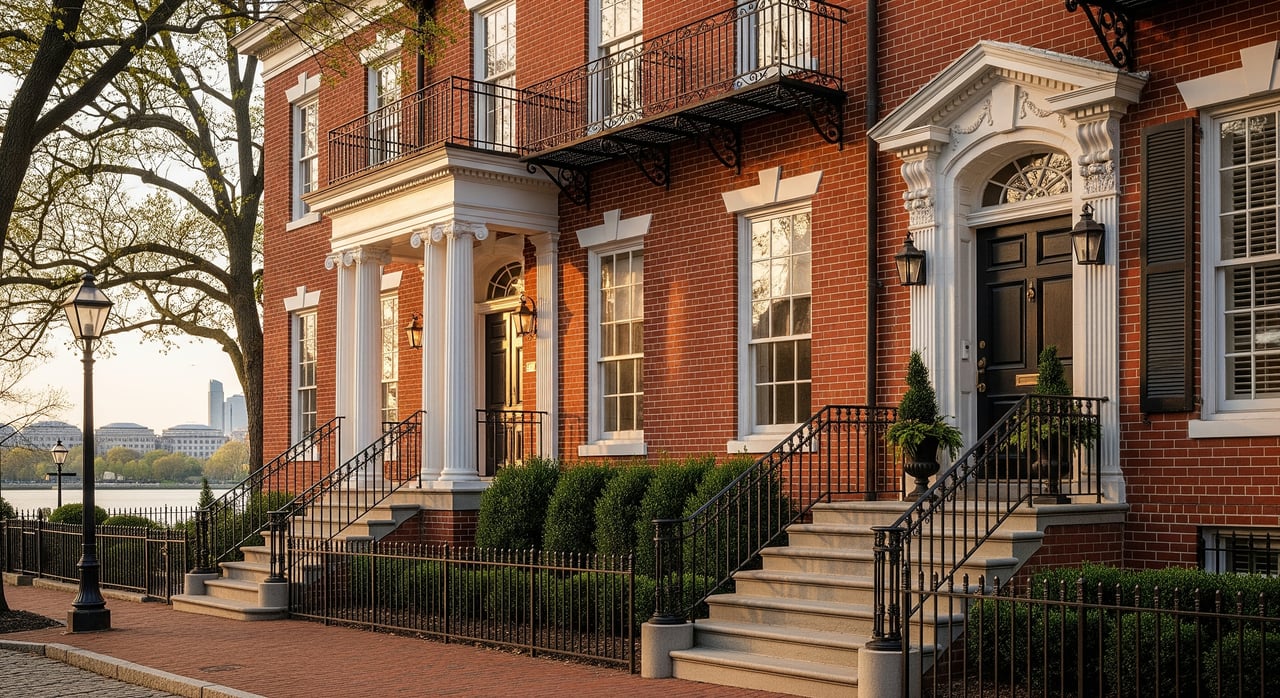
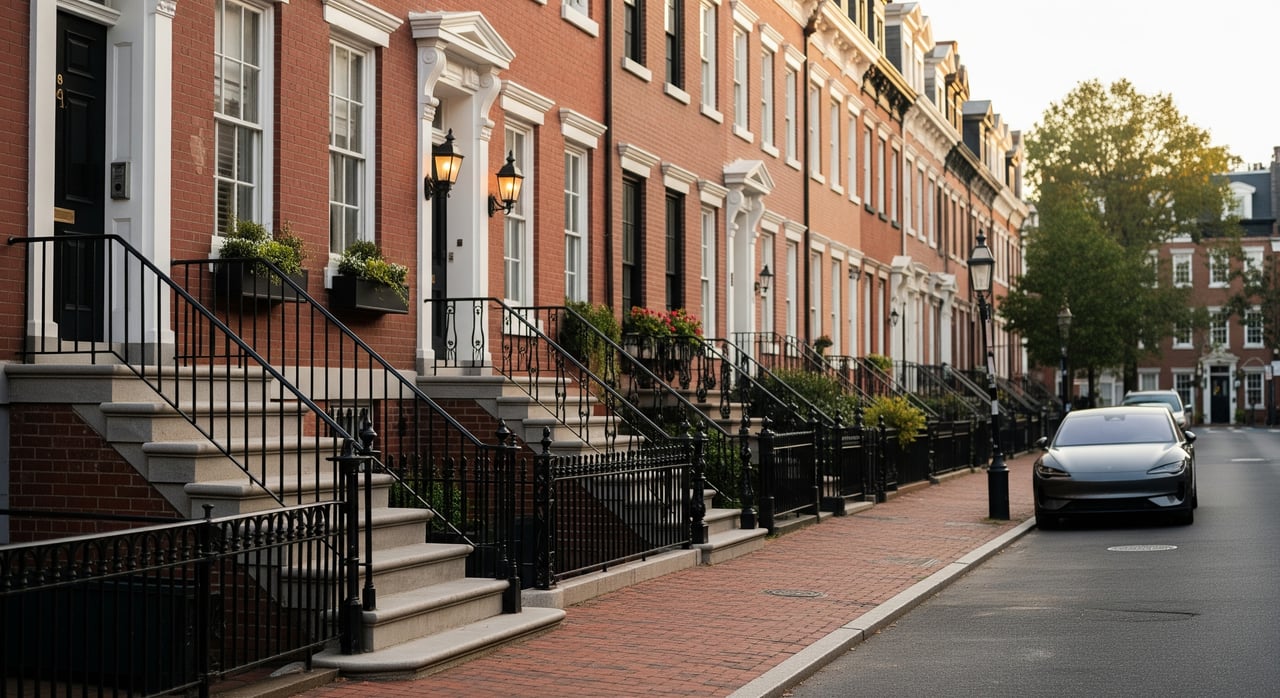
Today, the architectural evolution of Fairfax tells its own story: federal-style brick buildings in the historic core give way to mid-century subdivisions, which in turn give way to new mixed-use developments like Fairfax Corner and the revitalized Old Town district — where walkability and luxury have become the new organizing principles.
The City of Fairfax covers just 6.3 square miles, functioning as an independent enclave entirely surrounded by Fairfax County. Despite its compact footprint, its position in the heart of Northern Virginia makes it one of the most strategically located municipalities in the region.
Washington, D.C. sits roughly 15 to 20 miles to the east, while the western edge of the city serves as a natural gateway toward the Shenandoah Valley. Major commuter corridors — Route 50, Route 29, and I-66 — bisect the city, and the Vienna/Fairfax-GMU Metro Station (Orange Line) provides direct rail access to the capital. In practical terms, Fairfax is close enough to D.C. to make daily commutes viable while remaining far enough to offer genuine neighborhood character.
The terrain belongs to Virginia's Piedmont region — gently rolling hills softened by mature tree cover and green corridors. Accotink Creek and Ashby Pond wind through the landscape, and the city maintains an impressive tree canopy percentage for a community of its density. Parks like Kutner Park and Daniels Run provide wooded respite within walking distance of residential streets.
Climatically, Fairfax experiences four distinct seasons. Spring and fall are considered its most scenic — cherry blossoms and autumn foliage make these genuinely beautiful stretches of the year. Summers are hot and humid, routinely reaching the low-to-mid 90s°F. Winters are mild by mid-Atlantic standards, though the region is susceptible to occasional Nor'easters capable of dropping significant snowfall.
As of early 2026, the Fairfax housing market is in the midst of a meaningful recalibration. After years of pandemic-era frenzy defined by waived contingencies and double-digit bidding wars, the market has shifted toward equilibrium — more inventory, longer selling timelines, and renewed leverage for serious buyers.
The median sale price in the City of Fairfax currently sits in the $715,000 to $725,000 range. Pricing has largely stabilized, with single-family homes posting modest year-over-year gains of approximately 1.9%, while the condo sector has seen slight dips driven largely by rising HOA fees and new reserve study requirements. Active listings have surged by an estimated 21% to 35% compared to early 2025, giving buyers more options than they've had in several years.
Homes are spending an average of 30 to 45 days on the market — a notable contrast to the 10-to-14-day averages of previous cycles. That said, with months of supply hovering around just 1.1 to 1.2 months, this remains a seller-leaning market for well-priced, well-maintained properties. The defining shift of 2026 is the return of the contingency: buyers are once again securing home inspection and financing protections that were effectively impossible to include just two years ago.
Fairfax's housing stock spans nearly a century of American residential architecture, offering genuine variety for buyers at multiple price points.
Single-Family Homes are the most coveted properties in the city. Established neighborhoods are dominated by 1950s and '60s-era Ramblers, Split-levels, and Colonials — many of which sit on large, tree-shaded lots that are increasingly difficult to find in Northern Virginia. Prices in this category typically range from $850,000 to $1.5M+, with significant variation based on lot size, school district, and the extent of modern updates.
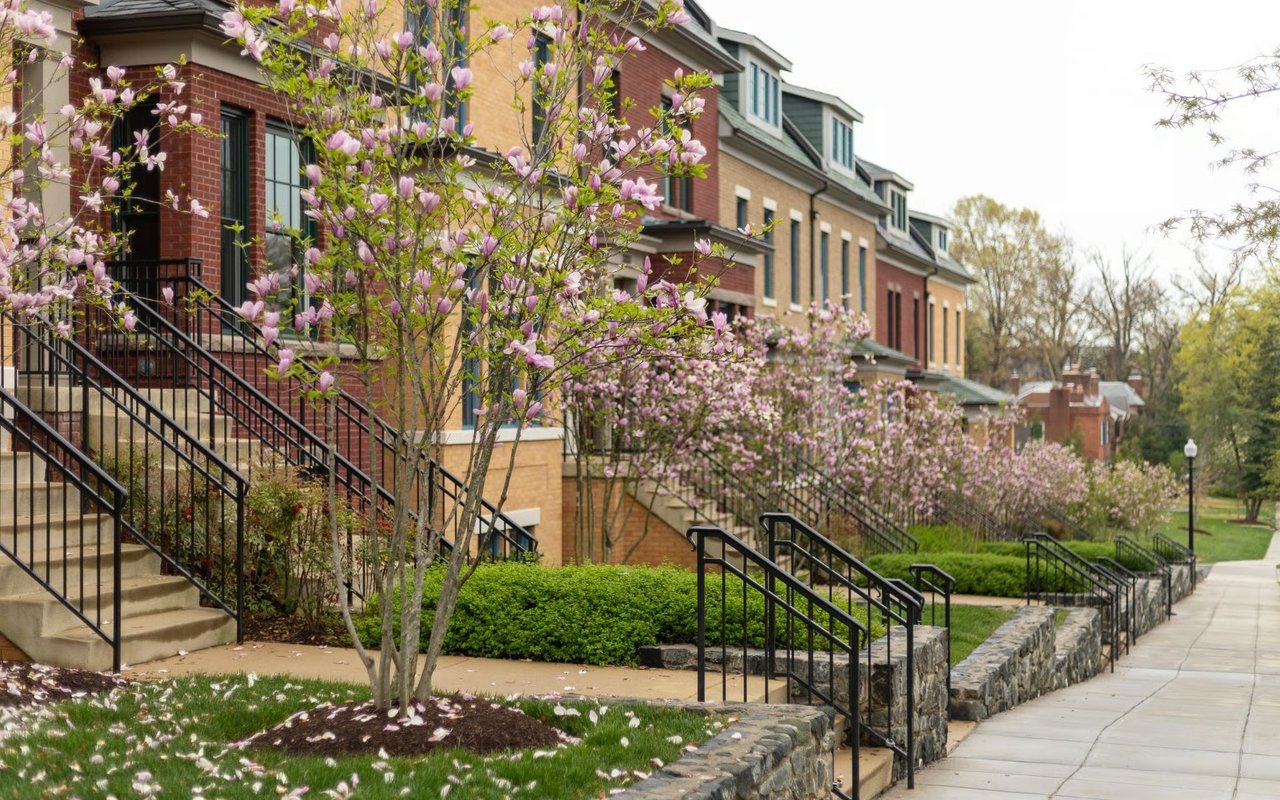
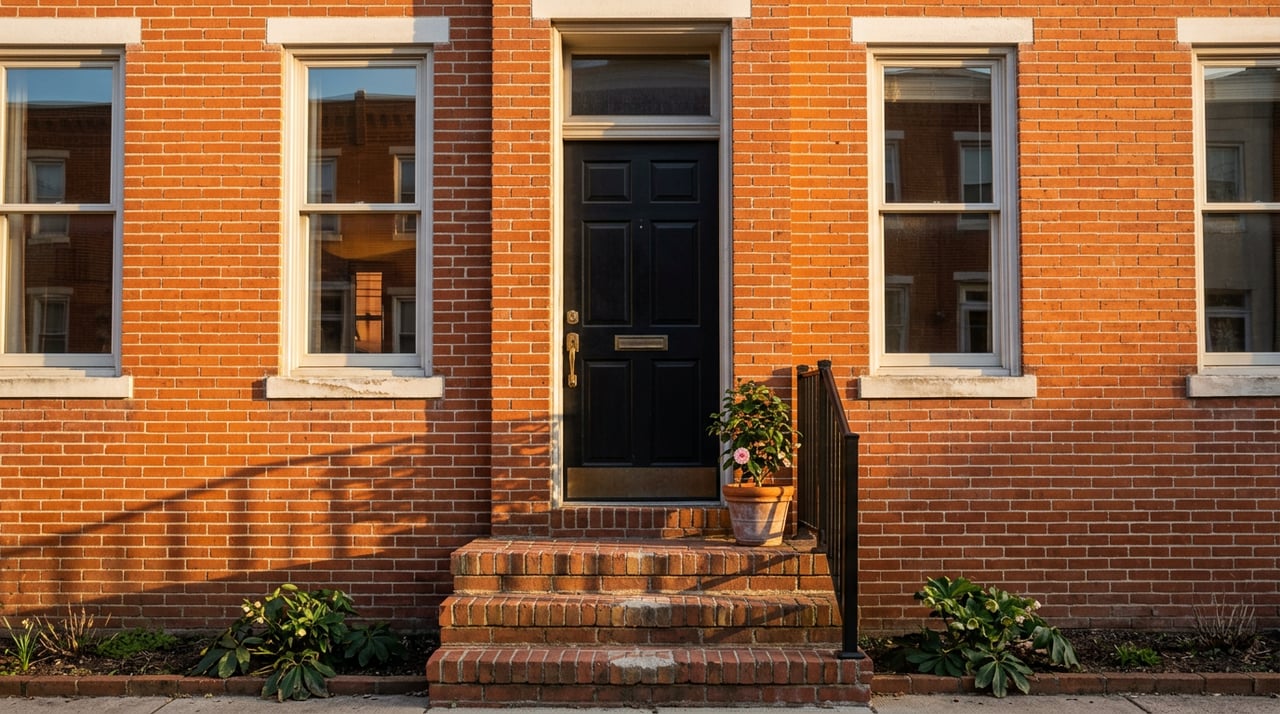
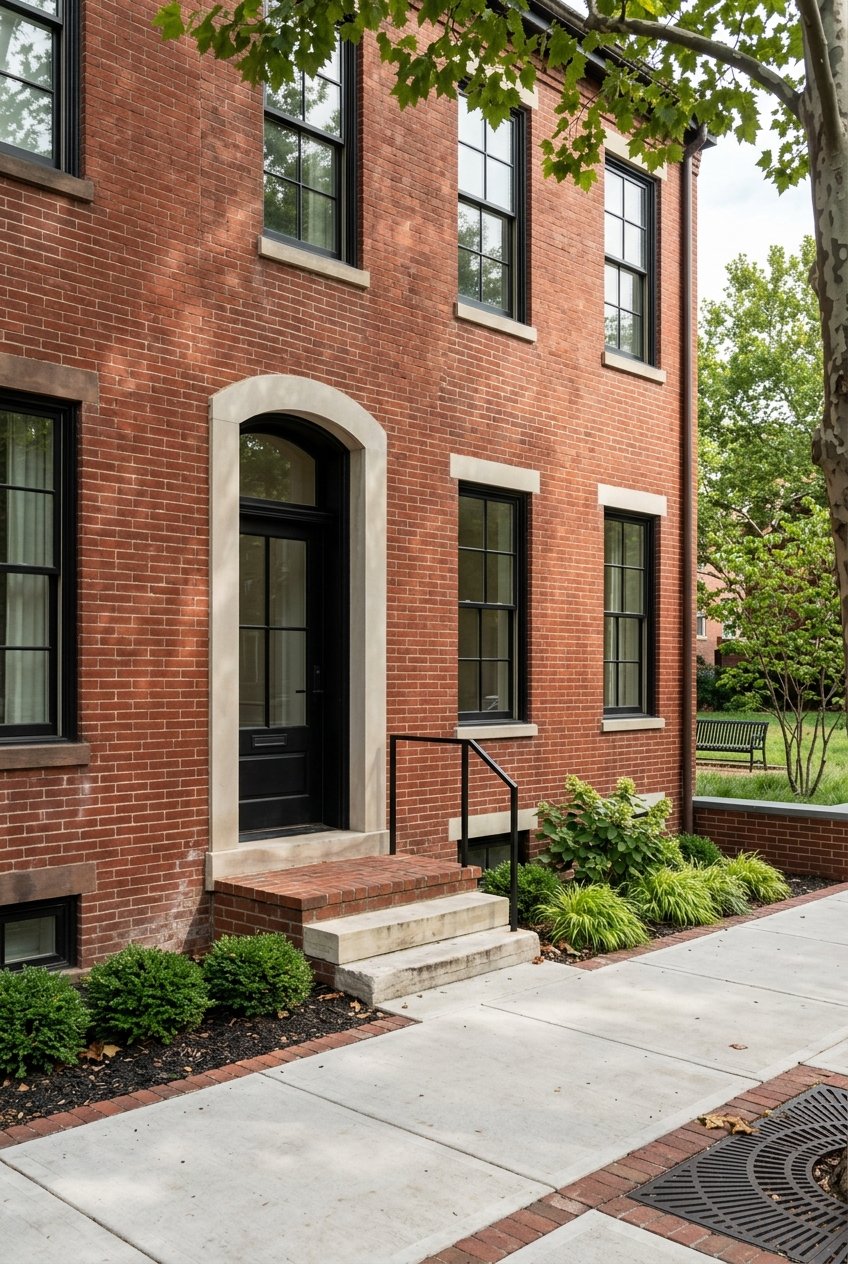
Townhomes occupy the middle ground, appealing strongly to young professionals and families who want walkable urban access without the maintenance demands of a detached home. The inventory here ranges from older brick-front row houses to newer four-story luxury townhomes with rooftop decks and high-end finishes, generally priced between $600,000 and $900,000.
Condos and Apartments define the "New Fairfax" — transit-oriented, amenity-rich, and strategically positioned near Old Town, Fairfax Corner, and the Mosaic District. Garden-style condos from earlier decades can be found starting in the $300,000s, while newer luxury high-rise units with concierge services and fitness centers typically run from $500,000 to $700,000. Buyers in this segment should pay particular attention to HOA fees and pending special assessments, which have risen considerably in recent years.
Moving to Fairfax requires navigating a few local nuances that can catch out-of-state transplants off guard.
The first order of business is determining whether your new address falls within Fairfax City or Fairfax County. These are distinct jurisdictions with separate tax structures, trash services, police departments, and property tax rates — despite sharing a name and being geographically intertwined. Getting this right early saves considerable administrative headaches down the road.
On the vehicle front, Virginia law requires new residents to obtain a state driver's license and register their vehicle within 60 days of establishing residency. Virginia also levies an annual Personal Property Tax on vehicles based on the car's assessed value — this surprises many newcomers and should be factored into your annual budget.
For commuters, the strategic investment is an E-ZPass Flex transponder. It grants free travel on the I-66 Express Lanes for vehicles carrying three or more passengers, and paid dynamic-toll access for solo drivers — an important tool for managing commute costs. The Vienna/Fairfax-GMU Metro Station (Orange Line) remains the most reliable route into D.C., delivering riders to Foggy Bottom or the Smithsonian in roughly 30 to 35 minutes.
Utility setup is straightforward: Dominion Energy handles electricity, Fairfax Water covers most of the area, and for internet, Verizon Fios is the preferred option for speed and reliability, with Cox and Xfinity as widely available alternatives.
Fairfax is actively reinventing itself, with several high-profile development initiatives reshaping the city's urban fabric through 2027.
The most prominent is The Gallery at City Center, a transformative mixed-use project in the city's downtown core. It replaces dated office inventory with nearly 400 luxury apartments and approximately 37,000 square feet of new retail and commercial space — a direct expression of the city's push toward pedestrian-friendly, live-work-play urbanism.
In the Northfax area, near the intersection of Routes 123 and 50, a secondary downtown hub is taking shape. The Breezeway Redevelopment is replacing the former Breezeway Motel and adjacent parcels with a mix of townhomes, condos, and street-level retail. Parallel infrastructure work along Fairfax Boulevard is scheduled through mid-2026, targeting improved traffic flow and pedestrian safety improvements.
On the affordable and senior housing front, Fairfax Crest — a 120+ unit affordable housing development — is anticipated for completion by late 2026. Autumn Willow, a 150-unit independent living community for seniors, is set to open in mid-2027. Both projects represent the city's commitment to housing diversity amid a market that has grown increasingly expensive.
Finally, the Blenheim Boulevard Project (along Old Lee Highway) is adding a two-way cycle track, upgraded bus shelters, and new sidewalks as part of a broader 2026 multimodal connectivity initiative designed to link residential neighborhoods directly to George Mason University by bike and on foot.
Buying in Fairfax in 2026 requires more than a passing familiarity with market conditions. Several factors specific to this city and region can meaningfully affect both your purchase price and your long-term costs.
School district boundaries are arguably the single most powerful driver of value in Fairfax real estate. Homes within the catchment area of Thomas Jefferson High School for Science and Technology — or in the feeder zones for high-performing neighborhood schools like Woodson — command measurable premiums and tend to sell faster than the market average. Even in a cooling environment, well-priced homes in top school zones are still clearing in under 21 days.
HOA and condo fees deserve close scrutiny. Inflation and new reserve study requirements have pushed fees in many Fairfax condo communities to levels that meaningfully affect monthly affordability. Always review the Resale Certificate for any condo purchase to assess pending special assessments before making an offer.
Flood zone exposure is a growing concern as the city implements its 2026 Resilience Plan to address urban flooding along Accotink Creek and other waterways. Verify whether a property falls within a FEMA Special Flood Hazard Area (SFHA) before proceeding — flood insurance premiums can be substantial.
Property age and infrastructure matter in a city where much of the housing stock was built between 1950 and 1980. Buyers of older Ramblers and Split-levels should verify the electrical service (200-amp is the current standard) and assess readiness for EV charging infrastructure, which has become an expected feature among 2026 buyers.
Commuter noise is a practical quality-of-life factor often overlooked during daytime showings. Properties near Dulles flight paths or adjacent to I-66 and Route 50 carry noise exposure that affects both daily living and long-term resale. Visit any serious candidate during rush hour and again at midday to calibrate.
The 2026 Fairfax market rewards sellers who price strategically and present thoughtfully. The era of scarcity-driven bidding wars is over — what sells today is a combination of accurate valuation and genuine lifestyle appeal.
Pricing discipline is paramount. Data from the current cycle shows that homes listed even 3% above market value are sitting for 60-plus days and ultimately selling for less than a well-priced listing would have achieved from day one. In a market where buyers are more patient and better informed, the cost of overpricing is steep.
Seasonality still matters. The 2026 spring surge is arriving earlier than in previous years — late January and February are seeing increased buyer activity as families aim to close by June and settle before the August school year begins. Sellers who list in March through May are positioned to capture the season's highest offer activity.
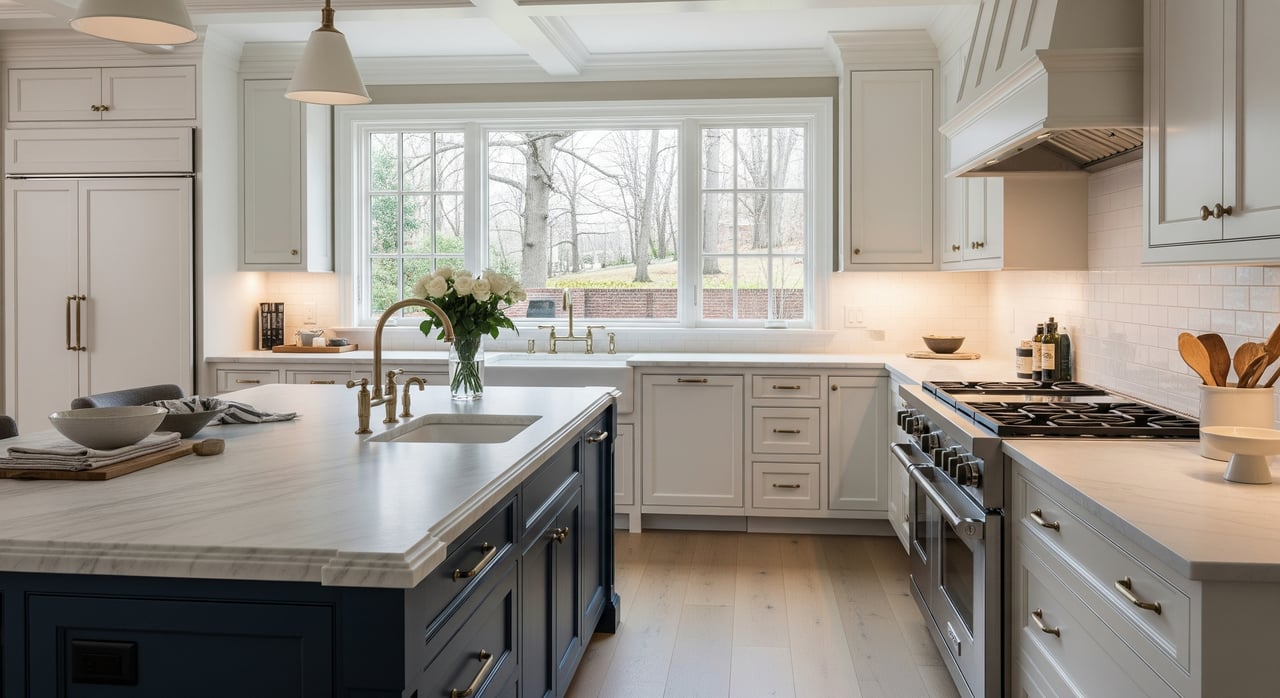
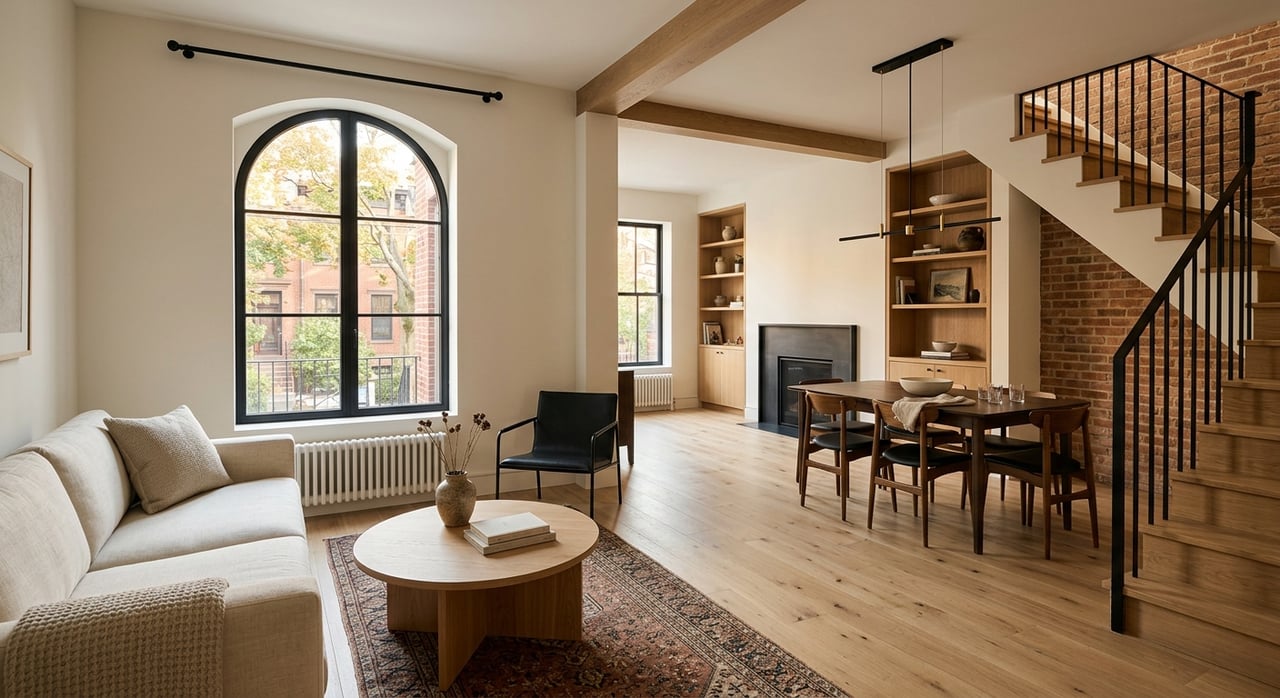
High-return upgrades in this market are focused on lifestyle and efficiency. Dedicated home offices with quality built-ins resonate strongly with Northern Virginia's hybrid-work professional base. In the $1M+ segment, kitchen upgrades featuring AI-integrated appliances and dedicated coffee or wine stations are notable differentiators. Solar panels and high-efficiency heat pump systems are increasingly baseline expectations for environmentally conscious NoVA buyers.
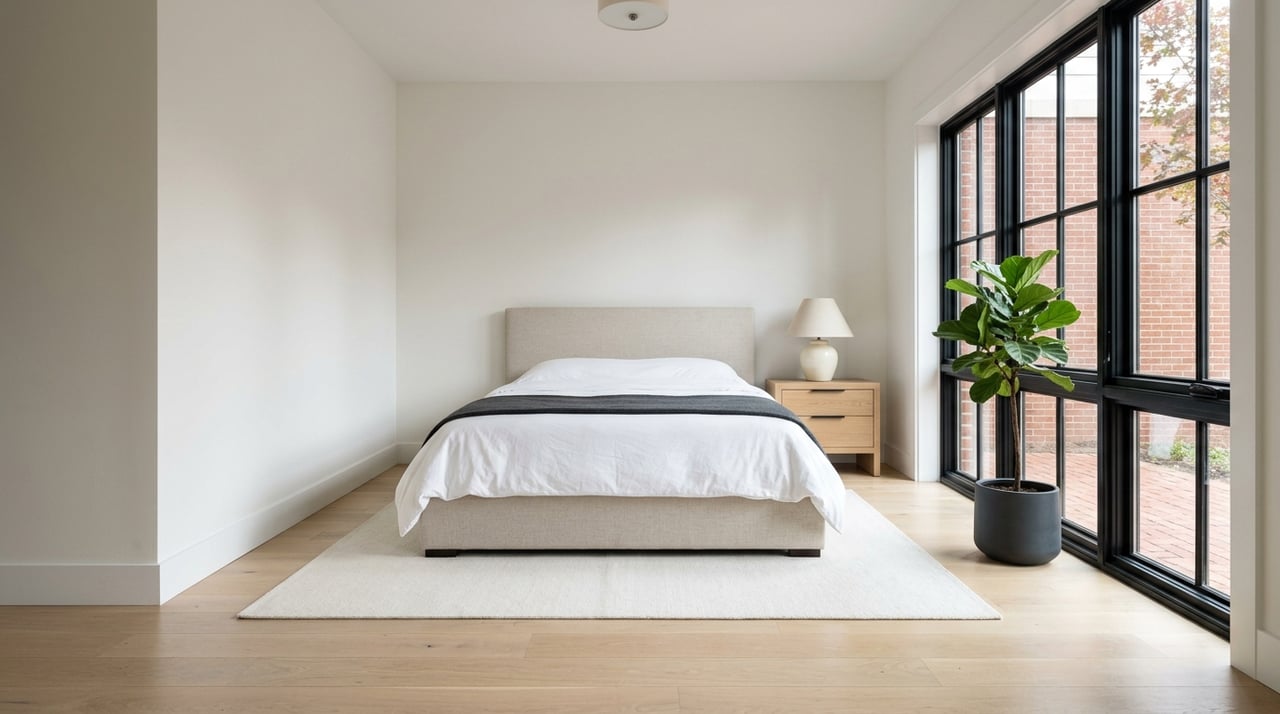
Staging aesthetics have shifted. The all-gray interiors of the last decade have given way to warm wood tones, natural quartzite stone surfaces, and biophilic design elements — indoor plants, maximized natural light, and organic textures that create an emotional connection. Sellers targeting Millennial move-up buyers or federal and tech contractors should know that this demographic arrives pre-researched, having reviewed maintenance history and permit records before scheduling a showing.
Fairfax has developed into a genuinely compelling culinary and entertainment destination — one that goes well beyond the chain-restaurant landscape that once defined suburban Northern Virginia.
Old Town Fairfax is the cultural and culinary heartbeat of the city. The Auld Shebeen is a beloved institution for Irish pub fare and live music, drawing a loyal crowd that spans decades of regulars. Mama Chang — the flagship restaurant from acclaimed Szechuan chef Peter Chang — consistently ranks among the region's finest dining experiences and has put Fairfax on the culinary map well beyond Northern Virginia. Commonwealth Brewing Co. brings an entirely different energy: a library-themed taproom with an expansive outdoor seating area that has become one of the area's most popular gathering spots since its opening.
Fairfax Corner and the Mosaic District serve as the lifestyle retail and dining hubs for the broader area. True Food Kitchen and Ruthie's All-Day represent the upscale-casual dining that defines this corridor, while the Angelika Film Center offers a boutique cinema experience for those seeking something beyond the standard multiplex. For those who want an evening out that goes beyond dinner, Level99 at nearby Tysons — a 40,000-square-foot challenge room complex — has become one of the region's most talked-about adult entertainment venues in 2026.
Day-to-day, Boba TomTom and 29th Parallel Coffee anchor the local café scene. After hours, Ornery Beer Company and Patriot's Pub & Grill provide reliable spots for sports fans and social gatherings alike.
Fairfax and its immediate surroundings offer a recreational landscape that consistently surprises newcomers. For a city of this size, the access to green space, trail systems, and waterfront parks is exceptional.
Burke Lake Park is the local crown jewel — its 4.7-mile lakeside loop trail is among the most frequently cited fitness trails in the entire mid-Atlantic, and the park's mini-train, carousel, and disc golf course make it a genuine multi-use destination for residents of all ages.
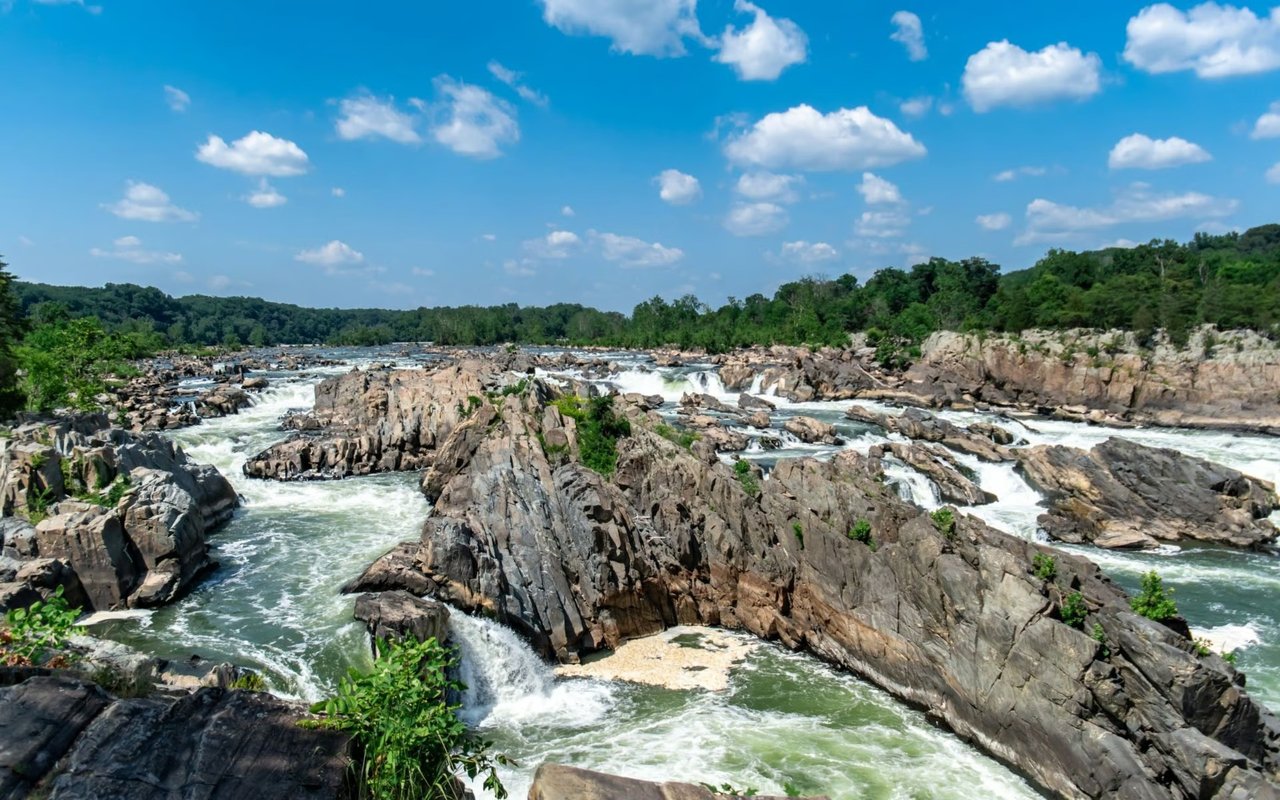
Great Falls Park, a short drive north, delivers something more dramatic: steep, rocky overlooks above the Potomac River's waterfalls, challenging scrambles for experienced hikers, and the kind of natural grandeur that reminds you how close Fairfax sits to genuine wilderness.
Lake Fairfax Park is the family recreation hub, home to the Water Mine Family Swimmin' Hole — an Old West-themed water park beloved by local families — alongside a large skate park and an expanding network of mountain bike trails.
For cyclists and long-distance runners, the W&OD Trail (45 miles of paved rail-trail) and the Cross County Trail (a 40-mile north-south greenway) provide connectivity that rivals trail systems in cities twice the size. Within the city itself, Daniels Run Park offers wooded, unhurried walking trails that feel remarkably removed from the surrounding suburban grid. For a more contemplative outing, Meadowlark Botanical Gardens — a 95-acre sanctuary featuring the Korean Bell Garden and seasonal light installations — is a genuinely special place.
For families relocating to Northern Virginia, Fairfax's school system is frequently the deciding factor — and for good reason.
Fairfax County Public Schools (FCPS) is one of the top-performing public school districts in the United States, and the city benefits directly from its programs. The system's graduation rate exceeds 95% in 2026, with a notable concentration of National Merit Scholars across its high schools.
The district's singular achievement is Thomas Jefferson High School for Science and Technology (TJHSST), a selective STEM magnet school that is consistently ranked the number one public high school in the nation. Located just minutes from the city center, it draws academically exceptional students from across the region and carries significant influence on surrounding property values. For non-magnet options, Woodson High School and Fairfax High School both offer robust Advanced Placement and International Baccalaureate programs that prepare students competitively for top universities.
Private school options include Trinity Christian School, a well-regarded K–12 institution located directly in the city, and Pinnacle Academy, a STEM-focused private elementary and middle school in the vicinity. Early childhood families have access to the Montessori School of Fairfax and the George Mason University Child Development Center, among dozens of other highly rated preschool programs.
At the post-secondary level, George Mason University functions as a genuine asset to city residents — providing access to Division I athletics, the Center for the Arts, EagleBank Arena, and one of the region's most active research and innovation ecosystems, all within the city's south side.
Fairfax is primarily a car-dependent city, but it offers more multimodal options than its suburban reputation suggests — and its highway access to major employment centers is among the best in the region.
By highway, I-66 is the dominant east-west corridor, connecting Fairfax directly to Washington, D.C. to the east and Front Royal to the west. The I-66 Express Lanes are free for HOV-3+ vehicles (with an E-ZPass Flex) and charge dynamic tolls for solo drivers during peak hours — these tolls can be substantial, making carpooling a genuine financial incentive. Route 50 and Route 29 serve as the primary local east-west arterials, while Route 123 (Chain Bridge Road) handles the main north-south flow through Oakton, Vienna, and McLean.
By Metro, the Vienna/Fairfax-GMU Station on the Orange Line provides a 30-to-35-minute ride into central Washington. It is the primary transit gateway for city residents who work in D.C. proper.
By local bus, the city operates the CUE Bus system, which as of early 2026 is still running under a zero-fare pilot program — making it free for all residents and students. The CUE connects key city destinations and provides reliable access to the Metro station, making car-light living a genuine option for those who position themselves in Old Town or Fairfax Corner.
Walkability is concentrated in the city's core. Old Town Fairfax and Fairfax Corner are genuinely walkable, mixed-use districts where a growing number of residents deliberately live without a daily dependence on their vehicles.
Within the City of Fairfax and its immediate surrounding neighborhoods, a handful of streets and enclaves have developed reputations as the addresses of choice for discerning buyers.
Old Town Fairfax commands the highest prestige for those who want walkable access to the city's restaurant row, the historic courthouse, and the Old Town street festival circuit. Properties here — particularly renovated Federals and Colonials on the tree-lined blocks nearest the courthouse — sell at a premium that reflects both their scarcity and their irreplaceable character.
The Mosby Woods neighborhood is consistently one of the most sought-after mid-century enclaves in the city, known for its large wooded lots, established tree canopy, and proximity to top schools. Its Ramblers and Split-levels have become prime targets for buyers seeking single-level living with room to expand.
The Layton Hall area and streets bordering the George Mason University campus attract academics, researchers, and young professionals who want easy access to the university's amenities while living in established residential neighborhoods.
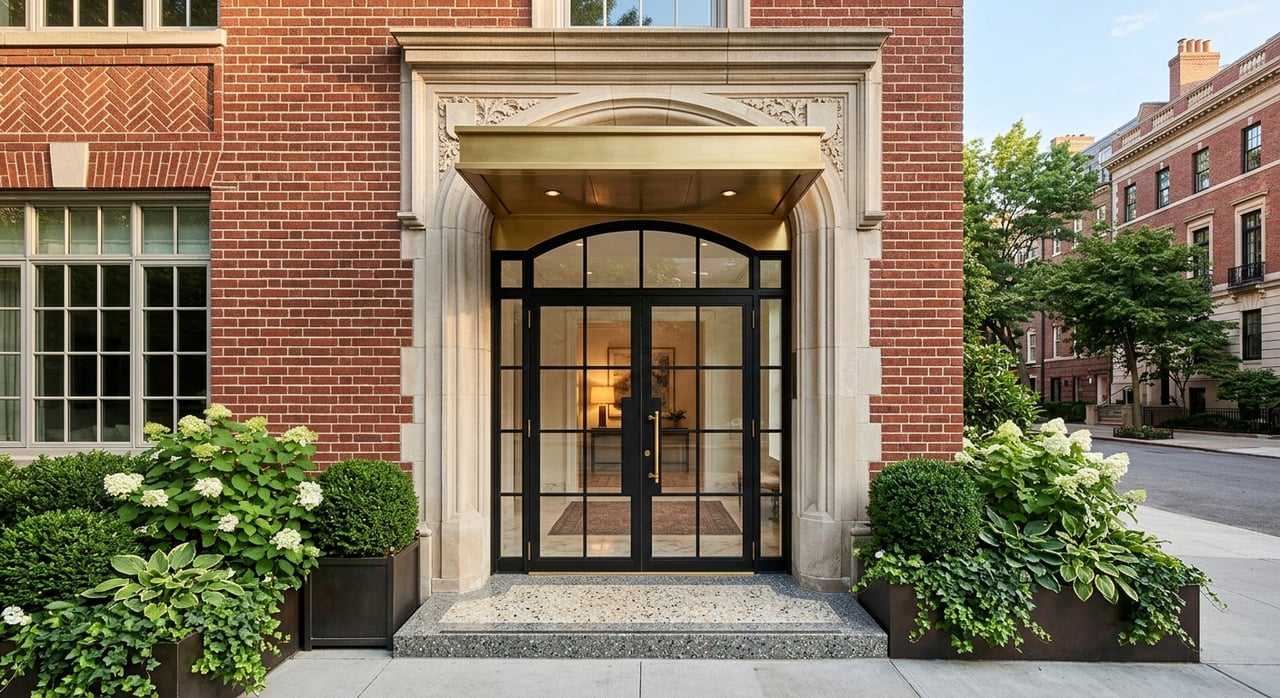
For buyers seeking the city's most elevated price points, newer luxury townhome developments and renovated single-family estates in the Fairfax Boulevard corridor near the city's western edge consistently top the market, offering modern finishes and infrastructure in neighborhoods with strong long-term appreciation trajectories.
Ask longtime Fairfax residents what keeps them here, and the answer almost always centers on the same things: the schools, the access, and the sense that the city is genuinely going somewhere.
The quality of public education in Fairfax is not merely a statistic — it shapes the community itself, attracting families who are invested in their neighborhoods and inclined to stay. The presence of George Mason University adds intellectual and cultural energy that most suburban cities of comparable size never develop. And the city's location — close enough to D.C. to take advantage of everything the capital offers, but removed enough to have its own identity — is a balance that is genuinely difficult to replicate elsewhere in the region.
What draws people initially, the schools and commute access, is rarely what makes them stay. What keeps residents in Fairfax is the layered texture of daily life: morning walks on the W&OD Trail, dinner at Mama Chang, summer evenings at Burke Lake, and the understated pride of living in a city that has been at the center of American history for over two centuries — and is still writing new chapters.
Navigating the Fairfax real estate market — whether you're buying your first home in the city, upsizing into one of its coveted single-family neighborhoods, or selling a property you've owned for decades — requires a team that genuinely knows this market. Treasury Homes brings deep local expertise, a commitment to transparent guidance, and a track record of helping clients make confident, informed decisions in one of Northern Virginia's most dynamic and competitive communities.
Whether you have questions about a specific neighborhood, want to understand how current market conditions affect your timing, or are simply ready to take the next step, the Treasury Homes team is here to help. Reach out today to start the conversation — because in Fairfax, the right move begins with the right advisor.
There's plenty to do around Fairfax, including shopping, dining, nightlife, parks, and more. Data provided by Walk Score and Yelp.
Explore popular things to do in the area, including Le Papiyon Chocolatier, Dolcemente Pastries, and Mode on Main by Mara.
| Name | Category | Distance | Reviews |
Ratings by
Yelp
|
|---|---|---|---|---|
| Dining · $$$$ | 0.57 miles | 12 reviews | 5/5 stars | |
| Dining | 3.07 miles | 11 reviews | 5/5 stars | |
| Shopping | 0.6 miles | 12 reviews | 5/5 stars | |
| Shopping | 0.6 miles | 25 reviews | 5/5 stars | |
| Active | 1.58 miles | 5 reviews | 5/5 stars | |
| Active | 1.63 miles | 7 reviews | 5/5 stars | |
| Active | 1.5 miles | 11 reviews | 5/5 stars | |
| Nightlife | 0.51 miles | 6 reviews | 5/5 stars | |
| Beauty | 0.66 miles | 7 reviews | 5/5 stars | |
| Beauty | 0.66 miles | 10 reviews | 5/5 stars | |
| Beauty | 4.19 miles | 9 reviews | 5/5 stars | |
| Beauty | 0.47 miles | 23 reviews | 5/5 stars | |
| Beauty | 0.66 miles | 5 reviews | 5/5 stars | |
| Beauty | 0.66 miles | 15 reviews | 5/5 stars | |
| Beauty | 1.74 miles | 6 reviews | 5/5 stars | |
| Beauty | 1.03 miles | 6 reviews | 5/5 stars | |
| Beauty | 1.54 miles | 20 reviews | 5/5 stars | |
| Beauty | 0.43 miles | 15 reviews | 5/5 stars | |
| Beauty | 0.8 miles | 7 reviews | 5/5 stars | |
| Beauty | 3.53 miles | 16 reviews | 5/5 stars | |
| Beauty | 2.07 miles | 11 reviews | 5/5 stars | |
| Beauty | 0.66 miles | 13 reviews | 5/5 stars | |
| Beauty | 1.04 miles | 17 reviews | 5/5 stars | |
| Beauty | 0.66 miles | 24 reviews | 5/5 stars | |
|
|
||||
|
|
||||
|
|
||||
|
|
||||
|
|
||||
|
|
Fairfax has 9,158 households, with an average household size of 2.61. Data provided by the U.S. Census Bureau. Here’s what the people living in Fairfax do for work — and how long it takes them to get there. Data provided by the U.S. Census Bureau. 24,478 people call Fairfax home. The population density is 3,922.47 and the largest age group is Data provided by the U.S. Census Bureau.
Total Population
Population Density Population Density This is the number of people per square mile in a neighborhood.
Median Age
Men vs Women
Population by Age Group
0-9 Years
10-17 Years
18-24 Years
25-64 Years
65-74 Years
75+ Years
Education Level
Total Households
Average Household Size
Average individual Income
Households with Children
With Children:
Without Children:
Blue vs White Collar Workers
Blue Collar:
White Collar: