If you are trying to choose between an older condo and a newer one in Dupont Circle, the answer is rarely as simple as charm versus convenience. In this neighborhood, building age often shapes your layout, maintenance outlook, renovation flexibility, and monthly costs in ways that can affect your day-to-day life. Understanding those tradeoffs can help you buy with more confidence and avoid surprises later. Let’s dive in.
Why condo age matters in Dupont Circle
Dupont Circle is not a one-era condo market. The neighborhood includes historic buildings from the late 1800s and early 1900s, postwar and mid-century properties, and newer infill projects that reflect more recent construction. That layered history means the age of a building usually tells you something meaningful about how it lives.
In practical terms, older buildings often bring more original detail and more preservation considerations. Mid-century properties can offer a simpler middle ground. Newer condos usually lean toward modern layouts and amenities, but that convenience often comes with different cost and design tradeoffs.
What to expect in older Dupont condos
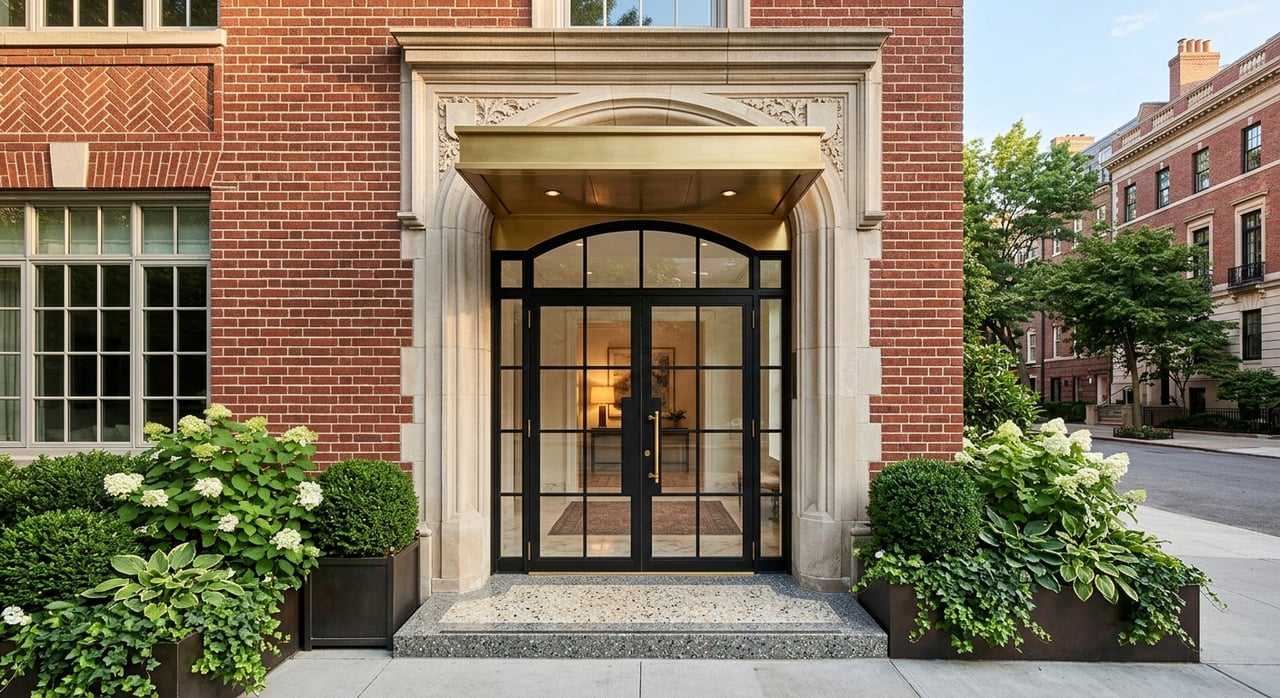
Pre-war and historic condos in Dupont Circle often come from the neighborhood’s earlier building stock, including late Victorian brick homes, Queen Anne rowhouses, Richardsonian Romanesque rowhouses, and early apartment houses. These homes often feel distinct from unit to unit because many have gone through different levels of renovation over time. Two condos in similar buildings can look and function very differently.
Older layouts often feel more segmented
Many older condos have more compartmentalized floor plans instead of the open layouts many buyers expect today. Rooms may be more defined, and the overall flow may feel more traditional. If you like clear separation between living spaces, that can be a plus.
If you want a large open kitchen and living area, you may need to be more selective. Some units have already been reworked, while others still reflect an earlier room-by-room style. That renovation history matters just as much as the building’s age.
Historic details can be a major draw
When original features remain, older Dupont condos may include plaster walls, woodwork, decorative wall finishes, and other period materials. These details often create the kind of character that buyers specifically seek out in Dupont Circle. For many people, that sense of history is part of the appeal of living here.
Still, not every older condo will have the same level of preserved detail. Some units have been carefully updated, while others have had many original features removed or replaced. It is important to look beyond the listing photos and understand what is truly original, restored, or newly added.
Renovation can be more complex
Because much of Dupont Circle is historic, building age can affect what changes are easier or harder to make later. In DC, many exterior changes to historic properties require review when a permit is involved. Typical pressure points include things like window replacement, roof decks, and additions.
That does not mean every change is difficult. Routine exterior maintenance and many interior alterations may be exempt. But if you are buying with plans to significantly alter the exterior or expand your space, it is smart to understand those review considerations before you commit.
Maintenance questions matter more
Older does not always mean higher maintenance, but it does mean you should read the condo documents carefully. Shared exterior upkeep and common areas are typically handled by the condo association, while you still need your own unit insurance. Before you buy, review what the condo fee covers, how much the association has in reserves, whether there are special assessments, and the remaining useful life of major building components.
That due diligence matters in every condo purchase, but it is especially important when the building has been standing for decades. A beautiful historic exterior can be a real asset, but it should be paired with sound planning and stable association finances.
What to expect in mid-century Dupont condos
Mid-century condos often sit in a useful middle lane. Dupont Circle continued to evolve through the 1960s and early 1970s, when larger multi-story residential and commercial buildings became part of the neighborhood fabric. That history often translates into buildings that feel more standardized and less ornate than pre-war properties.
Mid-century condos often offer a practical balance
These buildings may appeal to you if you want something more efficient than a landmark-era conversion but with more neighborhood personality than a brand-new building. Layouts are often simpler, and the ownership experience can feel more straightforward. For many buyers, that balance is the main advantage.
That said, mid-century is still a broad category. Some buildings have been updated extensively, while others still need major system or envelope work. The era gives you clues, but the actual condition of the building matters more than the label alone.
Focus on building health, not just style
With mid-century condos, the key questions are often financial and structural rather than purely aesthetic. You will want to know what the condo fee covers, whether the association appears financially stable, whether there are pending lawsuits or inspection issues, and how much is set aside in reserves for future repairs. These basics can tell you more about your likely ownership experience than the lobby finishes or unit staging.
What to expect in newer Dupont condos
Newer construction in Dupont Circle is not all the same. It can include larger residential buildings as well as smaller infill projects with just a few units. In other words, “newer” in Dupont does not always mean a glass high-rise. Sometimes it means a compact, contemporary building designed to fit within a historic context.
Modern layouts and turnkey living
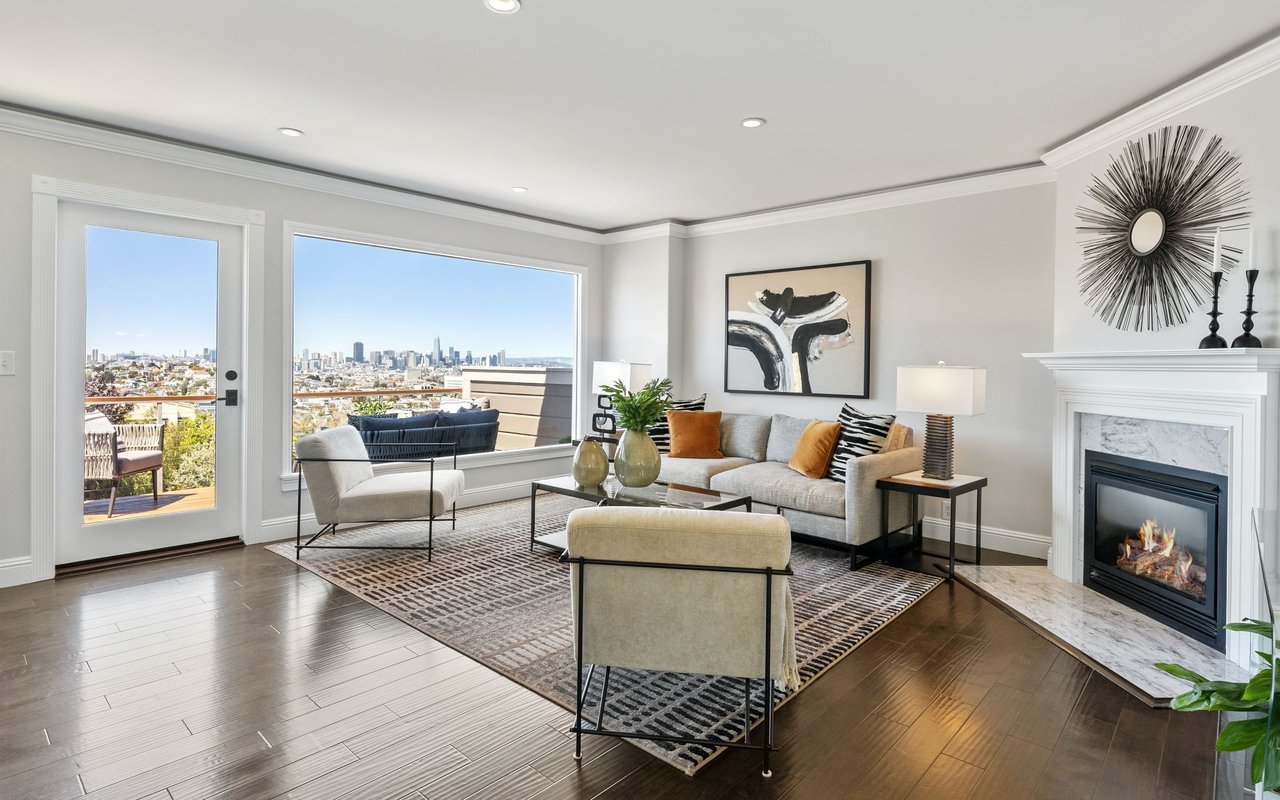
Newer condos often attract buyers who want easier day-to-day living. You may see more contemporary floor plans, larger openings, rooftop spaces, and a more polished move-in-ready feel. If your priority is convenience, newer product may line up well with your goals.
That convenience usually comes with a tradeoff. Compared with older stock, newer condos may offer less architectural character. If you love original woodwork, historic finishes, and a strong sense of period style, newer construction may feel cleaner and simpler but less distinctive.
Amenities can shape the monthly cost
Some newer buildings in Dupont are designed with more lifestyle-oriented amenities. Rooftop features, lounge spaces, and similar shared areas can be part of the package. These features can be appealing, especially if you value a lock-and-leave lifestyle or shared gathering space.
At the same time, those services often show up in the condo fee. Even in newer buildings, dues may help fund common-area maintenance, exterior repairs, insurance, water, sewer, trash, and reserves. You still need your own unit insurance, so it is important to compare the total monthly cost, not just the list price.
How historic context affects newer buildings
One thing that makes Dupont different from some other condo markets is that even new construction is often shaped by the neighborhood’s historic context. Review comments for newer infill projects in the historic district emphasize issues like scale, proportion, window rhythm, and compatibility with nearby rowhouses. That means newer buildings in Dupont may feel more context-sensitive than new construction in less regulated areas.
For you as a buyer, that can be a benefit. It helps explain why newer projects here may still feel connected to the surrounding streetscape, even when the architecture is clearly contemporary. It also reinforces why building-specific research matters in Dupont more than broad assumptions about “old” or “new.”
How to choose the right condo era
The best condo era depends on what you value most.
Choose older if you want character
An older condo may be the right fit if you care most about architectural detail, historic context, and a one-of-a-kind feel. You should also be comfortable with more variation from unit to unit and possible friction around future exterior changes.
Choose mid-century if you want balance
A mid-century condo may work well if you want a simpler layout, less ornament, and a more straightforward ownership experience than some historic conversions. It can be a strong middle option for buyers who want personality without taking on as many preservation-related considerations.
Choose newer if you want convenience
A newer condo may make the most sense if you value modern finishes, shared amenities, and a more turnkey lifestyle. Just make sure the monthly dues and building services fit your long-term budget.
Compare the full cost, not just price
No matter which era you prefer, your decision should go beyond the asking price. In Dupont Circle, the smarter comparison is your all-in monthly cost.
That usually includes:
- Mortgage payment
- Property taxes
- HOA or condo dues
- Unit insurance
- A maintenance cushion for future costs
You should also review reserves, any history of special assessments, association bylaws, and any historic-review implications that could affect future plans. In a neighborhood with this much architectural variety, those details can have a major impact on your ownership experience.
Dupont Circle offers a wide range of condo options, but the choice is less about older versus newer and more about which set of tradeoffs fits your lifestyle best. The right condo for you depends on how you balance character, convenience, renovation flexibility, and monthly carrying costs. If you want help weighing those factors in Dupont or anywhere else in the DC market, Treasury Homes can help you compare options and move forward with clarity.
FAQs
What are older Dupont Circle condos usually like?
- Older Dupont Circle condos often have more compartmentalized layouts, more variation from unit to unit, and a higher chance of preserved historic details like plaster and woodwork.
What should you expect from newer Dupont Circle condos?
- Newer Dupont Circle condos often offer more modern layouts, more turnkey finishes, and in some cases shared amenities, but they may have higher monthly condo fees and less historic character.
Are renovations harder in historic Dupont Circle buildings?
- Some can be, especially exterior changes that require permits, since many historic properties in Dupont are subject to DC preservation review.
Is a mid-century Dupont Circle condo a good compromise?
- Mid-century condos can be a practical middle ground if you want simpler layouts and fewer historic constraints than a pre-war building, while still living in the Dupont Circle neighborhood fabric.
What costs should you compare when buying a Dupont Circle condo?
- Look at the all-in monthly cost, including mortgage, taxes, condo dues, unit insurance, and a maintenance cushion, along with reserves and any possible special assessments.