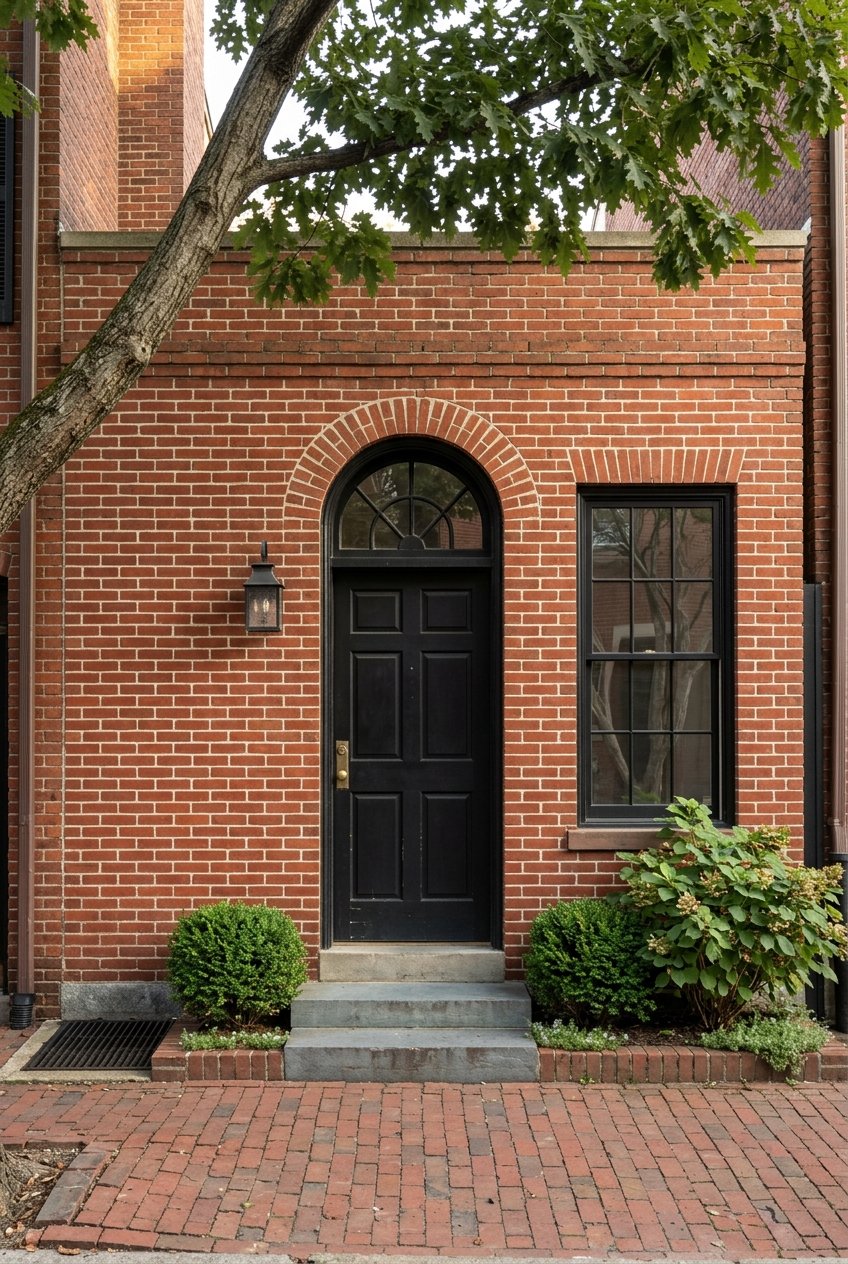
You do not buy a Georgetown pied-à-terre for convenience alone. You buy it for the feeling of stepping into one of Washington’s most established neighborhoods, where historic streets, the waterfront, shops, and daily essentials sit close together. If you are thinking about a second home here, the smart move is to look past the charm and focus on how the property will actually work for part-time living. Let’s dive in.
Why Georgetown draws second-home buyers
Georgetown offers something many buyers want in a pied-à-terre: a strong sense of place. It began as a tobacco port town in 1751, later became part of DC in 1871, and today stands as Washington’s first historic district and a National Historic Landmark.
For everyday use, the appeal is practical as well as visual. Georgetown includes M Street, Wisconsin Avenue, Book Hill, the waterfront, and the C&O Canal in a compact area, giving you easy access to shopping, dining, and outdoor spaces without needing to go far.
That mix can be ideal if you plan to use the home for work trips, weekends, or part-time city living. You get a neighborhood that feels distinct and walkable, with plenty to do once you arrive.
Know the tradeoff: transit and parking
The biggest lifestyle tradeoff in Georgetown is transportation. There is no Metro station in the neighborhood itself, so residents often rely on buses, walking, biking, rideshare, nearby stations like Foggy Bottom-GWU and Rosslyn, and sometimes the water taxi.
Parking deserves close attention before you buy. On residential streets, parking without a Zone 2 Residential Parking Permit is generally limited to two hours during operating hours, and M Street plus parts of Wisconsin Avenue have added peak-period restrictions.
If you will use the property only part-time, your parking plan needs to be realistic. A home that feels perfect on a showing may feel much less convenient if you regularly need guest parking, long-term car storage, or easy in-and-out access.
What a Georgetown pied-à-terre usually looks like
In Georgetown, the pied-à-terre market usually does not mean sleek new towers. The neighborhood is known for historic brick and frame row houses, Federal-style architecture, cobblestone streets, and homes dating back to the 18th century.
For many buyers, the most practical ownership options are smaller condos or units created through conversions in older buildings. These can offer lower maintenance than a full row house, but they still sit within a historic neighborhood where building rules and upkeep may differ from what you would find in newer areas.
That distinction matters. A charming older unit may suit your goals very well, but only if the layout, storage, access, and building rules fit the way you plan to use the property.
Georgetown pricing sets the tone
Even smaller homes in Georgetown exist in a luxury-market context. As of April 2026, Realtor.com reported a median listing price of $2.0 million, a median sold price of $1.1 million, a median price per square foot of $919, and median days on market of 38.
The same market snapshot showed 85 homes for sale, 65 rentals, and a median rent of $5,990 per month. Realtor.com also described Georgetown as a balanced market in March 2026.
For you, this means size alone does not make a Georgetown purchase inexpensive. A compact home may still come with a high price per square foot, so it is important to compare not just price, but ease of ownership.
Choose the easiest home to own part-time
When you buy a pied-à-terre, your goal is not just to own in Georgetown. Your goal is to own something that stays manageable when you are not there every day.
That usually means weighing several practical questions:
- How much exterior maintenance falls on you
- Whether the building has clear condo or association rules
- How easy it is to secure parking
- Whether entry, deliveries, and lock-up are simple
- How much flexibility you have for updates later
A larger historic property can be beautiful, but it may require more oversight than a smaller condo or conversion unit. For many part-time owners, lower-friction ownership wins.
Budget for taxes and recurring costs
Your monthly and annual budget should go beyond the mortgage. In DC, Class 1A residential property is taxed at $0.85 per $100 of assessed value. Class 1B property with no more than two dwelling units is taxed at $0.85 per $100 on the first $2.558 million and $1.00 per $100 above that.
If you are buying a true pied-à-terre, you should not expect principal-residence tax benefits. The Homestead Deduction and related relief require the property to be your principal residence and require you to be domiciled in DC.
DC property tax bills are typically mailed twice a year, in February and August, and are due March 31 and September 15. Beyond taxes, you should also account for condo fees if applicable, insurance, utilities, parking, and any building-specific charges.
Closing costs can be significant
Closing costs in DC can be a meaningful line item, especially in Georgetown’s price range. For residential deed transfers of $400,000 or more, the standard rates are 1.45% for recordation tax and 1.45% for transfer tax.
There is a reduced 0.725% recordation-tax line for qualified first-time homebuyers, but many pied-à-terre buyers will not fall into that category. In a neighborhood where many purchases exceed the $400,000 threshold by a wide margin, these charges deserve early planning.
One useful due diligence item is a real property tax certificate. It can reveal not only tax arrears, but also unpaid DC water and sewer charges, Clean City liabilities, BID taxes, vault rents, and special assessment charges.
Historic review affects future updates
Georgetown’s historic status is part of its appeal, but it also affects what you can change. Because Georgetown predates DC’s historic-preservation law, most exterior work follows a separate review path.
The Old Georgetown Board comments on exterior architectural features, height, appearance, color, and material texture. The Historic Preservation Office can review work that is not visible from public space.
Some projects may qualify for streamlined review, including certain non-visible roof replacements, minor rear alterations, underground work, repointing, and some fence repairs. Even so, the process can add time and constraints compared with buying in a newer building outside a historic district.
Ask update questions before you buy
If you already know you want to modernize parts of the home, ask detailed questions early. Exterior items such as windows, roofs, doors, and outdoor spaces can involve review and permits that affect both timing and cost.
This is especially important for buyers who want a lock-and-leave property with minimal surprises. A home may appear move-in ready today, but your future plans could be harder to execute than expected.
In Georgetown, the best purchase is often the one with the clearest path, not just the prettiest photos. Simple ownership tends to matter more over time.
Rental plans need a reality check
Some buyers hope to offset costs by renting the property when they are away. In DC, that requires careful review because short-term rental rules are strict.
According to the DC Department of Licensing and Consumer Protection, a short-term or vacation rental must be the owner’s primary residence. The owner must also be eligible for the Homestead Deduction, and condo or HOA documents must allow the use or provide written permission.
That means a true second home in Georgetown usually cannot operate as a compliant Airbnb-style rental unless it becomes your principal residence. If occasional rental income is part of your plan, confirm both DC rules and building rules before moving forward.
Lifestyle still matters
A Georgetown pied-à-terre is not just a line item on a balance sheet. Part of the value is the experience of being able to arrive and enjoy the neighborhood right away.
The area includes Georgetown Waterfront Park, a 10-acre park near the waterfront, and the waterfront is less than five minutes from M Street. There are also trails, nearly 50 public bike racks, eight Capital Bikeshare stations, and access to a water taxi to The Wharf.
If that kind of walkable, part-time city lifestyle is your goal, Georgetown can deliver it. The key is matching that lifestyle upside with a home that fits your maintenance tolerance, access needs, and long-term plans.
A smarter way to compare options
When you tour homes in Georgetown, try to compare them block by block and building by building, not just by square footage or finishes. The best fit for a pied-à-terre is often the property with the clearest building rules, the least maintenance friction, and the most realistic access and parking setup.
As you narrow your choices, focus on a few simple questions:
- Is this home easy to lock and leave?
- What are the real recurring costs?
- What parking plan will I use every time I stay here?
- What changes, if any, will require review or approval?
- Does this property support my goals better than it impresses me visually?
If you can answer those questions confidently, you will be in a much better position to buy well. And in a neighborhood like Georgetown, buying well usually means buying with clarity.
If you are considering a Georgetown pied-à-terre and want practical guidance on the tradeoffs, costs, and property types that make the most sense for part-time living, Treasury Homes can help you evaluate your options with clear, local insight.
FAQs
What makes Georgetown appealing for a pied-à-terre?
- Georgetown offers historic character, a compact layout, shopping, dining, waterfront access, and a strong sense of place that can work well for part-time city living.
What type of Georgetown home usually works best as a pied-à-terre?
- For many buyers, smaller condos or conversion-style units are easier to manage part-time than full historic row houses, especially when maintenance and building rules are a concern.
What should Georgetown buyers know about parking?
- Georgetown has no Metro station in the neighborhood, and street parking can be limited, so it is important to have a realistic plan for parking, transit, and day-to-day access before you buy.
Do Georgetown pied-à-terre buyers qualify for DC homestead tax benefits?
- A true pied-à-terre generally does not qualify for the Homestead Deduction because that benefit requires the property to be your principal residence and requires DC domicile.
What are the main closing costs for a Georgetown purchase?
- In DC, residential deed transfers of $400,000 or more typically include 1.45% recordation tax and 1.45% transfer tax, which can add up quickly in Georgetown’s price range.
Can you use a Georgetown second home as a short-term rental?
- Usually not, because DC requires a short-term or vacation rental to be the owner’s primary residence, and the owner must be eligible for the Homestead Deduction and follow any condo or HOA rules.
Why does historic review matter in Georgetown?
- Exterior changes in Georgetown can require review through a separate historic process, which may affect what you can update, how long projects take, and how much planning is involved.
What should buyers compare when choosing between Georgetown properties?
- You should compare not only price and style, but also parking, building rules, recurring costs, maintenance needs, and how easy the property will be to own when you are not there full-time.