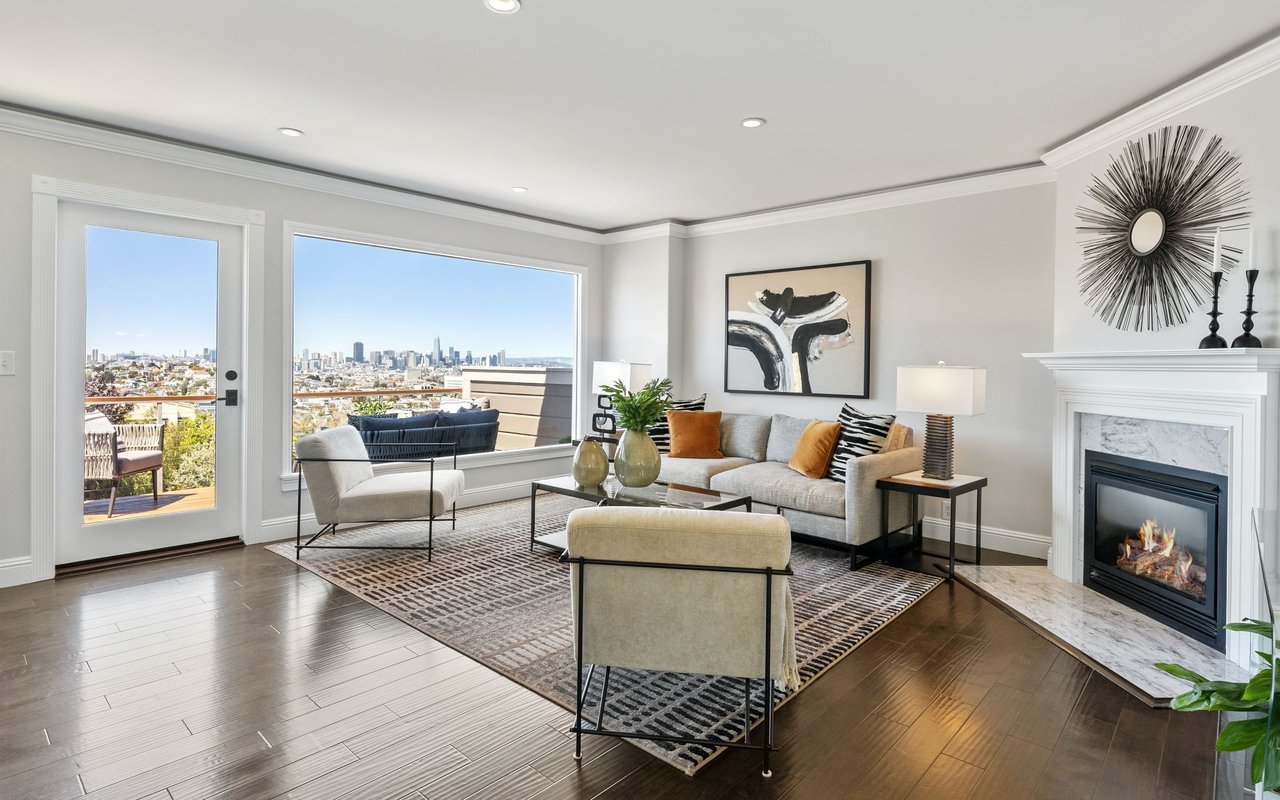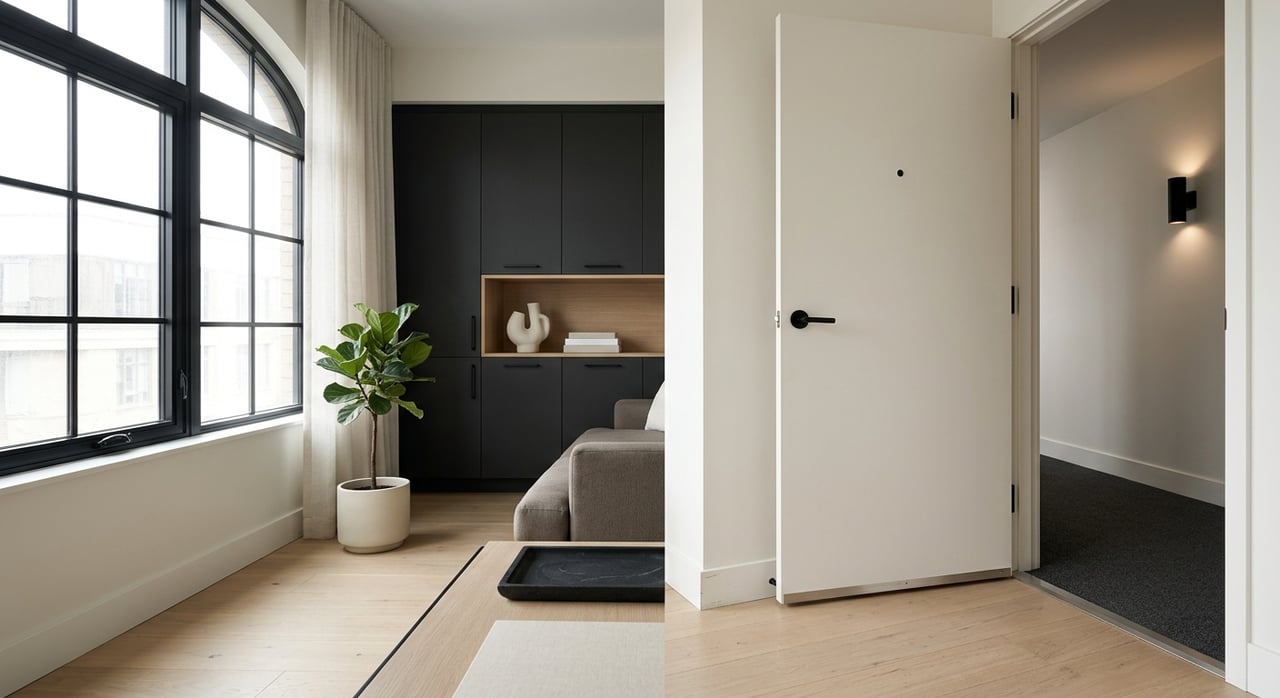
Trying to choose between a Capitol Hill condo and a rowhouse? You are not alone. For many city buyers, this is one of the biggest decisions in the D.C. search process because the two options can offer very different day-to-day experiences, costs, and responsibilities. If you want to understand how ownership, maintenance, outdoor space, and budget really compare in Capitol Hill, this guide will help you sort through the tradeoffs. Let’s dive in.
Why Capitol Hill makes this decision unique
Capitol Hill is not just another D.C. neighborhood. It is one of the city’s oldest residential neighborhoods and the largest residential historic district in Washington, D.C., with roughly 200 city squares and about 8,000 buildings.
That historic character shapes what you will see on the ground. The area is still heavily rowhouse-based, with about 54% of housing units identified as row houses, and much of the neighborhood is defined by continuous rows of homes that are two or three stories tall.
For you as a buyer, that means the condo-versus-rowhouse choice is about more than style. It is also about ownership structure, monthly costs, repair responsibilities, private outdoor space, and how much control you want over the property.
Capitol Hill condos at a glance
A condo can be a practical way to enter Capitol Hill at a lower price point. Based on current listing snapshots, Capitol Hill condos had a median listing price of $485,000, which is far below the median listing price for townhouses at $945,000.
That lower entry point matters if you want to live in the neighborhood without stretching to a full rowhouse budget. It can also make condos appealing if you want a simpler ownership experience with fewer building-wide repair decisions landing directly on your shoulders.
What you usually own in a condo
In D.C., condo ownership generally means you own the interior of your unit rather than the entire building. The condominium association has authority over common elements, budgets, common-expense assessments, and certain building rules.
That shared structure can feel like a plus if you prefer a more managed setup. It can also mean you need to be comfortable with association governance, monthly fees, and decisions made at the building level.
What daily life can feel like in a condo
In practical terms, condos often reduce the burden of building-wide maintenance. D.C. law gives associations authority over common-element maintenance, and required insurance for covered condominium property is handled through the association structure.
For many buyers, that creates a simpler ownership rhythm. You may trade a higher monthly association cost for less direct exposure to major repair surprises tied to the building’s shared systems and common areas.
What condo layouts look like on Capitol Hill
Capitol Hill condos are not all the same. Current inventory includes everything from Victorian walk-ups to converted historic buildings and newer infill condos with more open-concept layouts.
That variety can work in your favor. If you want a home with neighborhood character but do not need a full house, a condo may let you choose between older charm, a more updated layout, or something in between.
Capitol Hill rowhouses at a glance
A rowhouse offers a very different kind of ownership. In most cases, you are buying the full home rather than a unit within a shared legal structure, which usually gives you more direct control over the property.
That control is a big part of the appeal. Many buyers are drawn to the privacy, house-like feel, and classic Capitol Hill character that rowhouses often provide.
What you usually own in a rowhouse
With a typical Capitol Hill rowhouse, you are generally responsible for the whole property. That means you usually have more say in how the home is maintained and used, but you also take on more responsibility for repairs and upkeep.
This setup can be a strong fit if you value independence. It can feel less appealing if you want fewer moving parts or do not want to manage exterior maintenance yourself.
What daily life can feel like in a rowhouse
Rowhouse ownership often means more direct responsibility for roof work, masonry, windows, and other exterior items. In other words, you are less likely to pay ongoing association fees, but you are more likely to face larger owner-funded repair costs when major work comes up.
That creates a different budget pattern than condo ownership. Instead of predictable monthly association payments, you may need to plan for bigger, less frequent expenses over time.
What rowhouse layouts feel like
Capitol Hill rowhouses are typically narrow and vertical, often two or three bays wide and two or three stories tall. That usually creates a stacked layout with more stairs and a more room-by-room interior feel.
Some buyers love that classic setup. Others prefer the easier flow of a one-level or open-plan condo, especially if convenience is high on the list.
Maintenance: condo convenience vs rowhouse control
If your first question is, “Which is easier to maintain?” the answer is usually the condo. The association typically manages common elements and building-level obligations, which can reduce the amount of maintenance you handle directly.
A rowhouse usually gives you more control, but that comes with more hands-on responsibility. If something on the exterior needs work, you are more likely to be the one making the decisions and paying the bill.
Neither option is automatically better. It depends on whether you value lower day-to-day maintenance demands or more direct control over the property.
Outdoor space and privacy
Outdoor space is another major dividing line. Rowhouses are more likely to offer private outdoor space because they are full homes rather than units inside a larger shared building.
That said, outdoor space on Capitol Hill comes with context. Exterior projects such as decks, fences, and some other additions can require permits and preservation review in the historic district.
Condos can still offer outdoor features, but they are often smaller and more integrated into the building, such as a balcony or rooftop deck. If private yard space is a top priority, a rowhouse will often be the stronger fit.
Historic district rules matter more than many buyers expect
In Capitol Hill, the historic district status plays a real role in this decision. Work that affects the exterior appearance of a historic property generally needs preservation review, while some interior work and routine exterior maintenance may be exempt.
That matters whether you buy a condo or a rowhouse, but it tends to feel especially important for rowhouse buyers who want more control over exterior changes. You may have more flexibility than a condo owner in a shared building, but you still may not have complete freedom to change the exterior however you want.
This is one reason Capitol Hill buying requires hyper-local guidance. A home’s ownership structure is only part of the picture. The neighborhood’s preservation rules shape what future updates may look like in real life.
Budget: upfront cost vs monthly structure
For many buyers, the budget conversation starts with purchase price. Current Capitol Hill listing snapshots show a significant gap, with condos at a median listing price of $485,000 and townhouses at $945,000.
That makes condos the more budget-friendly option up front for many buyers. If your goal is to get into Capitol Hill sooner or keep your initial purchase price lower, a condo may offer a more accessible path.
But your monthly ownership picture matters too. Condo ownership often includes association costs, while rowhouse ownership may involve fewer shared monthly expenses but more direct responsibility for repairs.
On the property tax side, D.C.’s Class 1 residential tax rate is $0.85 per $100 of assessed value, and the Homestead Deduction reduces assessed value by $91,950 for eligible principal residences for tax year 2026. In many condo-versus-rowhouse comparisons within the same neighborhood, the bigger difference is often purchase price and ownership structure rather than a different tax class.
Which option fits your priorities?
If you are deciding between the two, it helps to focus less on what sounds better in theory and more on how you want to live.
A Capitol Hill condo may be the better fit if you want:
- A lower entry price
- Less direct maintenance responsibility
- A simpler ownership structure for building-wide repairs
- A layout that may feel more updated or open-concept
A Capitol Hill rowhouse may be the better fit if you want:
- More privacy and a more house-like feel
- More direct control over the property
- Better odds of private outdoor space
- Classic Capitol Hill architecture and a vertical home layout
The right answer depends on your budget, your tolerance for maintenance, and how long you plan to stay. It also depends on whether you want convenience now or more control over time.
Why local guidance helps in Capitol Hill
Capitol Hill is one of those markets where broad advice only gets you so far. The same price range can present very different choices depending on the block, the building type, the association structure, and the home’s condition.
That is why buyers benefit from a local, detail-oriented approach. When you are weighing a condo against a rowhouse, you want someone who can help you look past photos and list price to understand the real lifestyle, cost, and upkeep implications behind each option.
If you are comparing Capitol Hill condos and rowhouses and want clear, practical guidance tailored to your budget and goals, connect with Treasury Homes to talk through your options.
FAQs
What is the main difference between a Capitol Hill condo and a rowhouse?
- A Capitol Hill condo usually means you own the interior of a unit within a shared building structure, while a rowhouse usually means you own the full home and take on more direct responsibility for maintenance and exterior decisions.
Which is more affordable for Capitol Hill buyers, condos or rowhouses?
- Based on current Capitol Hill listing snapshots, condos are usually more affordable up front, with a median listing price of $485,000 compared with $945,000 for townhouses.
Which is easier to maintain in Capitol Hill, a condo or a rowhouse?
- A condo is usually easier to maintain because the association generally manages common elements and building-level maintenance responsibilities.
Do Capitol Hill rowhouses offer more outdoor space than condos?
- Rowhouses are generally more likely to offer private outdoor space, while condo outdoor space is often smaller and may come in forms like balconies or rooftop decks.
Can you change the exterior of a Capitol Hill condo or rowhouse freely?
- Not always. Because Capitol Hill is a historic district, exterior work that affects a property’s appearance may require permits and preservation review.
Which feels more like a house in Capitol Hill, a condo or a rowhouse?
- A rowhouse usually feels more like a traditional house because it is typically a single-family home with multiple levels, more privacy, and a room-by-room layout.