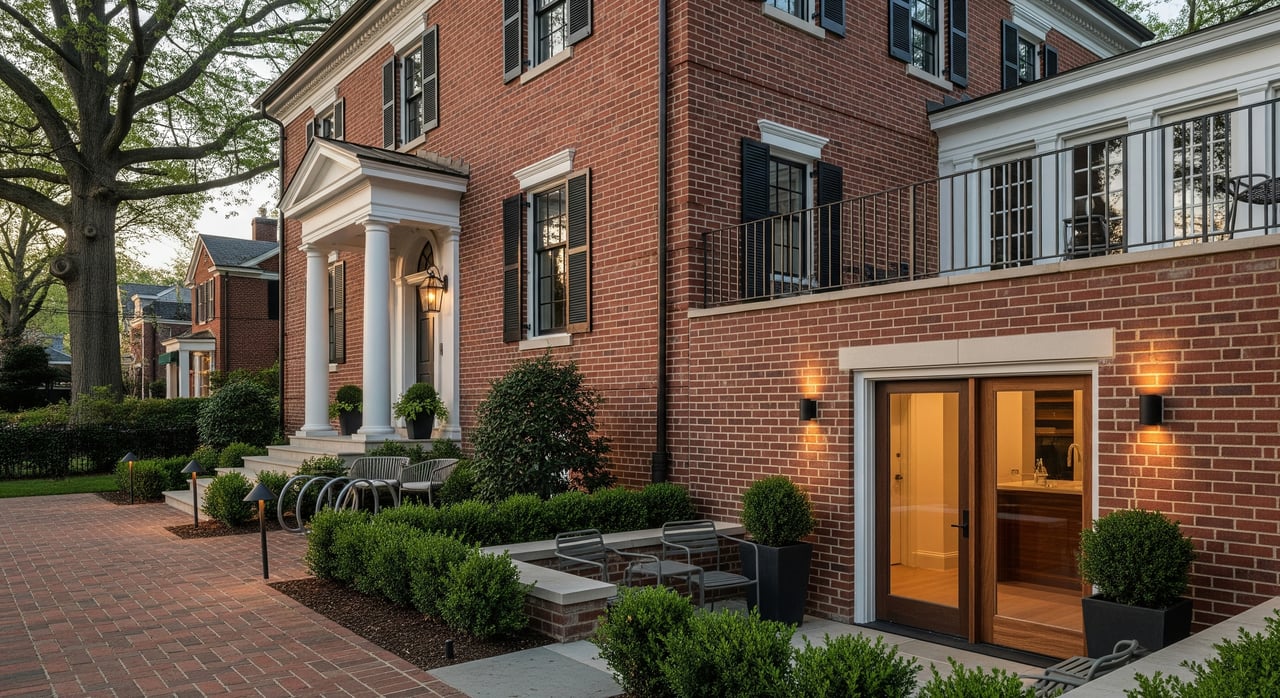
House hacking can turn your biggest expense into a strategic asset. If you live in Fairfax and want to lower your monthly housing costs, you have more options than you might think. With the right plan, you can rent part of your home, qualify for flexible financing, and stay compliant with local rules. In this guide, you will learn practical strategies that work in Fairfax, plus the legal, financing, and operational steps to do it confidently. Let’s dive in.
What house hacking means in Fairfax
House hacking means you live in one part of a property and rent out the rest to offset your costs. In Fairfax, you might:
- Buy a 2 to 4 unit property and live in one unit.
- Rent rooms in a single-family home.
- Convert or use a basement or in-law suite as an accessory dwelling unit.
- Use a separate-entrance space in a duplex or townhouse.
- Offer a spare unit or room as a short-term rental, if rules permit.
Short-term rentals and long-term rentals are different. They follow different rules and carry different demand patterns. Be clear on which path fits your property and lifestyle.
Fairfax market snapshot for house hackers
Fairfax sits in a high-cost, high-demand metro. Proximity to transit, major employers, and highways shapes rent potential. Neighborhoods near commuter nodes and corridors often command higher rents and more stable demand. University activity also supports rental interest in parts of the county.
The bottom line is simple. Higher local rents can make house hacking compelling in Fairfax. Your results will depend on location, property layout, and compliance with local rules.
Know the rules first
Local rules drive what is possible. Fairfax City and Fairfax County have separate codes and processes. Always confirm whether a property is in the City or the County before you plan a house hack.
City vs. County rules
Fairfax City and Fairfax County may treat accessory units, short-term rentals, and occupancy limits differently. If you are buying, include this check early in your due diligence. Call or visit the appropriate planning and zoning office to verify what is allowed and what approvals you need.
Zoning and ADUs
Accessory apartments and ADUs are often allowed with conditions. Common criteria include maximum size, owner-occupancy, parking, setbacks, and separate entrance requirements. Some areas require special permits. Separate utility meters may be limited. Confirm the exact standards before you design a conversion.
Permits and safety
If you plan to rent a basement or garage as a separate unit, expect building-permit review. Egress windows or doors, ceiling height, ventilation, smoke and CO detectors, and fire separation can apply. Electrical and plumbing must meet the Virginia Uniform Statewide Building Code as adopted locally. Unpermitted units risk fines, insurance issues, or orders to vacate. Get permits in writing before work begins.
Short-term rentals and HOAs
Short-term rentals are regulated in Northern Virginia. Registration, taxes, safety checks, and limits may apply. Many HOAs and condos restrict rentals or set minimum lease terms that block short stays. Some impose rental caps or require board approval. Always review HOA or condo bylaws and confirm city or county requirements before listing.
Landlord tenant law basics
Virginia’s Residential Landlord and Tenant Act governs leases, deposits, notices, entry, and evictions. Fairfax courts handle landlord-tenant cases. You must follow Fair Housing rules in advertising and tenant selection. Use clear, lawful screening standards and standard lease forms. If this is your first rental, consult a real estate attorney or property manager for compliance.
Taxes and licensing
Property tax is assessed by Fairfax City or Fairfax County. If you operate a short-term rental, transient occupancy taxes and local registrations may apply. Some jurisdictions require business licenses or rental registration. Confirm requirements with the city or county revenue office.
Financing paths that work
Matching your plan to the right loan can make house hacking possible with a modest down payment. Lenders vary in how they treat rental income from other units, so work with one who understands multi-unit and ADU scenarios.
FHA and VA options
FHA loans allow you to buy 1 to 4 unit properties if you live in one unit. Many first-time buyers use this because of the lower down-payment path. Eligible veterans can use VA loans to purchase multi-unit properties, also up to 4 units, with owner occupancy. Confirm current program terms with an approved lender.
Conventional and portfolio loans
Conventional programs from Fannie Mae and Freddie Mac finance 2 to 4 unit properties, but down payments and reserve requirements are often higher than for a single-family home. Some local portfolio lenders and credit unions offer owner-occupant investor products that can fit unique layouts or ADUs.
Underwriting tips
Lenders differ in how much of your projected rent they will count toward your income. Some allow a portion of expected rent with proper documentation and appraiser rent schedules. Preapproval with a lender who regularly underwrites multi-unit or ADU deals is key. Clarify occupancy requirements, seasoning rules, and how rental income will be documented.
Insurance and risk management
If you rent any part of your home, your insurance needs change. A standard homeowners policy may not cover tenant-related losses or liability. Ask your insurer about a landlord or rental dwelling endorsement for long-term tenants. If you plan short-term rentals, you may need a specific STR endorsement or a separate policy. Insurers often require that units are permitted and code compliant.
Five Fairfax house hacking strategies
Buy 2 to 4 units and live in one
This is a classic path with clear separation between your space and the tenant’s space. Underwriting can be friendlier because some lenders count rental income. You will manage more building systems and should plan for inspections. Focus on neighborhoods near transit and employers. Get full inspections for electrical capacity, plumbing, and fire separation.
Single-family with a basement apartment or ADU
You can generate strong rent while keeping privacy. The tradeoff is conversion cost and permitting. Confirm ADU rules, parking, and entrance requirements before you start. Plan for egress windows, HVAC, electrical upgrades, and inspections. Secure written approvals before any work.
Renting rooms in a single-family home
This can deliver strong cashflow with minimal renovation. You may face higher turnover and more shared-space management. Confirm occupancy limits for unrelated persons and any HOA rules. Use written house rules, screening, and clear roommate agreements to avoid disputes.
Short-term rentals of a room or unit
Short stays can deliver higher nightly rates near tourist or business hubs, transit, and event corridors. They also carry higher operating costs and more regulation. Confirm local STR rules, taxes, and HOA limits before you buy or list. If you do not have time to handle messaging and cleaning, consider third-party management.
Live-in renovation to unlock value
Buy under market value and live in the property while you bring a second unit or space up to rentable condition. This builds equity and creates income potential when complete. Expect construction disruption and financing complexity if the rehab is significant. Set a realistic budget and timeline with permits.
Run the numbers right
Your goal is to cover as much of your mortgage and expenses as possible while keeping a cushion for risk. Conservative assumptions will keep your plan durable.
Key inputs to model
- Purchase price, down payment, rate, and term.
- Realistic monthly rent based on current comps.
- Vacancy allowance of 5 to 10 percent for long-term rentals and higher for short-term rentals.
- Operating expenses: taxes, insurance, HOA or condo fees, owner-paid utilities, repairs, and maintenance.
- Property management fees if you outsource. Long-term fees often range from single digits to low teens as a percent of rent, while STRs run higher.
- Capital expenditure reserve for roof, systems, and major items.
- Income taxes and depreciation estimates with a CPA.
Due diligence checklist
- Confirm whether the property is in Fairfax City or Fairfax County and what each allows.
- Verify zoning for ADUs or multi-family use.
- Review HOA or condo rules for rental caps, minimum lease terms, and STR limits.
- Order a full inspection focused on egress, electrical, plumbing, and fire separation.
- Get written permit and cost estimates for any conversion work.
- Use standard lease forms that comply with Virginia law and understand deposit and notice rules.
- Pull rent comps for the specific layout and location. Note transit access, separate entrances, and parking.
Red flags to avoid
- Unpermitted basement or garage conversions.
- HOA rental caps or restrictions that block your plan.
- Lack of legal egress in basement bedrooms.
- Properties in a floodplain without proper insurance considerations.
- Deed restrictions or covenants that limit rentals.
How Treasury Homes helps
You do not have to navigate this alone. Our team guides you through property selection, rent comps, permit feasibility, and lender introductions so you can choose the right strategy with confidence. We focus on practical layouts, zoning fit, and cashflow durability. If you are weighing a basement conversion, a duplex, or a room-rental setup, we will help you model costs, timelines, and rental potential.
When you are ready to act, we coordinate inspections, connect you with vetted contractors and lenders, and streamline the closing with a clear plan for day one. If house hacking is part of your long-term wealth strategy in Northern Virginia, we would love to be your local partner.
Ready to explore house hacking opportunities in Fairfax? Start a conversation with the team at Treasury Homes today.
FAQs
What is house hacking in Fairfax?
- It means you live in one part of a property and rent out another part, such as a separate unit, basement apartment, or bedroom, to offset housing costs.
Is it legal to rent a basement apartment in Fairfax?
- It can be, but you will likely need permits and must meet building and safety codes, so confirm requirements with the correct city or county office before converting or renting.
Are short-term rentals allowed in Fairfax?
- Short-term rentals are regulated and may require registration, taxes, and safety compliance, and many HOAs restrict them, so verify rules before listing.
Can FHA or VA loans finance a duplex in Fairfax?
- Yes, FHA and VA programs can finance up to 4 units if you live in one unit, subject to program rules and lender underwriting.
How much can a Fairfax house hack offset my mortgage?
- It depends on achievable rent minus expenses and vacancy, and conservative modeling using local comps will give you a realistic offset estimate.
What should I check before buying a house hack in Fairfax?
- Confirm city versus county rules, zoning, HOA restrictions, permit feasibility, rent comps, and financing terms, and use standard leases that follow Virginia law.