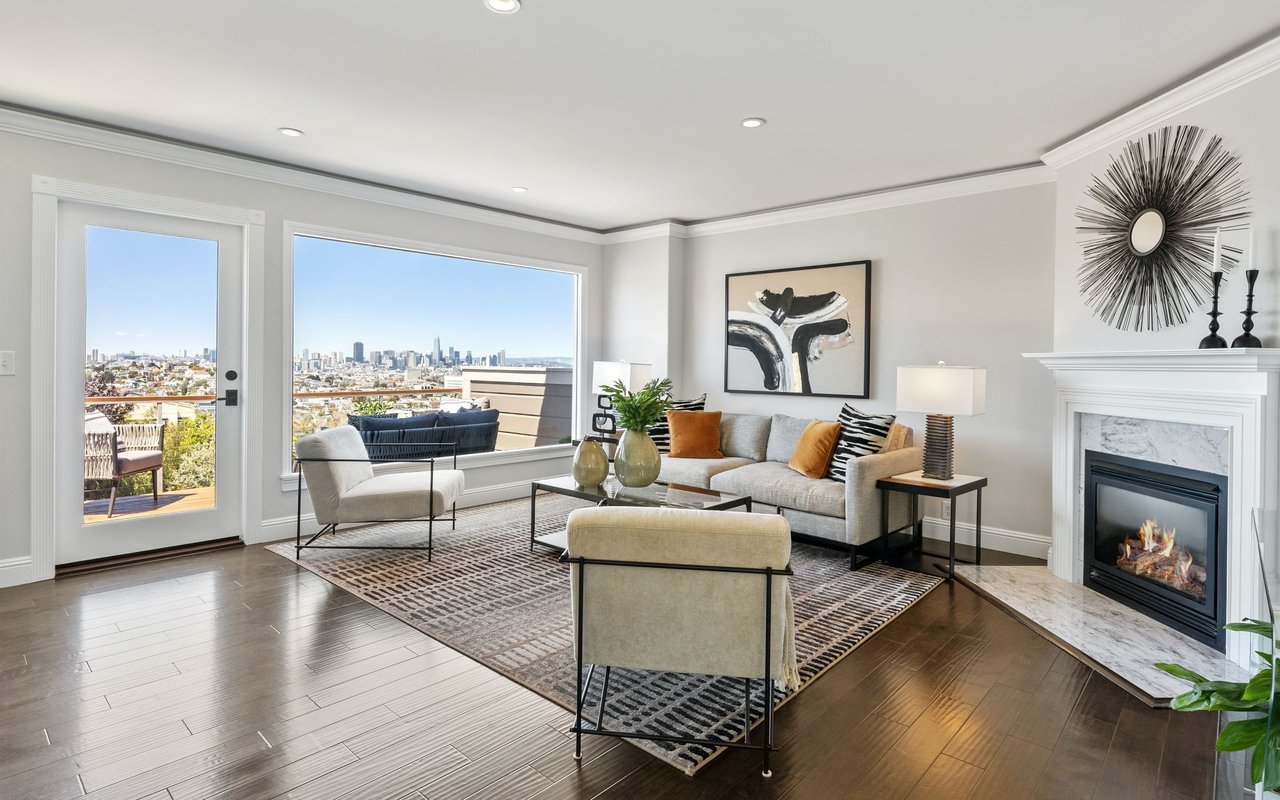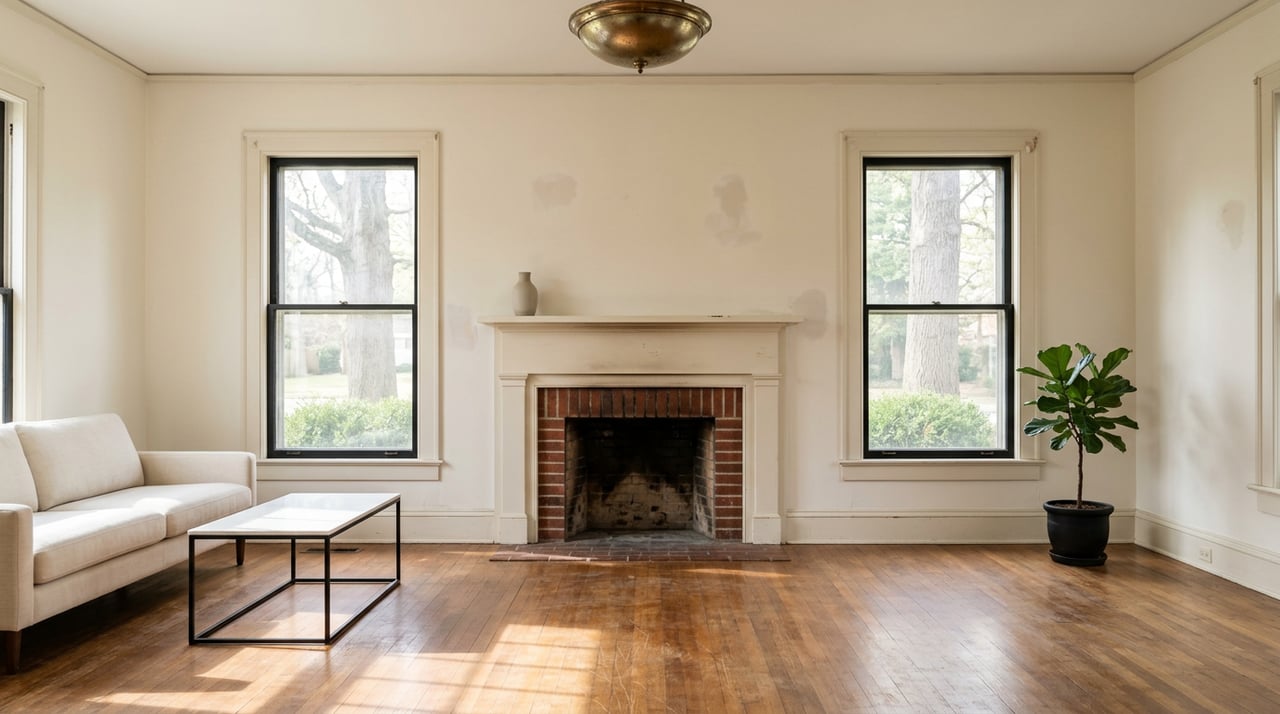
Eyeing an older home in Oakton and wondering if it could be your smartest move this year? You’re not alone. With many homes built in the 1960s–1980s, Oakton offers solid structures that often need modern updates. In this guide, you’ll learn how to spot promising fixer-uppers, estimate renovation costs, navigate Fairfax County permits, and run simple ARV math so you can make confident offers. Let’s dive in.
Oakton market snapshot
Recent aggregator snapshots vary, but they tell a consistent story: Oakton sits at a higher price point within Fairfax County, with renovated homes drawing strong buyer attention. Some services report a median sale price near the mid-$600s and others closer to the $900k range, with price per square foot around the mid-$360s. The takeaway is simple: always verify with local, renovated sold comps before you write an offer.
Oakton is an established, largely owner-occupied community about 16 miles from D.C. The median value of owner-occupied homes is high by national standards, reflecting steady demand and quality housing stock. You can see this broader context in the Census QuickFacts for Oakton’s owner-occupied home values and demographics. Explore Oakton data on Census QuickFacts.
What to look for on your first visit
Use this quick screen to decide if a house merits deeper due diligence:
Location and comps
- Look for same-street or nearby renovated sales within the last 3–6 months. If updated comps are trading at a clear premium, a cosmetic-to-midrange rehab can work. For ARV basics, see this plain-English explainer on after-repair value. Learn how ARV works.
Lot and curb appeal
- Good signs: level lot, private rear yard, easy driveway access. Watch for steep grading, evidence of standing water, or proximity to noise corridors. Check flood risk early. Review FEMA map resources.
Lower-risk “cosmetic” signals
- Dated finishes, original kitchens and baths, intact structure, and functioning mechanicals. Midrange kitchen and bath updates often recoup a strong share of cost. See Cost vs. Value benchmarks.
Higher-risk “hidden cost” signals
- Active water intrusion, foundation settlement, old electrical systems, or oil tanks. Some older wiring can affect insurability. Understand insurer concerns with old homes.
Function and layout opportunities
- Closed-off rooms, undersized primary suites, or awkward kitchen locations can be powerful value levers if solved correctly. These often trigger permits and structural work, so plan scope and budget accordingly. Compare ROI by project type.
Systems to verify early
- Roof, HVAC, water heater, electrical panel, sewer lateral, and fuel type. For pre-1978 homes, plan for lead-safe work. Read EPA RRP rules.
Fairfax County permits and rules
Fairfax County requires permits for structural changes and most major electrical, plumbing, and HVAC work. Typical residential addition or alteration permits average about 45 days from start to issuance when you include applicant and staff time, and plan review can add steps. Review Fairfax County permit guidance.
Common permit triggers include:
- Moving plumbing fixtures, relocating gas lines, or reconfiguring kitchens and baths.
- Cutting load-bearing walls, adding windows or egress, finishing basements, or installing fuel-fired appliances.
- Like-for-like cabinet swaps in the same location may not require a building permit, but moving plumbing or electrical usually does. Always confirm with the county.
Hazardous materials and licensing:
- Pre-1978 homes fall under the federal RRP Rule for lead-safe practices. Budget for lead-safe work and testing where applicable. EPA RRP overview.
- Verify contractor licensing and insurance through Virginia DPOR, and request documentation of RRP certification. Check Virginia contractor licenses.
Budget ranges and ROI basics
Use these ballpark ranges as a first pass, then refine with local bids and Oakton comps:
- Whole-house cosmetic refresh: about $15–60 per sq ft depending on finish level.
- Kitchen: $25k–$60k for midrange; $70k–$160k+ for a major gut or upscale.
- Bathroom: $15k–$35k for midrange; higher for upscale.
- Basement finish: $30k–$75k depending on scope.
Plan a 10–20% contingency for older homes. Include permit and inspection fees, potential reinspection costs, and time in your holding-cost math. For fee structure context, review the county’s schedule. See Fairfax County fee schedule. For project ROI patterns by region, use the latest Cost vs. Value report. Cost vs. Value project returns.
Build your ARV and offer strategy
Use this simple approach to stay grounded in local reality:
Build a comp set. Focus on 3–6 recently sold, renovated homes in the same subdivision or a very similar nearby pocket. Adjust for square footage, bed/bath count, finished basement, lot size, and finish level.
Cross-check with price per square foot. In Oakton, recent snapshots often show the mid-$360s per sq ft. Use $/sq ft as a gut check, but let the most similar renovated comps lead your ARV.
Add a conservative buffer. Protect your downside by discounting your comp-derived ARV by 5–10% to account for appraisal variance and market shifts. Why buffer your ARV.
Apply an investor heuristic. A common screen is the 70% rule: Maximum Offer = (ARV × 70%) − Repairs. Many adjust this percentage for local competition and financing. ARV and the 70% rule explained.
Oakton fixer-upper example
Here is a simple, illustrative scenario to show the math:
- Home size: 2,200 sq ft detached house built in the late 1970s.
- Renovated comps: about $360 per sq ft. Estimated ARV = 2,200 × $360 = $792,000.
- Conservative buffer: 7% → Adjusted ARV ≈ $737,000.
- Scope: cosmetic refresh at $30 per sq ft ($66,000), a midrange kitchen ($45,000), one midrange bath ($25,000), plus systems allowances ($15,000). Subtotal ≈ $151,000.
- Add 15% contingency: about $22,650. Estimated total repairs ≈ $173,650.
Offer screens:
- 70% rule: 0.70 × $737,000 = $515,900; minus $173,650 repairs → Max offer ≈ $342,250.
- 75% variant: 0.75 × $737,000 = $552,750; minus $173,650 → Max offer ≈ $379,100.
These are screening numbers, not final valuations. Your actual offer should reflect your exact comp set, bids from licensed contractors, carrying costs, and your confidence in scope and permits. For ROI planning, consult regional benchmarks to prioritize projects that tend to recoup more. See project-level ROI patterns.
Due diligence checklist
Before you submit an offer or during your contingency period, work this list:
- Pull tax assessment and permit history; note any unpermitted additions. Start with Fairfax County resources.
- Run a FEMA flood map check and walk the lot for drainage clues. Check FEMA resources.
- Request seller disclosures, utility statements, and ages of roof, HVAC, water heater, and major components.
- Order a professional home inspection and trade-specific inspections as needed, including sewer lateral where applicable. If old or unsafe wiring appears, get a licensed electrician’s quote and verify insurability. Read insurer perspectives on old systems.
- For pre-1978 homes, plan for lead-safe practices and testing. EPA RRP overview.
- Collect 2–3 written bids for each major scope item. Use these to refine your ARV and offer math.
- Verify contractor licensing and insurance at DPOR; request RRP documentation. DPOR license lookup.
Common mistakes to avoid
- Skipping a realistic contingency on older homes. Surprises are common behind walls and under floors.
- Overlooking Fairfax County permitting steps and timeline. Plan 30–60 days or more for reviews and coordination depending on scope. Permit guidance.
- Over-improving beyond local comps. Midrange updates often attract the broadest Oakton buyer pool. Check Cost vs. Value.
- Hiring without license and insurance verification or lead-safe documentation. Verify at DPOR.
Ready to explore fixer-uppers in Oakton?
If you want a data-backed plan from search to resale, our team can help you target the right streets, build a comp-driven ARV, line up vetted contractor bids, and navigate Fairfax permits with fewer surprises. Connect with Treasury Homes for local, renovation-savvy guidance and a smoother path from offer to sold. Reach out to Treasury Homes to start your Oakton search.
FAQs
What makes a fixer-upper in Oakton a smart buy?
- Strong comps for renovated homes, a solid structure with mostly cosmetic updates needed, and a lot/location that appeals to the broad Oakton buyer pool are key signs.
Which renovations usually recoup best in Northern Virginia?
- Midrange kitchens, baths, and curb appeal projects tend to show stronger percentage recoup than upscale full-gut projects based on Cost vs. Value benchmarks.
How long do Fairfax County remodel permits take?
- Recent county reporting indicates about 45 days from start to issuance for many residential alteration permits, plus plan review and applicant response time as needed.
Do I need EPA lead-safe contractors for older Oakton homes?
- If the home was built before 1978 and you hire out renovation work that disturbs paint, the federal RRP Rule requires lead-safe practices by certified firms.
How can I estimate ARV and a maximum offer quickly?
- Build a comp set of recent renovated sales, apply a 5–10% buffer, then use the 70% rule as a screen: Max Offer = (ARV × 70%) − Repairs; adjust for market conditions.