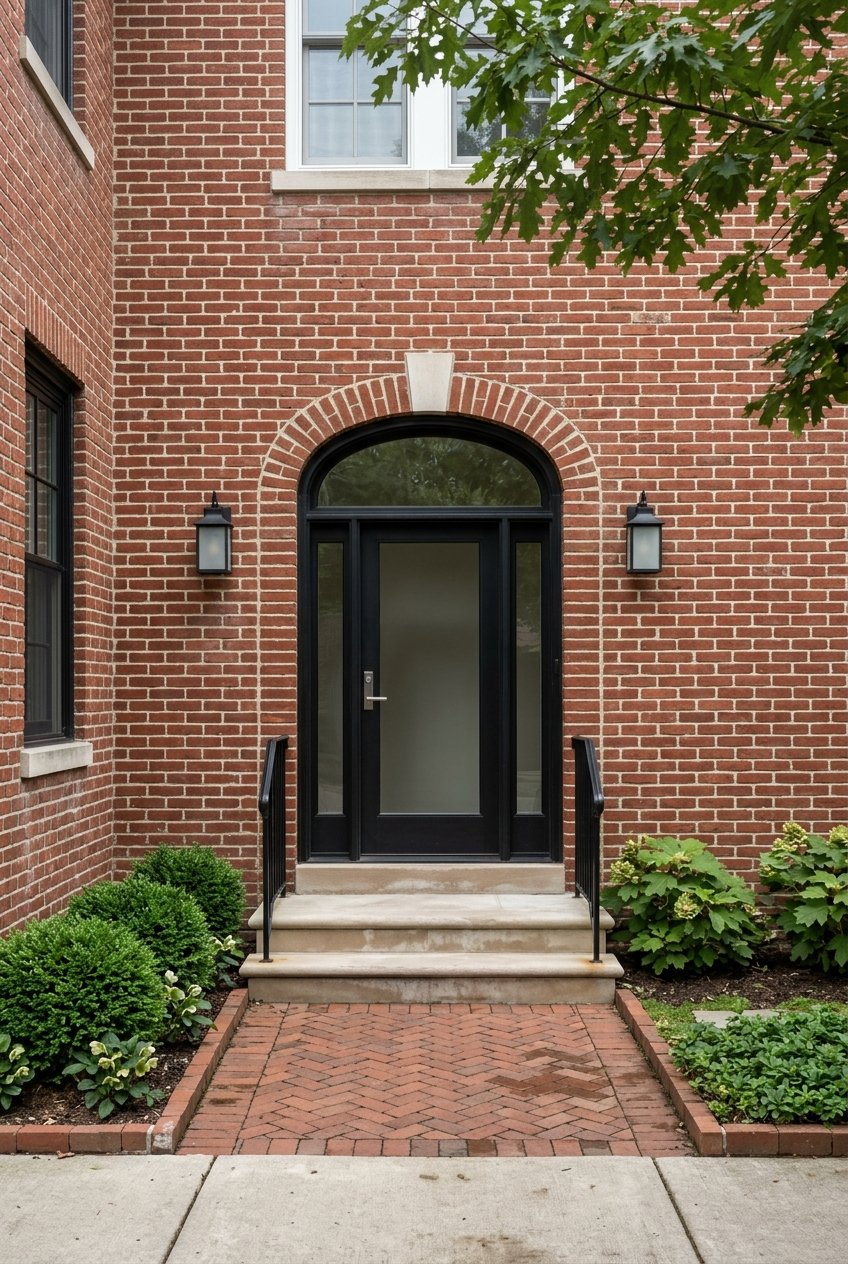
Buying a condo in Dupont Circle can feel exciting and a little complicated at the same time. You are not just choosing a home. You are also choosing a building, an association, a monthly fee structure, and in some cases, a property with historic rules that can affect future changes. The good news is that with the right steps, you can move forward with much more clarity. This guide walks you through what to budget, what to review, and what to ask before you buy. Let’s dive in.
Understand Dupont Circle condo stock
Dupont Circle is not a one-size-fits-all condo market. According to the DC Office of Planning’s overview of Ward 2, the area is known for grand Victorian townhomes, stand-alone mansions, and a historic district listed on the National Register. For you as a buyer, that often means a mix of historic conversions, older apartment buildings, and some newer infill projects.
That mix matters because two condos at a similar price point can offer very different ownership experiences. One building may have charm and period details, while another may have newer systems and fewer maintenance concerns. In Dupont Circle, it is important to compare the unit itself and the building behind it.
Set your full budget early
Your down payment is only part of the cost of buying a condo. The Consumer Financial Protection Bureau notes that condo or HOA dues are usually paid directly to the association, not rolled into your mortgage payment, and they can range from a few hundred dollars per month to more than $1,000.
You should also plan for closing costs. CFPB says closing costs typically run about 2% to 5% of the purchase price, excluding your down payment. In DC, you also need to understand deed taxes and recording costs because they can significantly affect your cash needed at closing.
Budget line items to include
Before you start touring seriously, account for:
- Down payment
- Estimated closing costs at 2% to 5% of the purchase price
- Monthly condo or HOA dues
- Unit-level condo insurance
- Moving costs
- Any near-term repair or furnishing needs
If you are buying your first home in DC, you may also want to ask about possible tax savings. The DC Office of Tax and Revenue says first-time homebuyers may qualify for a reduced recordation tax rate of 0.725% for houses and condominium units, subject to the stated purchase-price cap and filing requirements.
Compare lenders and loan estimates
Financing for a condo can be more nuanced than financing for a detached home. The CFPB recommends requesting and reviewing multiple Loan Estimates because comparing lenders can save you money. CFPB also notes that lenders may charge slightly more for condo loans, which makes rate and fee shopping even more important.
You do not need to wait until the last minute to start this step. Once a lender has the required information, they must provide a Loan Estimate. Reviewing several side by side can help you understand your rate, lender fees, and projected cash to close.
Ask your lender condo-specific questions
When you talk with lenders, ask:
- Does my loan type require condo project approval?
- Has the lender reviewed this building before?
- Are there any project-level concerns that could affect underwriting?
- How will HOA dues affect my debt-to-income ratio?
These questions matter because condo eligibility is not only about you as a borrower. It is also about the building.
Confirm the building fits your loan
This is one of the most important steps in the process. HUD states that an FHA condominium project must be approved before FHA mortgage insurance can be processed for an individual unit. Fannie Mae also explains that lenders review project-level issues such as master insurance, critical repairs, litigation, and whether the project functions like a hotel or permits daily or short-term rentals.
In practical terms, a financially qualified buyer can still hit a roadblock if the project itself does not meet lending standards. That is why it helps to check building eligibility early, especially if you are using FHA financing or need conventional financing that meets Fannie Mae guidelines.
Prioritize location details within Dupont Circle
Dupont Circle is well known for convenience, but convenience can vary from building to building. The Dupont Circle BID transportation page highlights Red Line access, Capital Bikeshare stations, street parking, garages, and the area’s walkability. Those details can shape your day-to-day experience more than you might expect.
If you own a car, parking may be a major factor. If you bike or commute by Metro, bike storage and station access may matter more. Storage, package handling, elevator access, and bike rooms can all become important tie-breakers when you compare buildings.
Make an offer with smart protections
Once you find the right condo, confidence comes from protecting yourself in the contract. The CFPB says it is a good idea to make your offer and sales contract contingent on financing and a satisfactory inspection. With a condo, that mindset should go beyond the interior of the unit.
You are also buying into the building’s shared systems and financial health. Roofs, facades, hallways, plumbing stacks, elevators, and reserves can all affect your costs after closing. A solid offer strategy balances competitiveness with reasonable due diligence.
Review condo documents carefully
In DC, condo document review is not just a box to check. It is a legal and financial due-diligence step with a specific timeline. Under DC law, in a resale the seller must provide the condo instruments and certificate on or before the 10th business day after you sign the contract. After you receive them, you have 3 business days to cancel in writing. If the documents are not delivered on time, you can cancel before receipt.
That short review window means you should be ready to examine the package quickly with the right professionals. Waiting until the last day can add unnecessary stress.
Documents that matter most
The statutory certificate can reveal issues that directly affect your risk and future costs. DC law says it must include items such as:
- Planned capital expenditures
- Reserve balances
- The association’s current budget
- The most recent financial statement
- Pending lawsuits or judgments
- Insurance coverage
- Confirmation about alterations made to the unit
- Any remaining leasehold term, if applicable
These are not minor details. They help you understand whether the association appears financially stable, whether major work may be coming, and whether the unit has compliance issues tied to past alterations.
Look for reserve and maintenance red flags
A condo building can look great during a showing and still have hidden financial pressure. Fannie Mae notes that repairs may be paid from reserves or through special assessments, and underwriters may review reserve studies even though they are not always required for eligibility.
As you review the condo package, pay attention to reserve funding, deferred maintenance, and signs of upcoming large projects. If the building needs major repairs and reserves are thin, owners may face higher dues or special assessments later. This is one of the clearest ways to buy with confidence instead of surprises.
Ask about rentals and building rules
Building rules can affect both your financing and your future flexibility. Fannie Mae identifies hotel-like operations and daily or short-term rental activity as common reasons a condo project may be ineligible.
That means you should ask direct questions about rental policies before you remove contingencies. If you may want to rent the unit later, understanding the rules now can help you avoid disappointment. If you do not plan to rent it, the building’s policies can still affect loan approval and resale appeal.
Understand insurance responsibilities
Some buyers assume the building’s master policy covers everything. It usually does not. The CFPB explains condo insurance by noting that condo owners generally need their own unit-level insurance, even when the association carries master insurance for common areas.
This is another reason to review the association’s insurance information early. You want to understand what the master policy covers and what you will need to insure personally. Your lender can also help you confirm insurance requirements before closing.
Plan for DC closing costs and taxes
When you get close to closing, local taxes matter. The DC Office of Tax and Revenue Recorder of Deeds FAQs says residential deed recordation tax and deed transfer tax are 1.1% if the transfer is under $400,000, or 1.45% on the full amount if the transfer is $400,000 or more.
Because these costs can materially affect your total cash needed, it is smart to review your estimated settlement statement early. OTR also notes that the Recorder of Deeds cannot provide legal advice, which is one reason buyers often benefit from guidance from a lender, attorney, and title or settlement professional.
Consider historic district rules
Dupont Circle’s historic character is part of its appeal, but it can also shape what you can change later. If the condo is in the historic district and you hope to alter exterior elements in the future, the DC Department of Buildings says some work may require a Historic Property special permit. The Office of Planning also notes that major alterations on historic properties can require review.
For many buyers, this will not affect daily life at all. But if your long-term plan includes exterior changes, windows, or other building-related alterations, it is worth understanding the rules before you buy.
Build the right support team
Buying a condo with confidence usually comes down to having the right people helping you at the right time. The CFPB notes that independent settlement agents, including attorneys, may provide objective advice and sometimes lower costs.
For a Dupont Circle condo purchase, it is wise to review financing, condo documents, and closing questions with your lender, attorney, and title or settlement professional. When your real estate team coordinates that process well, you can move faster without cutting corners.
If you want a steady, step-by-step approach to buying in Dupont Circle, Treasury Homes can help you navigate the search, compare buildings, and stay organized from offer through closing.
FAQs
How much should I budget beyond the down payment for a Dupont Circle condo?
- In addition to your down payment, plan for closing costs that CFPB says are typically 2% to 5% of the purchase price, plus monthly condo dues, unit-level insurance, moving expenses, and any immediate repairs or updates.
How long do I have to review condo documents in DC after receiving them?
- In a DC condo resale, after you receive the condo instruments and certificate, you have 3 business days to cancel in writing under DC law.
Which condo documents matter most before removing contingencies on a DC condo?
- Focus on the statutory certificate and related documents showing reserve balances, planned capital expenditures, the current budget, recent financial statements, insurance coverage, pending litigation, and any confirmed alterations to the unit.
Does an FHA or conventional loan require condo project approval in Dupont Circle?
- It can. HUD says FHA condo projects must be approved before FHA mortgage insurance can be processed, and conventional lenders may also review project eligibility issues such as insurance, repairs, litigation, and rental structure.
What building rules should I ask about before buying a Dupont Circle condo?
- Ask about rental restrictions, especially short-term or transient rentals, parking and storage rules, pet policies if relevant to you, and any historic-district or exterior alteration rules that could affect future plans.