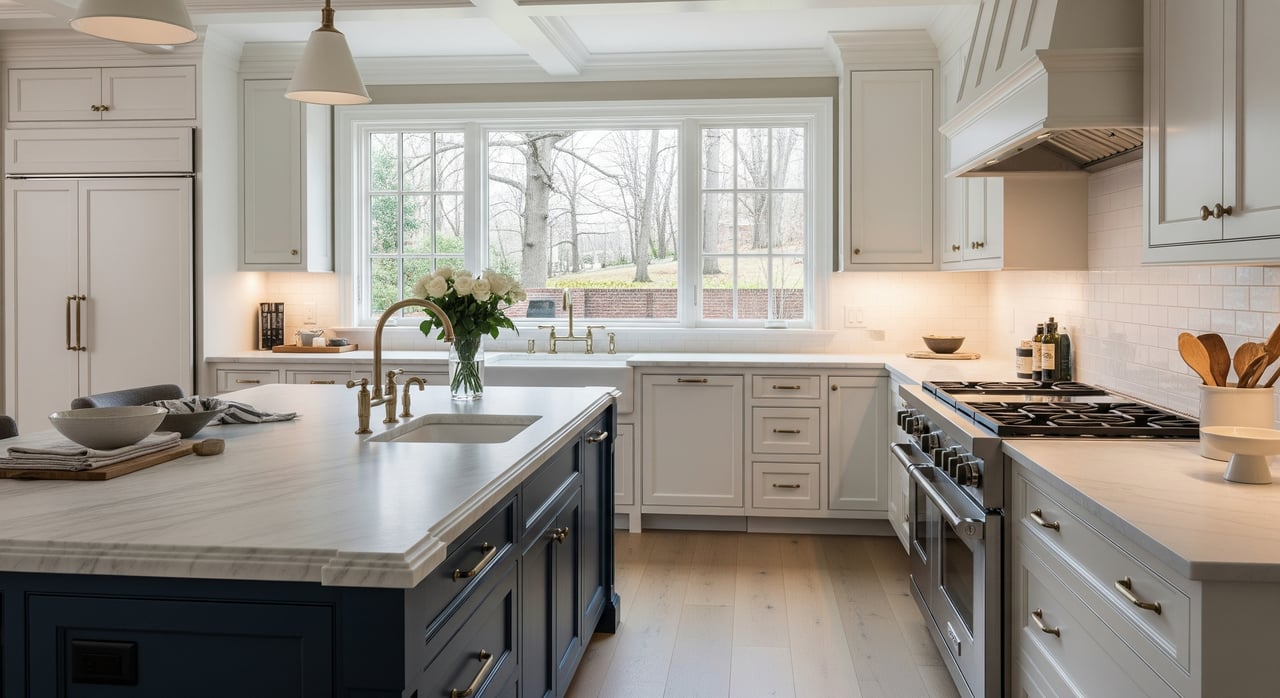
Are you wondering which kitchen upgrades actually make buyers in Fairfax stop and say, “This is the one”? You want to invest wisely, avoid unnecessary delays, and make sure your home shows its best. In this guide, you will learn the updates buyers love, what they cost, how to prioritize, and how Fairfax-specific rules affect timing. Let’s dive in.
What Fairfax buyers value
Fairfax attracts professionals, households that value convenience, and buyers who care about energy use and low-maintenance living. Many look for kitchens that work for family meals, casual entertaining, and flexible work-from-home habits. Updated, move-in-ready kitchens often stand out in local search results and can reduce days on market.
Local market conditions can shift, so timing matters. In many Northern Virginia neighborhoods, turnkey condition is rewarded, but you should weigh scope and budget against recent comparable sales. If you are unsure how far to go, use the prioritization checklist below and talk through current comps before committing to a major remodel.
High-impact features buyers love
Layout and flow
Buyers respond to open-plan kitchens with islands or peninsulas that allow seating and conversation. Clear sightlines to living or dining areas and good natural light go a long way. If you cannot remove a wall, consider a pass-through or wider doorway to improve visual flow.
Storage and organization
Pantry solutions, whether walk-in or well-organized pull-outs, rank high. Deep drawers for pots and pans, tray dividers, and roll-out shelves make everyday use easier. Extending upper cabinets to the ceiling or finishing tops with crown gives a tailored look that photographs well.
Cabinets and hardware
You can often refresh cabinets instead of replacing them. Refacing or repainting in white, warm gray, or soft taupe creates a clean, current feel. Add soft-close hinges and updated hardware in brushed nickel, matte black, or warm brass for a quick style lift.
Countertops and backsplash
Quartz remains a favorite for durability and easy care, with granite still a solid choice. Light, neutral counters help smaller kitchens feel larger and brighter. For backsplashes, keep it simple with subway tile, large-format tile, or a neutral mosaic.
Appliances and fixtures
Stainless or black stainless is widely expected. Multi-burner ranges and double ovens appeal in larger homes where cooking and hosting are common. Choose Energy Star-rated appliances when possible, and pair them with a high-quality single-handle pull-down faucet and an undermount sink.
Lighting and electrical
Layered lighting adds both function and style: recessed lights for general illumination, under-cabinet strips for tasks, and one or two pendants over the island. LEDs keep energy use and maintenance down. Extra outlets, including USB or charging stations, are a useful touch on islands and inside pantries.
Flooring and durability
Wide-plank luxury vinyl plank or sealed hardwood can handle spills and traffic. Avoid dated or slick tile that makes the space feel cold. Keep transitions clean where the kitchen meets adjoining rooms.
Color and finishes
A neutral, warm palette appeals to the widest audience. Stick to soft whites, warm grays, and greige to let buyers imagine their style. Matte or satin finishes on cabinetry and fixtures are popular and easy to maintain.
Smart and sustainable touches
Smart-compatible lighting, thermostats, and Wi-Fi–enabled appliances are a plus, even if they are not deal-makers. Energy-efficient choices, including induction cooktops and efficient ventilation, can lower operating costs and support resale appeal.
Costs and ROI in Fairfax
Project types and timelines
A cosmetic refresh often takes days to a couple of weeks and includes paint, hardware, lighting, and a modest backsplash. A minor remodel that adds countertop and appliance upgrades usually runs 2 to 6 weeks, depending on scheduling. Major remodels that change layouts and move utilities often take 4 to 12 or more weeks, plus permits and inspections.
Budget ranges to plan around
Cosmetic updates can run from a few hundred to several thousand dollars. Minor remodels commonly land in the low five figures, about 10,000 to 40,000 dollars depending on choices. Major remodels that reconfigure the space can range from 50,000 to 150,000 dollars or more. In the DC and Northern Virginia region, labor and permitting often push costs above national averages, so gather multiple local bids.
What typically pays back
Targeted upgrades often deliver stronger percentage returns than full luxury remodels. Fresh paint, hardware, lighting, countertops, and cabinet refacing can boost buyer interest and shorten time to contract. Full gut remodels can raise the sale price but may not recover every dollar; weigh the spend against neighborhood norms and buyer expectations.
Permits, rules, and safety
In the City of Fairfax or Fairfax County, you usually need permits if you relocate plumbing, add or change electrical circuits, alter gas lines, or remove structural elements. Cosmetic work such as painting, replacing hardware, and like-for-like appliance swaps typically does not require a building permit, although rules vary. Permits and inspections protect you and your future buyer, since unpermitted work can become a closing issue.
If your property is within the City of Fairfax, check the City’s building permit office. If it is in Fairfax County rather than the city, contact the County’s Department of Land Development Services. Townhomes, condos, and HOA communities may have additional rules or contractor requirements, especially for visible systems and exterior-related changes.
How to hire the right pros
Verify contractors through Virginia’s licensing authority and confirm no disciplinary history. Ask for proof of general liability insurance and workers’ comp where applicable. Get a written contract that clearly states scope, materials, schedule, payment milestones, and change-order processes. Request references and photos of similar work in the Fairfax area.
Energy incentives and rebates
Local utility programs may offer rebates for efficient appliances, induction ranges, ventilation upgrades, and efficient water heating equipment. Federal incentives established in recent years can also help offset costs for certain energy-efficient improvements and electrification. Program rules change, so review current utility and federal guidance and speak with a tax professional about eligibility and caps.
Financing your kitchen upgrade
You have several ways to fund improvements. Many sellers use a home equity line of credit or a cash-out refinance. Buyers who plan to renovate after closing can explore renovation mortgages such as FHA 203(k), Fannie Mae HomeStyle Renovation, or a VA Renovation loan for eligible veterans. Some contractors offer short-term payment plans for pre-listing work.
Seller priority checklist
Use this list to decide what to do first and where to stop.
High-priority, low-cost wins
- Deep clean and declutter countertops, and remove personal items.
- Apply fresh neutral paint on walls and trim, and consider painting cabinets if they are sound.
- Replace cabinet hardware and the faucet for an instant update.
- Swap in new pendants and add under-cabinet LED task lighting.
- Ensure appliances are clean and functional, and replace only those that are broken or very dated.
- Repair grout, caulk, and any visible wear.
Mid-priority, moderate spend
- Replace worn or dated countertops with quartz or granite.
- Refinish or reface cabinets to refresh the look without full replacement.
- Improve pantry storage with pull-outs or organizers.
- Upgrade to a modern faucet and a new undermount sink.
Consider carefully, based on comps
- Full reconfiguration or wall removal when nearby sales show a clear premium for open kitchens.
- Custom cabinetry and luxury appliances in higher-end submarkets where buyers expect them.
Staging and photography
- Keep surfaces clear, add a bowl of citrus or a vase, and spotlight workspace and storage.
- Book professional real estate photography with good lighting and wide-angle views.
Timeline and coordination
- Build in buffer for permit timelines and supply-chain delays.
- Sequence work so counters, lighting, and any refacing are complete before photos.
Documentation buyers appreciate
- Save permits and inspection sign-offs, appliance manuals, warranty transfers, contractor invoices, and any energy rebate confirmations.
When a full remodel makes sense
A full remodel fits when the current layout limits daily function or when local comparables consistently show a strong premium for updated kitchens. If the home would otherwise struggle to compete, a well-planned remodel can broaden your buyer pool. If nearby homes sell quickly with light updates, stay focused on cosmetic and mid-range improvements.
Bringing it all together
In Fairfax, buyers lean toward kitchens that are bright, functional, and easy to maintain. If you balance smart cosmetic upgrades with a few strategic improvements, you can boost appeal without overspending. When permits are needed, plan ahead and work with licensed pros to protect your sale.
If you want help deciding what to do, how to sequence it, and which vendors to use, our team can guide you from scope to photography. With Compass-backed tools and vendor relationships, including support options for pre-listing prep, we help you focus on work that moves the needle. Have a kitchen in mind and a timeline to hit? Reach out to Treasury Homes and let’s map a clear, cost-aware plan.
FAQs
Which kitchen upgrades add the most value in Fairfax?
- Targeted updates like fresh paint, new hardware and lighting, quartz counters, and cabinet refacing often deliver stronger percentage returns than full gut remodels.
Do I need a permit to add an island or move outlets?
- If you add or relocate electrical circuits, plumbing, or gas lines, permits and inspections are typically required; cosmetic-only work usually does not, but verify with the local jurisdiction.
How long does a minor kitchen remodel take?
- Most minor remodels run 2 to 6 weeks, depending on contractor schedules, material availability, and any permitting needs.
Can buyers finance renovations after closing?
- Yes, buyers can explore renovation loans such as FHA 203(k), Fannie Mae HomeStyle Renovation, or a VA Renovation loan for eligible veterans.
Are energy-efficient appliances worth it for resale?
- Many buyers value lower operating costs, and with potential utility rebates or federal incentives, efficient appliances can be a smart, marketable choice.