What if your morning walk took you past cobblestone alleys, waterfront views, and café patios before work? If you are weighing a move to Georgetown, you are likely picturing exactly that. You want historic character, great dining, and daily convenience, but you also want the real story on commute, pricing, and day-to-day flow. In this guide, you will learn how life actually works in Georgetown, from mornings on the canal to weeknight errands and realistic transit options. Let’s dive in.
Georgetown at a glance
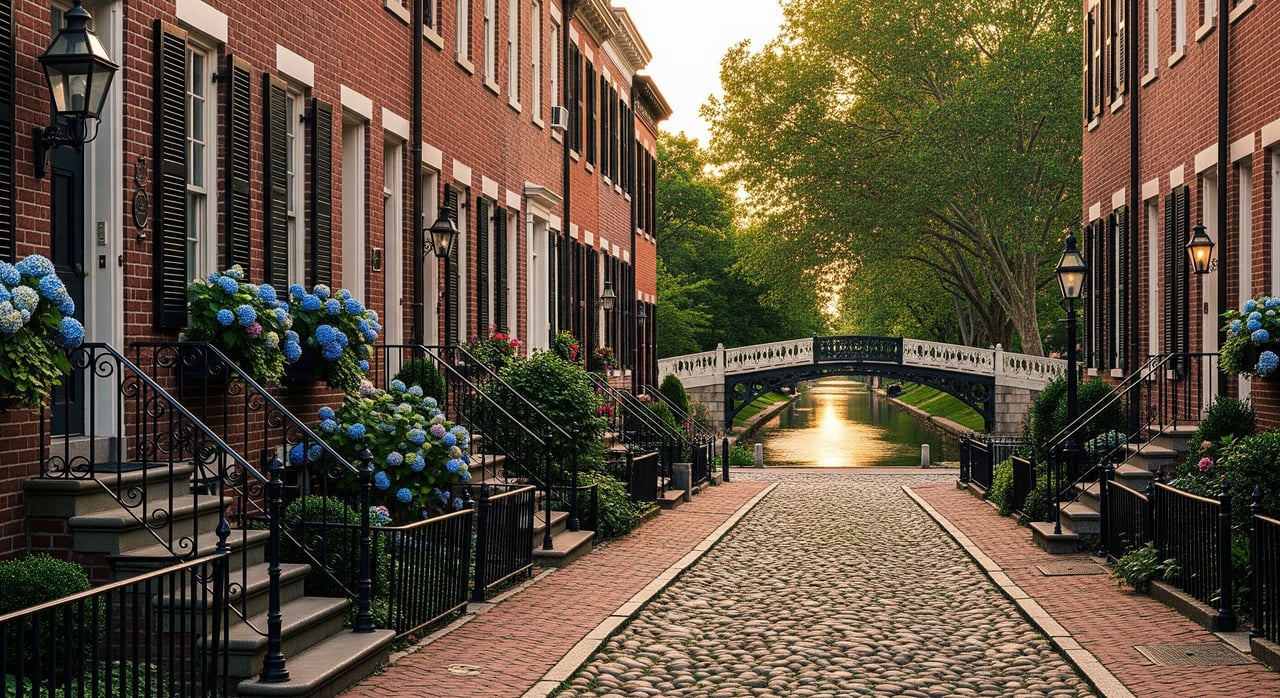
Georgetown sits along the Potomac River in Northwest D.C., centered around the C&O Canal and the waterfront. It is one of the city’s oldest neighborhoods, known for Federal and Georgian rowhouses, narrow tree-lined streets, and sections of cobblestone. The area is a designated historic district, which shapes what can be built or renovated and helps preserve its signature look.
You will find lively retail on M Street and Wisconsin Avenue, including a mix of national brands, independent boutiques, neighborhood services, and long-standing taverns. The neighborhood’s energy also comes from Georgetown University and a steady stream of visitors, especially on weekends and warm evenings near the waterfront.
A typical day in Georgetown
Morning routines
A typical Georgetown morning starts on foot. Many residents grab coffee, pick up a few groceries, or jog along the C&O Canal towpath. Side streets feel calm and residential, with sunlight on brick facades and leafy sidewalks. If you have pets or a stroller, you will notice that daily errands are compact and walkable.
Workday and commuting
Because there is no Metrorail station in the neighborhood, most people mix modes. You might walk or bike to a bus stop, ride into Foggy Bottom, or cross Key Bridge to Rosslyn. Others drive to a garage or use rideshare for downtown meetings. It is very doable, but you should plan for transfers and a bit of extra time compared with Metro-adjacent neighborhoods.
Evenings and weekends
After work, you can choose between quiet side streets and busy main corridors. Waterfront patios and restaurants fill up on nice evenings. Weekends bring a lively scene on M Street and Wisconsin Avenue, while the canal path and parks stay active with walkers, runners, and cyclists. You will also see regular neighborhood events and seasonal happenings supported by local groups.
Getting around
Metro and buses
Georgetown does not have an in-neighborhood Metrorail station. The closest stations are Foggy Bottom–GWU to the east and Rosslyn across the Key Bridge. Multiple Metrobus routes and the DC Circulator connect Georgetown with downtown and nearby hubs. Schedules change, so it is smart to check current routing before you plan your commute.
Biking and walking
Walkability is one of Georgetown’s biggest draws. Day-to-day errands, dining, and parks are often within a few blocks. Cycling is common, supported by the canal towpath and local bike-share options. Keep in mind that narrow streets and cobblestones can make certain routes slower, so many riders pick smoother paths to reach the canal or waterfront trails.
Driving and parking
Many residents keep a car, but parking is limited. You will find a mix of residential permit zones, metered spaces, and private garages. If you plan to own a car, build in time to find parking and consider a garage option. The street network includes one-way blocks and narrow segments, which can affect travel time.
Housing and renovation realities
What you will find
Housing in Georgetown is defined by historic architecture. You will see classic rowhouses and townhomes, plus a range of small to mid-rise condominiums and a handful of apartment buildings. There are also luxury conversions in select buildings. Larger new developments are rare because of preservation rules and community priorities.
Costs and supply
Georgetown is one of Washington’s higher-cost neighborhoods for both rentals and ownership. Pricing reflects the historic housing stock, waterfront access, and limited supply. Single-family rowhouses see lower turnover, while condos and smaller units offer more entry points, though they are still at a premium relative to many other D.C. areas.
Renovations in a historic district
If you plan to renovate, the historic district status is central to your timeline. Exterior alterations, additions, and demolitions typically require review and approval. Interior updates are generally more flexible, but any exterior or structural changes should be planned with the preservation process in mind. Expect added steps for design review that can lengthen timelines.
Everyday conveniences
Groceries and errands
You can handle most daily needs within a short walk, from independent markets to regional grocery chains and pharmacies. For a larger stock-up trip, many residents head to nearby areas like Foggy Bottom or the West End for broader selections. Dry cleaning, salons, fitness studios, and service businesses cluster along M Street and Wisconsin Avenue.
Dining and nightlife
Dining options range from casual cafés and student-friendly spots to refined waterfront restaurants. Historic taverns and long-standing neighborhood favorites add a classic feel. Evenings are lively around the main corridors and the waterfront, while interior residential blocks stay quieter. If you prefer a calm night, you can usually find it by choosing streets away from the main activity.
Parks and the waterfront
The C&O Canal towpath is a daily staple for walking, running, and biking, connecting you toward the National Mall or upriver toward parkland. The Georgetown Waterfront and Washington Harbour offer river views, seating, and seasonal programming. Boating, paddleboarding, and rowing are part of the local culture, with facilities connected to the university and local clubs.
Schools and community
Georgetown includes a mix of long-term homeowners, young professionals, families, and students. School assignments fall within DC Public Schools boundaries and can vary by exact address. Some families also consider public charter schools or private options in the broader D.C. area. If schools are a priority for you, verify current boundaries, capacities, and enrollment policies directly with DCPS and individual schools. Neighborhood associations and the local business community coordinate events and volunteer efforts that keep residents connected.
Noise, safety, and day-to-day feel
The busiest spots are along M Street, Wisconsin Avenue, and the waterfront, especially on weekends and in warmer months. Residential side streets are generally more relaxed, though delivery trucks and nightlife near commercial corridors can add occasional noise. For current safety information, review official police maps and recent statistics. As with any city neighborhood, awareness and standard precautions are helpful, especially in crowded areas where petty crime may occur.
How Georgetown compares
- Foggy Bottom: You get direct Metrorail access at Foggy Bottom–GWU and a strong institutional presence. Commute convenience is higher, while the historic residential fabric is less pronounced than in Georgetown.
- Dupont Circle: It offers denser nightlife and more apartment buildings with multiple Metro options. It feels more urban and animated late into the evening compared with Georgetown’s mix of lively corridors and quieter side streets.
- West End and the Waterfront edge: These areas transition to higher-density offices and hotels with additional retail and parking options. They are close to Georgetown’s core but more modern in scale and feel.
Is Georgetown a fit for you?
You will likely thrive here if you value historic character, walkability, and the energy of a destination neighborhood. It is a great match if you enjoy dining out, waterfront recreation, and living in a place that attracts visitors. The tradeoffs are real: higher housing costs, more complex renovations, and a commute that may involve transfers. If you are comfortable with those factors, day-to-day life can be both charming and very convenient.
How Treasury Homes can help
If you are curious about Georgetown, it helps to have a team that knows both the historic district process and the day-to-day realities of living here. We advise buyers on property types, renovation feasibility, and commute options. For sellers, we bring Compass-backed marketing and preparation support to position your home for maximum exposure. If you are relocating, we can help compare Georgetown with nearby neighborhoods and structure tours around your timeline. Ready to explore your next step in the DMV? Connect with Treasury Homes for clear guidance and a seamless plan.
FAQs
What is daily commuting like from Georgetown to downtown?
- Most residents combine modes. Expect to walk or bike to a bus or to Foggy Bottom, or cross to Rosslyn. Without an in-neighborhood Metrorail station, plan for transfers and slightly longer door-to-door times.
Is Georgetown walkable for errands and dining?
- Yes. Shops, restaurants, parks, and services cluster along M Street and Wisconsin Avenue, and many residential blocks are a short walk from daily needs.
How hard is parking if I own a car in Georgetown?
- Parking is limited. You will rely on residential permits, metered spaces, or a private garage. Budget time and cost accordingly, and expect narrow one-way streets.
What types of homes are most common in Georgetown?
- Historic rowhouses and townhomes dominate, with a mix of small to mid-rise condos and select apartment buildings. Large new developments are rare due to preservation rules.
What should I know about renovations in the historic district?
- Exterior changes often require review and approval. Plan ahead for design review and longer timelines. Interior updates are usually more flexible, but structural work still needs careful planning.
How lively is the neighborhood at night and on weekends?
- The waterfront and main commercial corridors are active, especially in warm weather and on weekends. Residential side streets are typically quieter in the evenings.
Are there good outdoor options for exercise?
- The C&O Canal towpath and Georgetown Waterfront provide popular routes for walking, running, and cycling, with river views and connections to broader trail networks.